Melià in Cuba: the alliance that was born with Fidel Castro and Escarrer
The Majorcan chain began its presence on the island in 1990 with Sol Palmeras and, 36 years later, begins the withdrawal of 15 hotels in a context of tourist crisis and geopolitical pressure

-
CAT -
CAST -
DE
PalmaThe history of Melià Hotels International in Cuba can only be understood within the economic shift experienced by the Caribbean island in the late eighties and early nineties. With the fall of the Soviet bloc between 1989 and 1991, Cuba loses its main economic support and enters the so-called Special Period, a stage of profound crisis marked by a lack of foreign currency, scarcity of basic products, and the collapse of a large part of productive activity.
In this context, the Cuban government accelerates a selective opening of the economy in which international tourism becomes one of the pillars for obtaining foreign currency. This commitment implies consolidating a model that was incipient until then: collaboration with foreign hotel chains that manage tourist establishments under state ownership, in a mixed scheme that becomes structural from the nineties onwards and opens the doors to Melià.

The first hotel with Escarrer and Castro
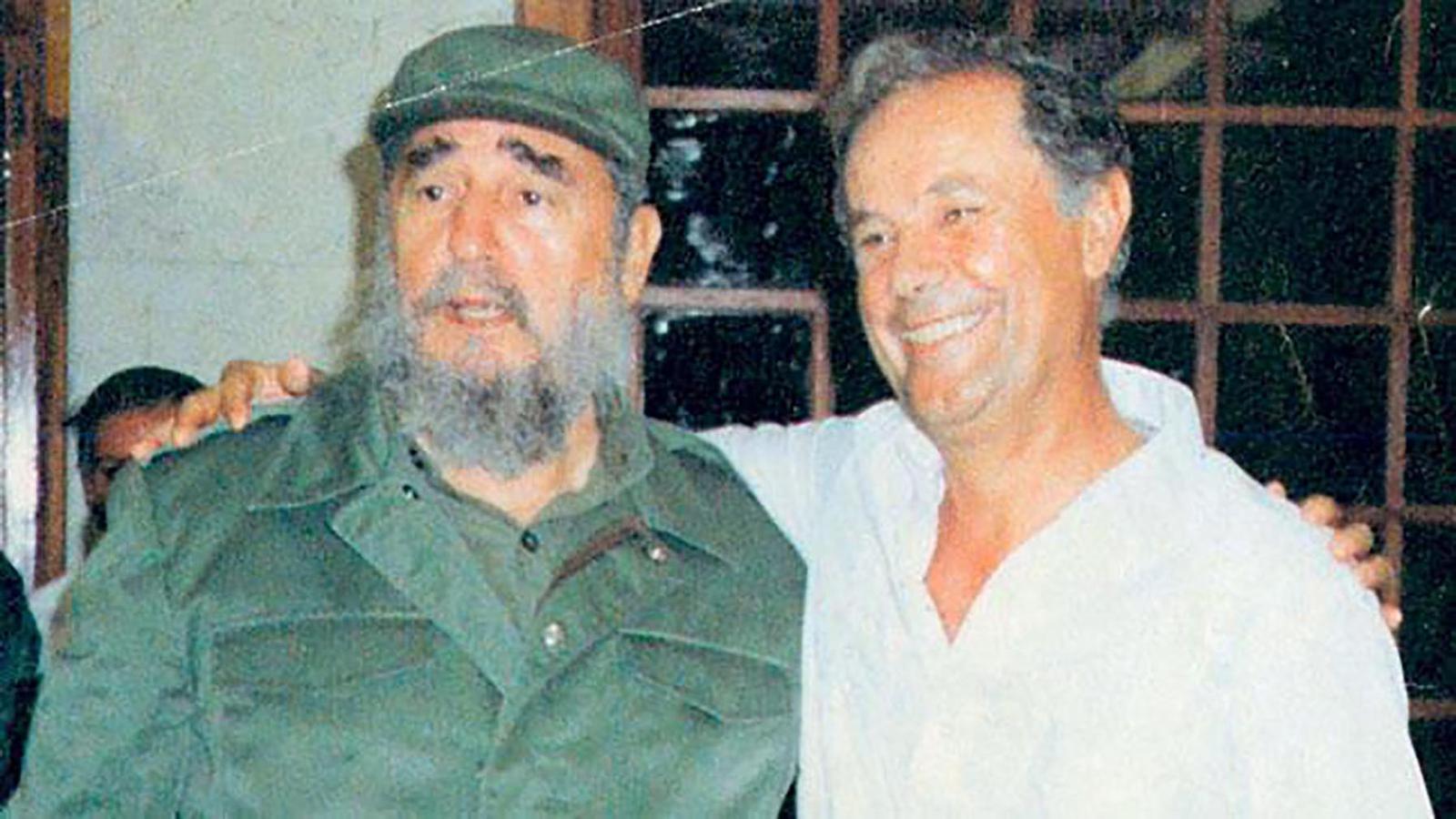
The turning point for the Mallorcan hotel company arrived on May 10, 1990, when the Sol Palmeras, Meliá's first hotel in Cuba, was inaugurated in Varadero. Fidel Castro and Gabriel Escarrer Julià, founder of the Mallorcan group, attended the ceremony, a gesture that symbolized the new era of collaboration between the Cuban regime and Spanish hotel companies.
This establishment not only opened the door to Meliá's presence on the island but also became the cornerstone of a model that would be consolidated over decades: state ownership of assets and international private management. The Sol Palmeras (Meliá's most emblematic hotel in Cuba) is, in fact, the first major stable case of this formula and the starting point of a relationship that would last for 36 years, until the turn announced in recent months.

Expansion on the Cuban tourist map
During the nineties and the 2000s, Melià consolidated itself as one of the main foreign hotel operators in Cuba, in parallel with the country's transformation into a Caribbean tourist destination. The chain expanded its presence in the main tourist development areas: Varadero, the northern keys such as Cayo Coco and Cayo Santa María, Holguín, and Havana, where the Mallorcan company also focused on urban establishments linked to cultural and business tourism.

Over the years, Cuba became one of the strategic markets for Gabriel Escarrer's business group. According to recent data, before the withdrawal announced this week, Melià managed 34 hotels on the island, representing approximately 14% of its global portfolio. In 2018, the company had more than 11,000 employees in Cuba, around a quarter of its global workforce, a figure that reflects the country's exceptional weight within the international structure.
A model linked to GAESA
The model that has underpinned this expansion is based on a collaborative structure in which foreign companies do not own the establishmentsThe 2026 turn and the progressive withdrawalThis scheme has placed a significant part of the hotel business under the orbit of entities linked to the Cuban military sector, an element that has been key in the hardening of US sanctions against foreign companies operating in the country. The restrictions have progressively conditioned international alliances and have added pressure to the continuity of this model.
The 2026 turnaround and progressive withdrawal
Melià's decision to leave the management of 15 hotels in Cuba is part of a broader process of reducing the presence of international chains on the island. In recent months, other operators such as Iberostar have also abandoned several establishments linked to Cuban state structures, while groups like Minor Hotels or Royalton have reduced or ceased their activity in the country. It should be noted that at the beginning of May this year, Melià had already begun to significantly reduce its operations on the island, with the progressive closure of up to 50% of its hotels, in a scenario marked by a drop in demand, operational difficulties, and a reduction in air connections.

The current movement represents, therefore, the most critical point in a 36-year relationship initiated with the Sol Palmeras in 1990. From that first hotel inaugurated with Fidel Castro and Gabriel Escarrer, Melià had been a central piece in the development of contemporary Cuban tourism. Its partial withdrawal in 2026 marks the most profound change in this historic alliance, at a time when the island's tourism sector faces a sustained drop in visitors and an increasingly restrictive geopolitical environment for foreign investment.a sustained drop in visitors and an increasingly restrictive geopolitical environment for foreign investment.
