Education urgently summons Miquel Roldán to a meeting at the Department
The meeting comes after a day in which 60% of the students at CEIP Son Pisà did not attend class in response to the teacher's incorporation.
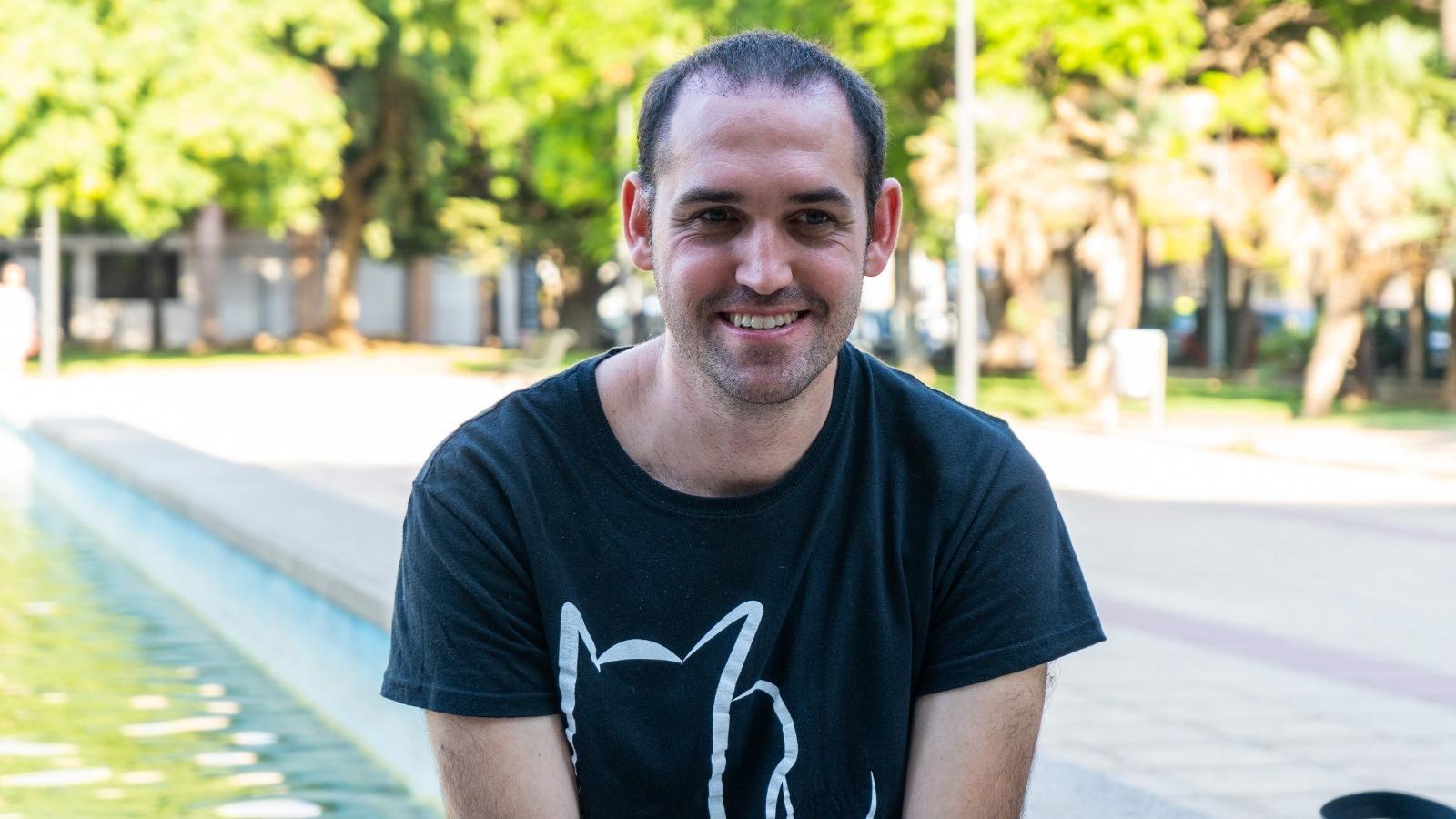

PalmaMiquel Roldán, accompanied by his lawyer, arrived this Thursday afternoon at the Ministry of Education, urgently summoned to discuss his incorporation into CEIP Son Pisà and the conflict that has arisen with the families, as ARA Balears has exclusively learned. The meeting took place after a particularly tense day at the center, in which approximately 60% of the students did not attend class as a sign of rejection of the presence of Roldán, convicted of child harassment. This situation has intensified the pressure on the educational administration, which is now forced to find an immediate solution to a crisis that has shaken the educational community and reopened a debate on the criteria for incorporating staff into schools. On Monday, the center's families will meet with the Director General of Early Childhood, Attention to Diversity and Educational Improvement, Neus Riera, to explain their demands, which include getting Roldán removed from teaching.

The case of Roldán originates from a one-year prison sentence for the crime of harassment of a minor former student, which the Court confirmed. Despite the conviction, the court did not order his disqualification from exercising teaching, as it understood that the facts were not directly linked to his professional activity. This judicial decision opened a debate about the legal and ethical limits of allowing individuals convicted of crimes related to minors to continue working in educational centers, which is still ongoing.
A turbulent school year
The conflict broke out at the start of the school year, when it became known that the teacher had been assigned to the CEIP of Son Sardina. Several families alerted that, in previous stages, he had starred in episodes they described as "very unpleasant", both inside and outside the school grounds, and assured that these events were known by both Educational Inspection and the Department. As they explained, at the time the affected families opted not to go to court in order to protect the minors involved and spare them the wear and tear of judicial proceedings. Likewise, they interpreted the teacher's desire to return to the CEIP Maria Antònia Salvà as a provocation, a perception that, according to them, was reinforced by certain social media posts, which increased the unease among the educational community.
The reaction was not long in coming. With his return, a climate of indignation and concern spread among families, who questioned his presence at the center. Progressively, the tension increased and translated into assemblies, statements, and various mobilizations. The most critical moment occurred when families decided to go on strike and stopped bringing their children to class for the first eleven days of the course. This protest significantly affected the functioning of the center and placed the case in the media and political spotlight. During those days, the teaching staff continued to attend a practically empty center, until the students returned coinciding with Roldán's medical leave, which has continued to the present day.
The case opened an intense debate within the educational community, especially given that a person convicted of child sexual abuse could practice teaching. Positions became polarized: while a majority demanded the immediate removal of the teacher, other sectors argued that the judicial ruling, which did not contemplate any disqualification from practicing, should be respected.
In this context, the Ministry of Education, together with the unions, addressed the issue within the framework of the parity table and gave the green light for a psychiatric evaluation to determine if the teacher was fit to work with minors. This initiative was interpreted as an exceptional measure given the social pressure and the complexity of the case. However, the test was not carried out, as the teacher took a medical leave at that time, which left the procedure in suspense.
Over time and with less media tension, the Ministry finally decided against this evaluation. This has left the situation without any specific review or additional measures, allowing the teacher to return to their usual activity within the ordinary administrative framework.
