“I can vote for the PP and find that a housing proposal from Broad Front is good”
Joan Mascaró will vote for the first time in the November 29th elections and defends a way of understanding politics without ideological pigeonholing

-
CAT -
CAST
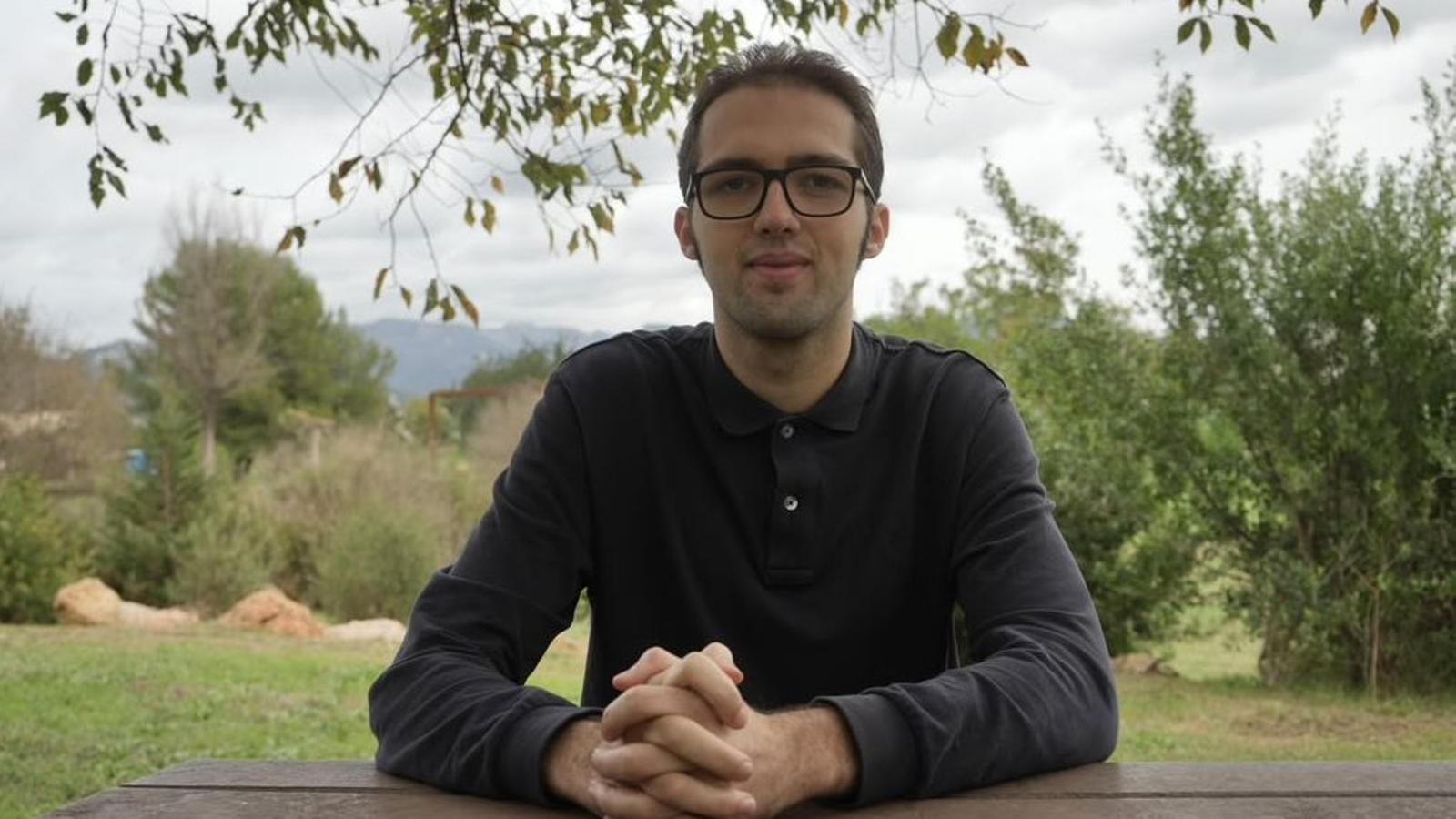
PalmaThe only reason why Joan Mascaró (Manacor, 2006) is not affiliated with the PP is because he has been putting it off. This is how blunt this young man, who will be voting for the first time, shows himself to be. "The PP is what I know best and it is what has my support," he explains. He does not hide that he shares a good part of the Popular Party's approaches, although that does not mean that he subscribes to everything they propose. "I do not swear loyalty to them for life," he warns.
His preference for the PP has a lot to do with economic policy. He considers that Spain has a significant problem with public debt, which already exceeds 100% of the GDP, and defends policies of tax relief and spending restraint. "The PP tries to reduce spending and taxes. It is a measure that allows for lowering the cost of living," he argues. In his view, the difference between left and right lies, mainly, in the degree of state intervention in the economy: "The right prioritizes individual freedom," while the left bets on greater intervention.

This does not prevent him/her from finding sound proposals from parties located on the other side of the political spectrum. This is the case with the Broad Front and its commitment to empowering emptied Spain, an initiative that caught his/her attention at a time when housing is one of his/her main concerns. Although he/she considers that the PP's proposal to liberalize land may help increase supply, he/she also believes that the population cannot continue to be concentrated in large cities. “The housing problem is that we all want to live in large cities and we cannot infinitely expand Madrid, Palma and Barcelona. It is necessary to promote less inhabited areas,” he/she argues. And he/she adds: “I can vote for the PP and find that a housing proposal from the Broad Front is good.”
Ceuta and housing
Regarding migration, he demands that the new government take action in Ceuta and criticizes the management of Pedro Sánchez's executive. He considers that Morocco uses immigration as an instrument of pressure and that a response to the situation is necessary. "The issue of Ceuta is very well-known, because if you say that something must be done there, you are immediately called a racist," he laments. He also agrees with Vox on the need to require a psychological report that confirms gender dysphoria in order to modify gender in the Civil Registry. "They do not want to go against trans people, but rather that those who are, are for real," he says.
He takes it for granted that the PP will have to reach an agreement with Vox, because he considers that they share approaches on issues such as immigration, with which the PP has moved closer to the extreme right. However, he draws a red line: “The PP will never let Vox destroy the autonomous communities, because it concentrates a lot of power there”.
Regarding young people, he distinguishes between those who have already decided on their party and those who, disenchanted by corruption, cast a null vote. He himself admits that the major parties have cases of corruption, but rejects demobilization: “I find it is better to vote than to cast a null or blank vote. I believe that inaction is useless”. He also warns about the influence of social media on political decisions: “Many watch four reels, and go to vote”.
