La Fúmiga will play their last concert in Mallorca: "We wanted everything to be a beautiful story until the end"
The group will bid farewell to the Mallorcan audience on May 29th in Felanitx, within the framework of Tribu Fest, in one of the last dates of their career

-
CAT -
CAST -
GER
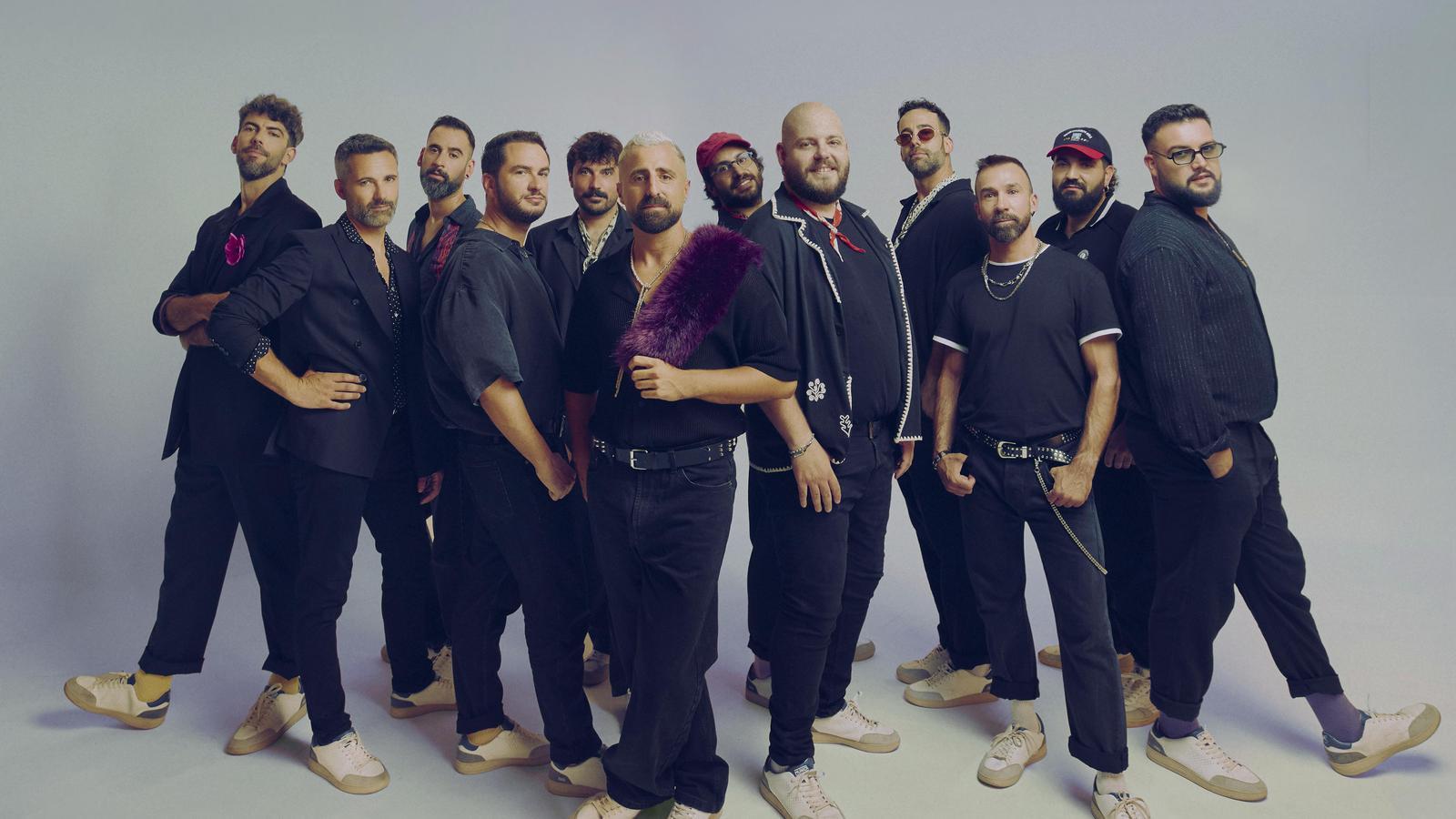
PalmLa Fúmiga will put an end to its career in October 2026 with its final concerts, on October 17 in Barcelona and October 24 in Valencia. In Mallorca, those from Alzira will say goodbye earlier, on May 29 as part of the Tribufest festival, in Felanitx. The band, born in Alzira in 2012, is retiring after more than a decade in which it has performed on hundreds of stages, filled dozens of venues, and garnered millions of streams on digital platforms. From its origins linked to the Societat Musical d’Alzira, La Fúmiga has brought the energy of charangas and bands to the stage, fused with urban and festive sounds. We speak with its vocalist, Artur Martínez.
¿On May 29 are you performing in Felanitx. Will it be your last concert in Mallorca?
— Yes, we needed to say goodbye to Mallorca. Since the first album, we have always come at least once. We would have liked to be there more often, but sometimes the context made it complicated. When the Tribu Fest of Felanitx appeared, it seemed like the perfect opportunity: it's a very beautiful proposal and we are very excited to be able to say goodbye and thank the public from here.
Why have you decided to end the project?
— It is a decision that has been a long time coming. Even though the group is in a very good moment, above all else we are friends, and that has weighed more than anything else. Years ago we decided to set a kind of expiration date to be able to return to our lives and avoid burnout. We wanted it all to be a beautiful story, without reaching physical or mental exhaustion.
Does it also have to do with the relationship you have with music as a job?
— Yes. It has always given us respect to make music our only job. We have juggled the band with other jobs for years. It has been hard, but it has given us a lot of freedom and peace of mind, because we knew we were making music because we wanted to, not out of necessity.
What feeling do you have after more than a decade on stage?
— We never would have imagined it. We just wanted to be a brass band, and everything that has come since has been a surprise. We've been improvising and, often, we haven't had time to process what was happening to us. This farewell tour is allowing us to experience it more calmly, and we are happy, excited, and also a little nostalgic.
Would you say that everyone is capable of recording an album or having a band?
— We are not particularly talented or the best musicians or songwriters. But we have connected with people through humility, constant work, and also a bit of luck. We came from the conservatory and street music, and we had never written a song when we started. That's why we believe so: if we have been able to do it, anyone who dedicates love, time, and perseverance can also try.
How have you planned this farewell?
— We made a kind of wish list with places important to us. We wanted to reduce concerts and spread them out better, so that each date makes sense. Mallorca had to be there, because we have always had a special connection.
Would you say your music has evolved since the beginning?
— Totally. When we started we had never written any song; we came from street music, from doing covers and arrangements. The process has been very natural and organic. We have been learning little by little and finding our style.
Your songs combine party and emotion. How do you work this balance?
— It is quite our vital balance. We come from popular culture, from plaza music, and that shows. But we also have experiences and stories that end up in the songs. We like reflections to arrive while people dance, because perhaps that way they connect more.
What influences have marked you?
— Above all the music made in the Valencian Community. Groups like Obrint Pas or Txarango have been very important to us. When someone tells us that we remind them of them, it is one of the best compliments they can give us.
Have you encountered any obstacles with government-dependent institutions?
— We have experienced a privileged situation because we have always had spaces to play, and if we haven't done it in one place, we've done it in another. I would say it hasn't affected us in terms of programming, but we have noticed it with other fellow musicians regarding many venues that have disappeared, which means bands have fewer opportunities, an act that leads to making many groups invisible.
What role does directness play in your identity as a group?
— It has absolute importance, because it is the reason why we make music. In fact, our creative process is always thinking about live performance. We make music to enjoy it live.
At what point would you say Catalan music is at? Is there a succession?
— On a creative level, yes, and more than enough. There are many proposals and the public can choose. The doubt is whether there will be a successor in programming: whether institutions and city councils will continue to bet on it. Depending on who governs, there may be problems.
What would you tell groups that are starting out and have doubts about singing in Spanish?
— Above all, it must be born out of absolute normality. In our case, it would have been impossible to do it in Castilian, because we communicate in Catalan. The important thing is to have a good time and also to work to make it possible, of course. In fact, we didn't even think about it because it all came about like this, we hadn't even planned to write lyrics, just to play like we had always done as a brass band. This has also made it more beautiful, because it all together has been like a gift and now, the fact of leaving it doesn't hurt so much, as if it's something you've always wanted.
