Health accumulates two years of sanctions in the kitchen of Can Arabí: "Every time we go there, we find problems"
Sources familiar with the file state that the deficiencies were known, that Education was informed, and that the situation has become one of the most serious cases managed by the department
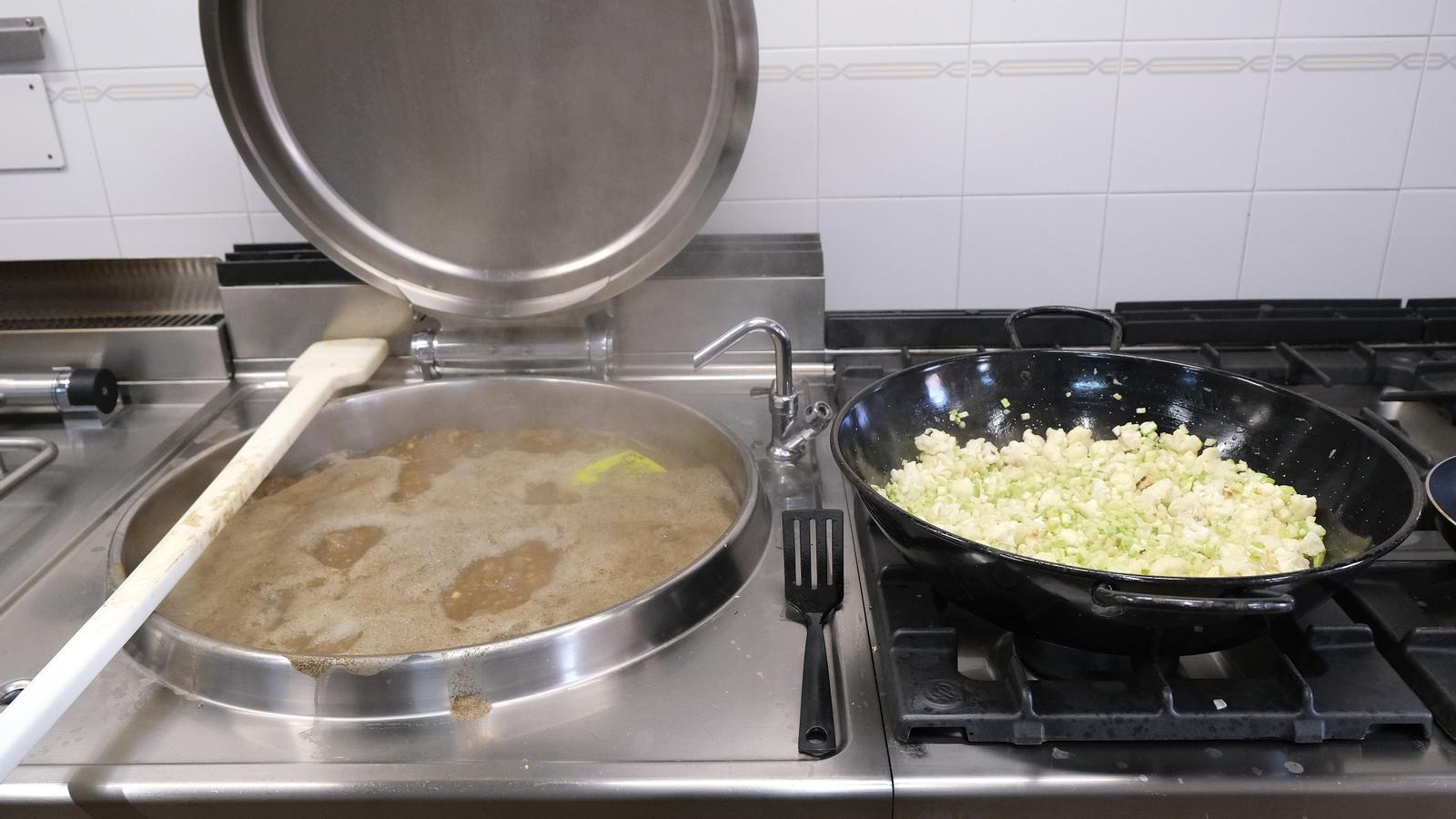

Palma"For two years now, practically every time we go there, we find problems."practically every time we go there, we find problemsThe decision made on Monday has caused a real race against time to guarantee the canteen service for 33 educational centers and redistribute nearly 2,000 school menus daily with only nine days left until the end of the school year. Officially, the Ministry of Health has justified the closure due to non-compliance detected in the preparation, handling, and transport of food. However, the consulted sources assure that the intervention is the culmination of years of inspections, warnings, and proceedings.

According to these sources, the situation was not unknown to the Administration. "The Department of Education was aware of the incidents," they assure. They argue that Health had reported for years the deficiencies detected during inspections, while Education continued to be the body responsible for the award of school canteens. "Problems related to Can Arabí had been communicated for some time," they add.
Reiteration of visits, well-founded suspicion
"The regulations oblige us to inspect establishments based on risk. When a place accumulates constant controls, it's not a good sign," they explain. "When we go to a company and verify that things are done correctly, we don't have to return constantly. On the other hand, at Can Arabí, incidents had been repeating for some time." According to the sources consulted, the volume of accumulated documentation is so significant that the file continues to be extraordinarily extensive. "It's tremendously voluminous," they emphasize.
The same sources maintain that the main problem was not a punctual non-compliance, but a structural issue. "They don't have the capacity to do all the work they do," they state. To explain it, they resort to a graphic comparison: "It's like having a Seat 600 and trying to transport 17 people in it. It's impossible for a situation like this not to generate problems." According to this analysis, the production volume assumed by the company would have ended up exceeding the real possibilities of the facilities and internal organization.
The deficiencies detected over the last few years affected various areas. The sources consulted talk about problems related to food hygiene, food transport, maintenance of regulatory temperature, and processing procedures. "Rather than talking about dirty spaces, we are talking about not adequately guaranteeing the prevention of cross-contamination, the introduction of elements susceptible to contaminating food within work areas, and not maintaining the necessary temperature," they explain.
They also point to shortcomings in staff training and general food safety management. "We are talking about basic issues such as temperature control, cleaning, process separation, correct use of utensils, and prevention of cross-contamination. These are problems that have been detected for some time," they point out.
In fact, the same sources are surprised that the company continued to accumulate public contracts despite its track record. Currently, Can Arabí manages 45 school canteens, more than any other company in the sector in the Balearic Islands. "We don't understand how it has been able to keep winning contracts when it was known to have accumulated breaches," says one of the people consulted. According to this version, this circumstance was especially relevant because the Health Department had repeatedly reported the incidents detected during inspections.
Complaints from schools and families
Complaints from educational centers would also have been constant during this period. According to the sources consulted, the complaints and communications came from both school administrations and family associations. "When we receive repeated complaints from the same institution, we go to check what is happening. Even more so when they come from public centers and are repeated over time," they indicate.
The final decision to provisionally suspend the activity was made after Monday's inspection. According to these sources, the inspectors attended with special attention due to the accumulated background. "There was already a certain distrust regarding what they were telling us," they explain. According to this version, the company had communicated that it had corrected certain previously detected deficiencies, but the inspection would have confirmed that the problems persisted.
"What they found was serious enough that they couldn't wait nine more days until the end of the school year," they assure. This is one of the keys that explain why Health opted for such an exceptional measure on the eve of the school holidays, despite the logistical difficulties involved in reorganizing thousands of menus in a matter of hours. In fact, the closure forced the Ministry of Education to activate an emergency plan to guarantee the dining service in 33 educational centers. Throughout Monday evening and Tuesday, nearly 2,000 menus had to be redistributed among various companies to prevent students from going without lunch during the final days of the school year.
Officially, the Ministry of Health defends that the precautionary suspension responds exclusively to non-compliance detected during the last inspection and recalls that, if in previous occasions the continuity of the activity had been allowed, it was because the detected deficiencies had been considered corrected. "If the establishment had been reopened, it was because the detected non-compliance had been remedied," point out official sources from the department. Now, however, the situation has taken a further step.
Sources familiar with the case consider that the accumulated background may hinder a possible reopening in the short term. "Sanctions are normally economic. When an activity is suspended, it is because a potential risk to public health is considered," they emphasize. And they conclude: "When a decision of this type is made, it is because the detected non-compliance is significant enough".
