Chocolates don't fail

-
CAT -
CAST -
DE
It has always been said that chocolates are a safe gift, that they never fail, that everyone likes them and that they are not very compromising. Except, of course, when inside the box there are not chocolates but banknotes. Then it is no longer a detail, it is a declaration of intentions. And quite vintage, by the way.
The 20,000 euros inside a box of chocolates that a businessman from Cala Millor sent to the Director General of Coasts is a scene typical of a script from another time. And yet, here we are. The year is 2026.

“There is no time that does not return”, my grandmother used to say. And I had always thought it was one of those set phrases used to talk about bell-bottom trousers. But it turns out they are also used for corruption with an old-fashioned air. Because one thing is that there are small corruptions –which it seems there always are, with more or less sophistication– and another is this farce-like staging, almost endearing if it weren't because it's a bit scary.
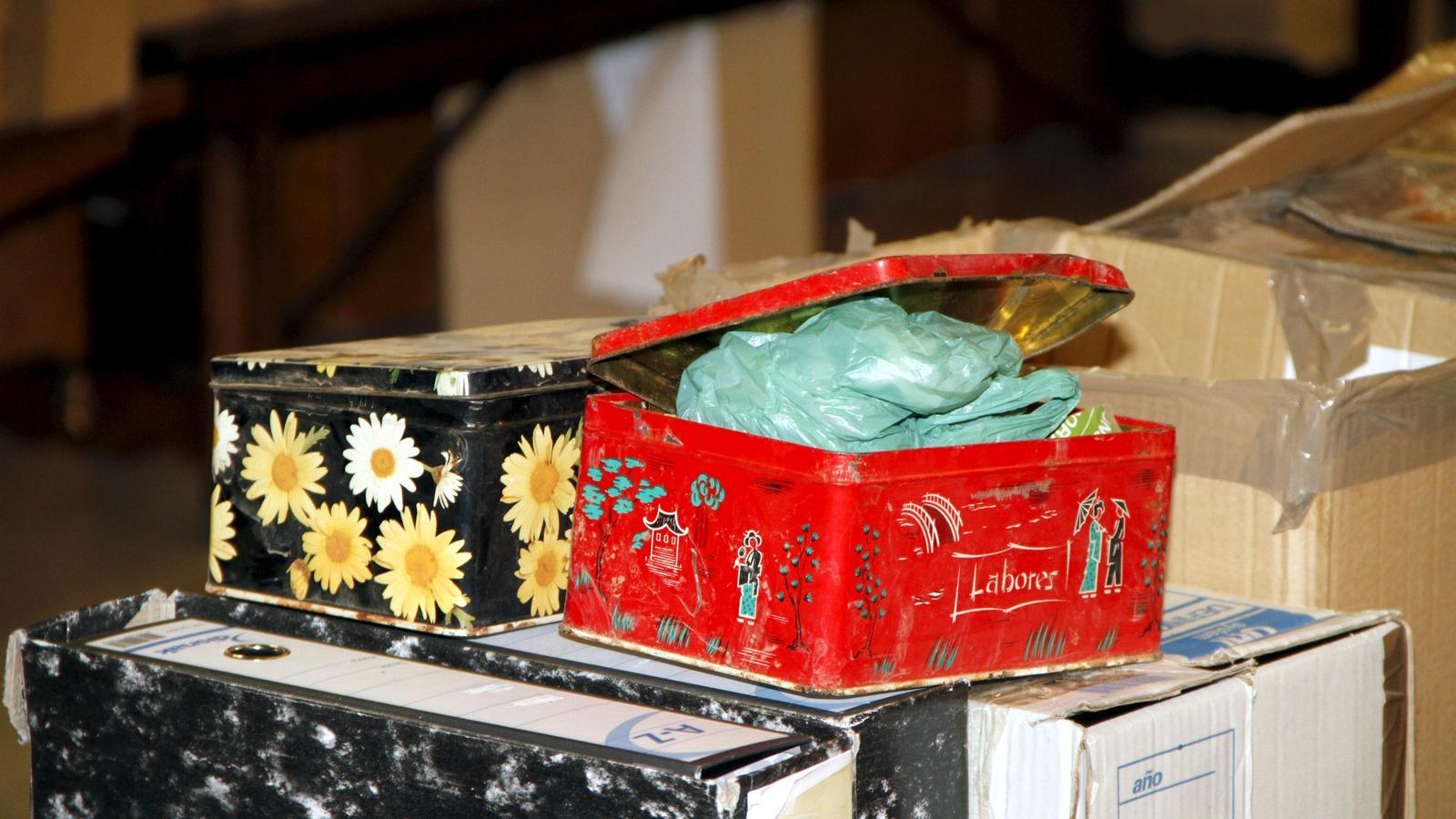
And I thought we would no longer see scenes like the one with hundreds of thousands of euros inside a can of Cola Cao that the manager of the Consortium for the Economic Development of the Balearic Islands had buried in the garden, as if it were pirate treasure. Or those sticky notes with figures written on them that a public official supposedly showed stuck to his hand so that businessmen would understand the price of each favor.
I thought we would no longer remember the providential phone call from that deputy who warned a mayor that he would be arrested and then assured that they had only commented that “it was Monday and he was in his office”. Such an anodyne phrase that many framed it in the first person. I thought we would almost forget the councilor who did not want to marry homosexuals, but who paid for orgies with men with the municipal card. Or the signature of the ‘em-palma-do’ duke made by the king's son-in-law. Or the sculptures that were said to be gifted to the city and had such inflated production costs that there was plenty to go around. Or the dinners organized by politicians for friends and acquaintances to which they said that endearing ‘eat up, eat up, the Government is paying’, an autochthonous version of the all-you-can-eat buffet, but with public money.
All of this is part of an imaginary world that we thought was overcome, like the fax or cassette tapes. We had come to believe that corruption, if it were to exist, would be more technological, more discreet, more 21st century. With shell companies, opaque transfers, and unpronounceable names. But no: there are still those who opt for the box of chocolates.
The box of chocolates, who would think of that? Well, whoever thinks that nothing has changed so much, that control mechanisms are more decorative than effective, that there will always be a corner to pull off a trick. Surely, whoever trusts in collective amnesia, in our ability to get indignant or laugh about it for a couple of days and then move on. Perhaps my grandmother was right. There is no time that does not return.
