The natural phenomenon does not discriminate; administrations must not do so

-
CAT -
CAST -
GER
The total solar eclipse on August 12 is an extraordinary phenomenon. So is the expectation it has generated. For over a year, astronomers, enthusiasts, and specialized media have been warning that the Balearic Islands, and more specifically Mallorca, would be one of the most coveted places in the world to observe it, if meteorological conditions allow.
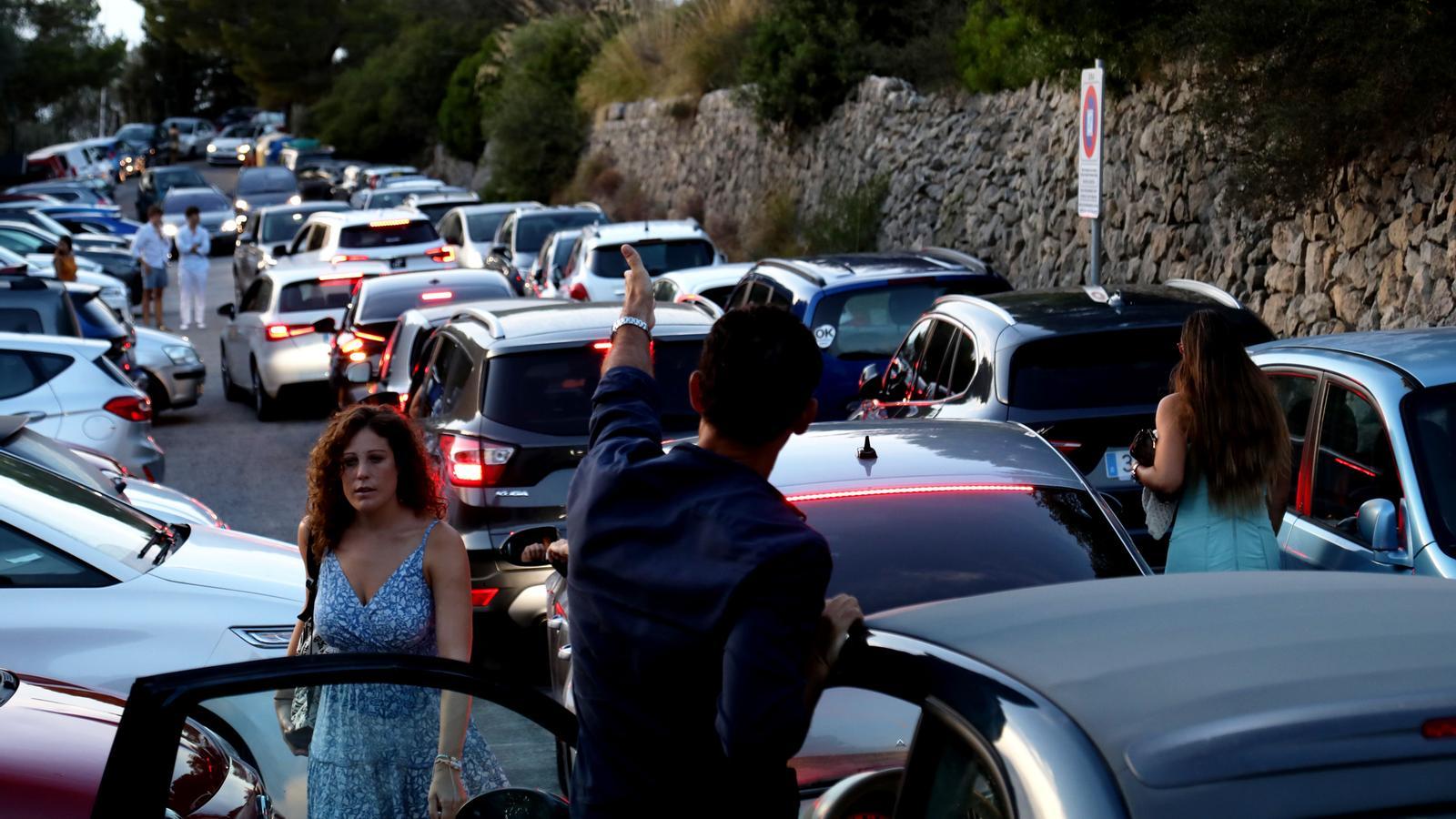
At the time of writing this editorial, everything indicates that thousands upon thousands of people will want to gather at privileged points on the coast to contemplate a spectacle that is expected to be unrepeatable. Given this prospect, access restrictions are not only understandable but essential. No one disputes that traffic collapse must be avoided, natural spaces protected, and that if an emergency occurs, action can be taken quickly. It is a matter of collective safety.
But restricting access is one thing, and deciding who can get there and who cannot is another. The planned system allows entry to those who have a house with a sea view or a reservation in certain hotels or restaurants, while excluding many residents who would like to observe a natural phenomenon from one of the best spots on their own island. It is difficult not to see inequality here. The sun will set the same for everyone. The eclipse will not distinguish between owners, visitors, hotel guests, or island residents. Neither should the administrations. When exceptions almost always coincide with those who can afford them, the message conveyed is that some citizens have more right than others to enjoy a good that belongs to all.
The situation was also entirely predictable. While accommodations and restaurants in the most sought-after areas saw their reservations fill up months or a year in advance and prices reached unprecedented figures, the Government had the same amount of time to prepare an orderly and more equitable system. Public reservation systems, park-and-ride facilities, shuttle buses, or other formulas that would distribute access opportunities transparently could have been implemented.
The institutional response has been late and reinforces the perception, increasingly widespread in the Islands, that space, landscape, and even the most exceptional experiences are more accessible to those with more resources than to residents. And this is happening at a time of maximum social tension, following mobilizations against over-tourism and against a model that many consider designed to satisfy visitors rather than inhabitants.
Restrictions are necessary. Discrimination is not. When a natural phenomenon is universal, administrations must ensure that access to observing it also responds, as much as possible, to the principles of equality, foresight, and general interest.
