Guide to the mushrooms of Mallorca: which are the most typical and where to find them
From the chanterelle to the king oyster mushroom, a guide to seven species of mushrooms on the island, their habitats and the areas where their presence has been documented
-
CAT -
CAST -
DE
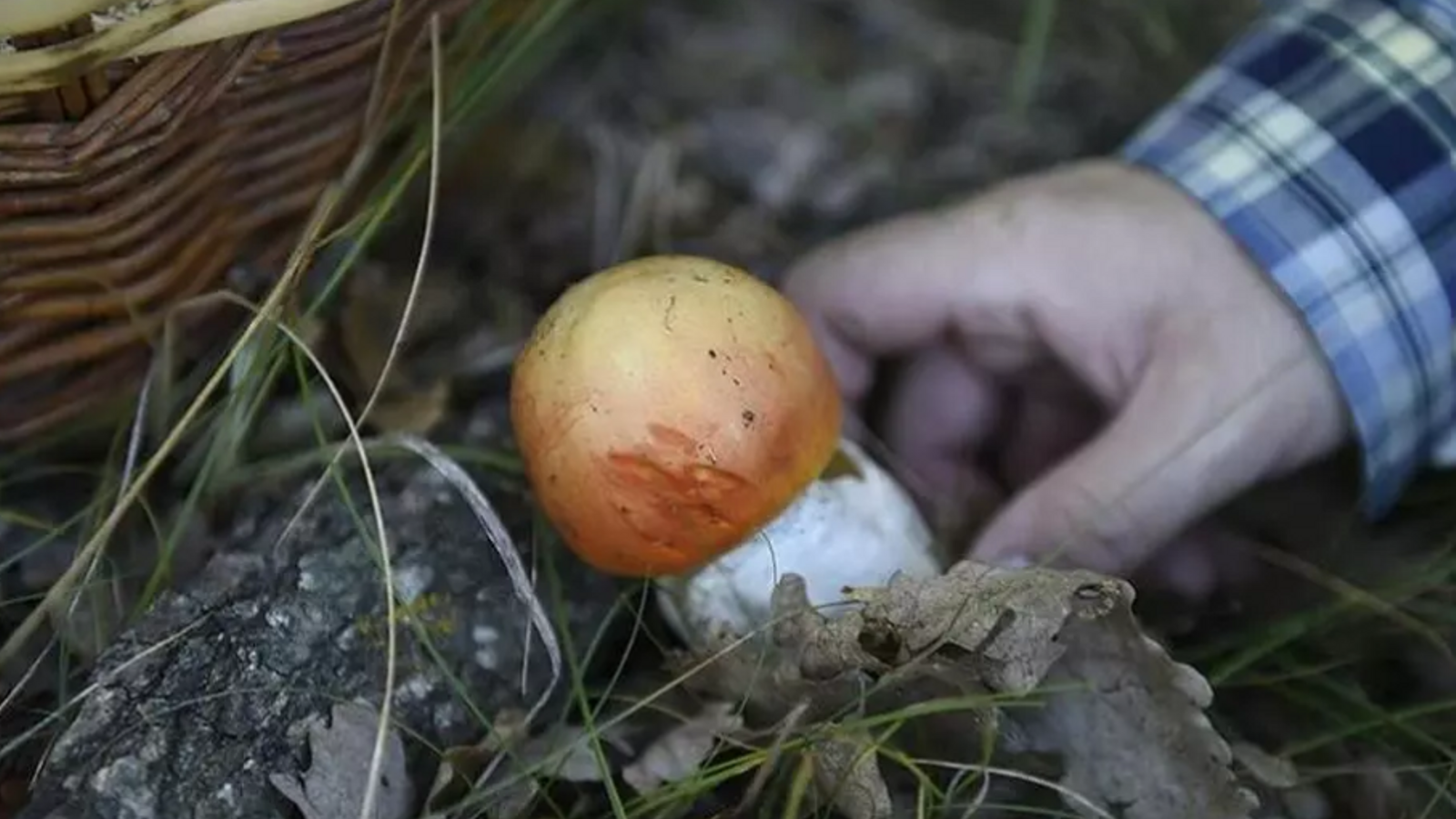
PalmaAutumn is mushroom season and Mallorca hides a variety of species that go far beyond the well-known saffron milk cap. From the holm oak forests of the Serra de Tramuntana to the pine forests of Llevant and the fields of Migjorn, the island offers different habitats where some of the most appreciated mushrooms in Mallorcan gastronomy can grow.
The guide is based on a publication from the Instagram account Cap de fava amb orelles, which collects seven species of mushrooms present in Mallorca and identifies their habitats and the areas where their presence has been documented. The maps distinguish between municipalities with historical records and those that present a favorable indicative habitat. Therefore, they do not point out exact spots where to look for them, but rather offer an approximation of their distribution across the island.

Saffron milk cap (Lactarius sanguifluus)
It is probably the most iconic mushroom in Mallorca and one of the most appreciated in island gastronomy. It grows mainly in pine forests, especially those of Aleppo pine. Its most well-known characteristic is the reddish liquid it releases when it is cut or broken, resembling blood, from which its name comes. The usual season is autumn, especially the months of October and November, although its appearance depends on the rains and meteorological conditions.

Chanterelle (Cantharellus alborufescens)
It is another of the mushrooms appreciated in Mallorcan gastronomy. According to the publication, it can be found in the holm oak forests of the Serra de Tramuntana and the Raiguer. It is a species associated with holm oak forests, which constitute its main habitat on the island.

Bronze bolete (Boletus aereus)
Also known as the black cep, it is a species linked to holm oak forests. The map locates its main habitat in the Serra de Tramuntana, where forest conditions favor its growth. It is a highly appreciated mushroom gastronomically.

Wood blewit (Lepista nuda)
It presents a wider distribution than other species in the collection. It can grow in holm oak forests, pine forests, and mixed forests, so its habitat is not restricted to a single type of forest. It is one of the species that appear in different areas of the map of Mallorca.

Olive russula (Russula olivacea)
It is mainly related to the holm oak forests of the Serra de Tramuntana. The publication documents its presence mainly in municipalities in the north of the island, while other areas are considered indicative habitats.

Giant knight (Hygrophorus latitabundus)
It grows in the pine forests of the Serra de Tramuntana and Llevant. The map differentiates the areas with documented presence from the municipalities where the characteristics of the forest may be favorable for finding it.

King trumpet mushroom (Pleurotus eryngii)
Unlike the rest of the mushrooms in the collection, it does not grow in forests, but in open spaces. Its habitat is fields with eryngium campestre and the dunes where the sea holly grows. For this reason, its distribution in Mallorca is more related to agricultural landscapes and dune areas, especially in the south of the island.

