Salvem Portopí collects signatures to stop industrial uses in the surroundings of the Castle of Sant Carles
RCA, GOB, Palma XXI and Fridays for Future demand to convert the surroundings of the castle, the Signal tower and the historic port into a large heritage and environmental park
-
CAT -
CAST -
GER
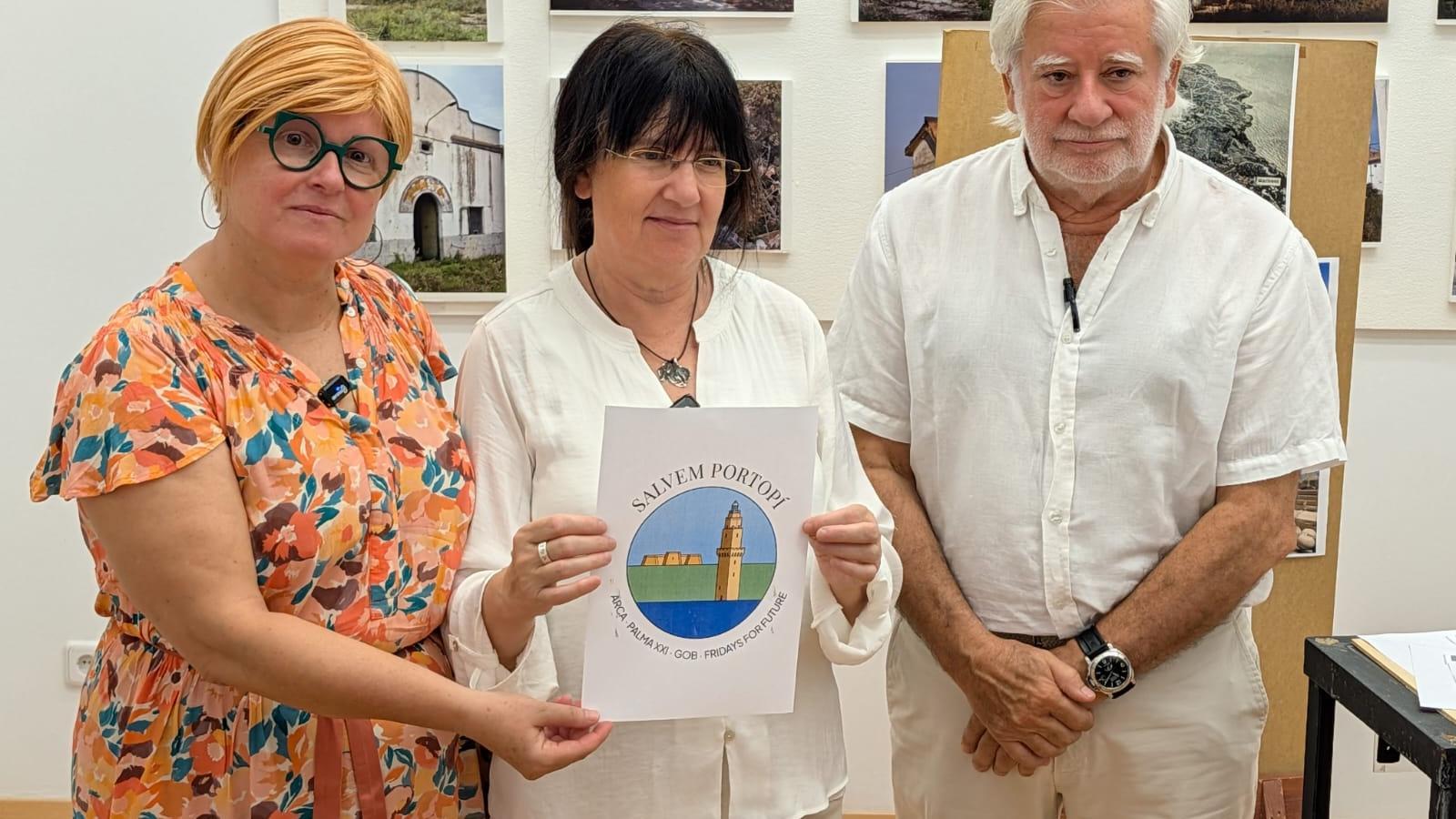
PalmaThe Salvem Portopí campaign has started a signature collection to try to gain citizen support against the industrial uses that the Balearic Islands Port Authority plans to concentrate around the Castell de Sant Carles. ARCA, GOB, Palma XXI, and Fridays for Future are demanding that this strip of the port be destined, instead, for a cultural, heritage, and environmental park that integrates the historic port of Portopí, the Signal tower, and the castle.
The proposal clashes directly with part of the reorganization promoted by the Balearic Islands Port Authority (APB), which plans to concentrate new uses linked to nautical repair and waste treatment in the area of Sant Carles. The APB's 2026 business plan expressly includes the development of conditions to build and operate a new shipyard for the repair and maintenance of vessels on the Sant Carles waterfront, as well as the processing of a concession to improve the management of MARPOL waste at the port of Palma.
The same master plan of the port of Palma places the new Sant Carles shipyard within the calendar of transformations planned for the coming years, along with other actions such as the relocation of Astilleros de Mallorca, the Maritime Museum, the new sailing school, and the reorganization of the ferry terminals. It is precisely this concentration of industrial activity that the organizations want to avoid.
The vice-president of GOB Mallorca, Tonina Siquier, argues that Portopí "is an opportunity to recover public space and reconnect Palma with the sea, instead of consolidating more industrial activity there," she said this Monday. The Salvem Portopí proposal suggests joining the existing green zones around the historic port and the castle of Sant Carles, opening the environment to the public, and creating a friendlier connection with Cala Major and Sant Agustí.
In a later phase, the campaign even proposes incorporating nearby pine forest spaces and extending this green corridor to Marivent and the Pilar i Joan Miró Foundation. For GOB, therefore, the debate is not just about heritage, but about what use one of the last great spaces of Palma's waterfront should have.
A conflict that began with the waste plant
The controversy had already ignited at the end of 2025 when plans were made known to install a new liquid waste treatment infrastructure in the Sant Carles area. The project included reservoirs of up to 25,000 cubic meters and tanker truck traffic with flammable materials, according to the complaint filed at the time by MÉS per Mallorca. The party warned that the facility would be located very close to the castle of Sant Carles and the Signal tower, both of which are protected elements.
ARCA later increased the pressure against the project and last March formally demanded that the APB not award the concession. The vice president of the entity, Àngels Fermoselle, described that location as a “monumental error” and warned that the plant could directly affect one of the most important heritage sites in the port. The ARCA spokesperson insisted this Monday that "the debate cannot be reduced to finding a place for new industrial uses. Portopí concentrates three top-tier pieces: the historic port of Palma, documented since the beginning of the 12th century; the Signal tower, one of the oldest operating lighthouses in the world, and the castle of Sant Carles, with its advanced battery".
The campaign argues that these elements should be read, according to ARCA, as a unique heritage ensemble and not as isolated pieces surrounded by industrial activity.
The APB defends its project
The Port Authority, however, has so far rejected the main objections of the entities. After a meeting with ARCA at the end of March, the APB assured that the transformation of the port responds to criteria of “technical rigor” and “general interest” and considered that some of the alternatives proposed by the entity were not viable. It also defended that the future MARPOL plant would be located very close to the treatment facilities that already exist today and recalled that the management of this waste is a mandatory service for ports.
The Board of Directors of the APB gave the green light to the plant project last March. The organization considers it an improvement over the current facilities and a necessary piece to make the port safer and more efficient. It is here that Salvem Portopí proposes a radically different alternative.
The entities propose moving a large part of the nautical repair activities to the Old Pier (moll Vell) and avoiding both the new shipyard and the expansion of industrial uses next to Sant Carles. They also reject filling a part of the dock with earth, stones, and other materials to gain new surface area.
A park at the end of the Passeig Marítim
The campaign argues that the recovery of Portopí would fit better with the port-city concept that the APB itself claims. The argument is geographical: the renovated Maritime Promenade practically ends in this area. Converting it into a park would allow for extending the city route to Sant Carles, recovering visual contact with the sea, and better connecting the center with the western neighborhoods.
It is not, however, a global opposition to the port's reorganization. Salvem Portopí supports keeping shipping companies in their current locations, placing nautical repair companies at the Moll Vell, recovering the Riba promenade, locating the sailing school and nautical school there, and installing the Maritime Museum at the Mollet counter-pier. The disagreement is concentrated on what should happen between the Signals tower and Sant Carles.
The campaign had already been formally presented in March, when ARCA, GOB, Palma XXI, and Fridays for Future formed a common front against the planned transformation in this part of the port. Since then, they have held meetings with political, business, military, and neighborhood leaders.
Now they want to turn these conversations into public support, and for this reason, the entities have initiated a signature collection, are preparing endorsements from well-known people in Balearic society, and have a pending meeting with the President of the Government, Marga Prohens.
The request to the APB is still to rectify the project. They do not question that the port of Palma must be transformed; they question that Portopí must pay for this transformation by becoming a new industrial zone. For Salvem Portopí, the alternative is precisely the opposite: that the historic port, the castle, and the Signals tower stop being three pieces surrounded by port facilities and instead form a single large heritage space open to Palma.
