The ghost of the Don Pedro returns to Ibiza: the shipwreck that stained the island's beaches with fuel
The sinking of a ship loaded with diesel 25 miles from Ibiza revives the accident of July 2007, when a merchant ship caused a spill that affected five kilometers of coastline and forced the closure of several beaches

-
CAT -
DE
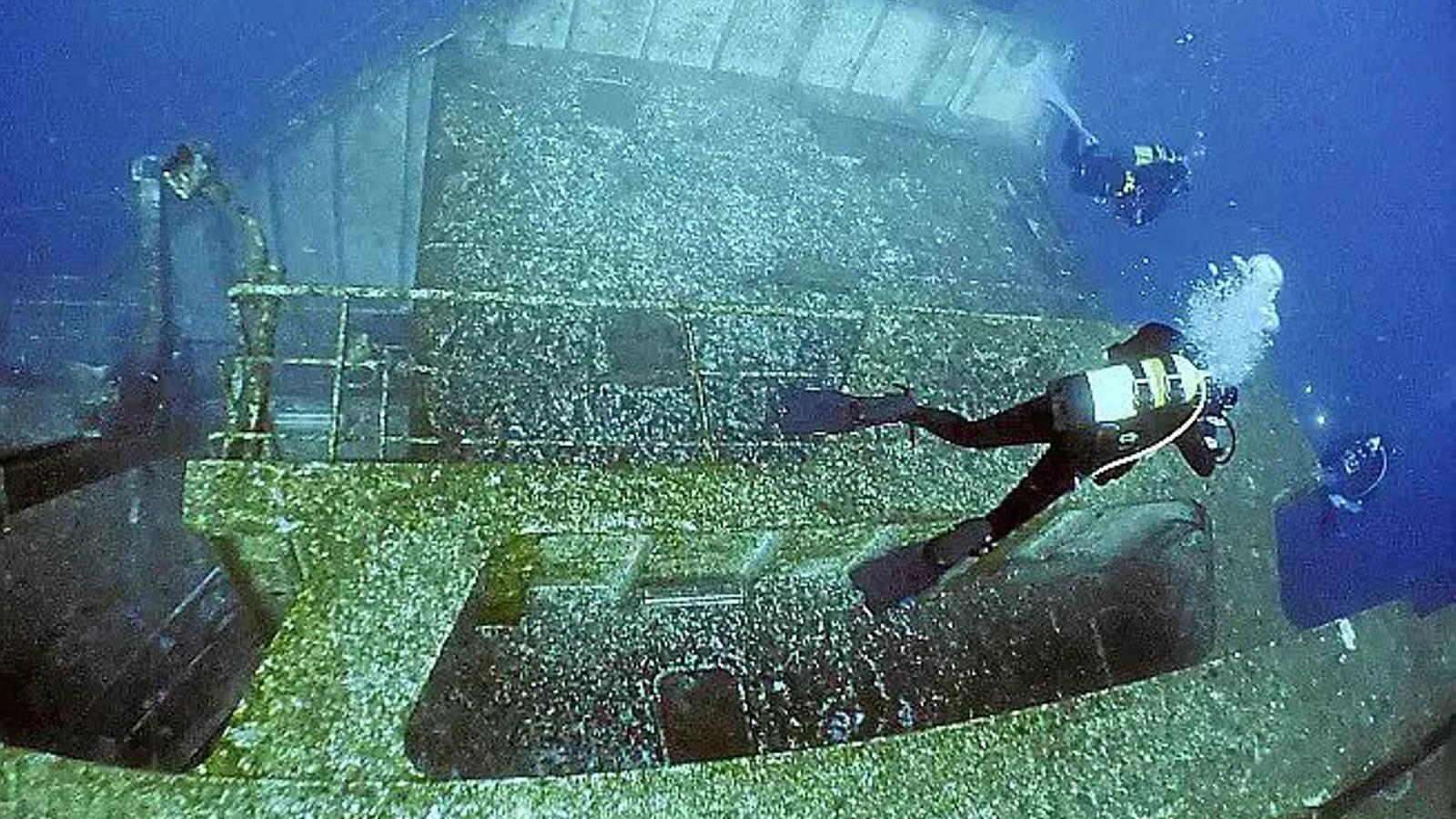
PalmaThe ghost of the Don Pedro returns to the memory of the islanders. The sinking this morning of a ship that was transporting about 7,000 tons of diesel, 25 miles northeast of Ibiza, has revived one of the most remembered marine pollution episodes of the Pityusic Islands. Nineteen years ago, on July 11, 2007, the merchant vessel Don Pedro shipwrecked a short distance from the port of Ibiza and spilled fuel into the sea. The oil slick reached the coast and forced the closure of beaches in the middle of the tourist season. That accident put the administrations on alert and maintained a large cleaning and anti-pollution operation for weeks.

The memory returns now with the sinking of the Med Emre, a Maltese-flagged ship that was sailing from Algeciras to Barcelona. The accident has caused the death of one of the 17 crew members and has forced the Directorate General of the Merchant Navy to activate level 2 of the state plan against maritime pollution. The Balearic Government has also activated the PLATERBAL at level 0. At the first hour of this Thursday, the extent of a possible spill had not yet been confirmed, but the amount of fuel the ship was carrying has set environmental response mechanisms in motion.
A morning in July 2007
It was just past four o'clock in the morning on July 11, 2007, when the Don Pedro, a merchant ship from the shipping company Iscomar, collided with the Dau Gros islet, in the Daus area, in front of the mouth of the port of Ibiza. The ship had just left the island and was heading towards Valencia.
The impact opened a breach that ended up causing the sinking of the vessel. According to the report that the Spanish government presented to the Council of Ministers, the Don Pedro sank at 4:05 a.m., 1.4 miles southeast of the port of Ibiza. Twenty minutes later, a Maritime Rescue vessel had already rescued the twenty people who were on board. All of them emerged from the accident alive.
The ship was carrying 150 tons of fuel oil and 50 tons of diesel in its tanks. The shipwreck caused hydrocarbon leaks and, within a few hours, the pollution slick began to spread across the sea, pushed by the currents and the wind.
The spill reached the beaches
Unlike other maritime emergencies in which the risk of contamination does not materialize, the Don Pedro did cause a spill. The effects became visible on the coast of Ibiza, where remains of fuel and other hydrocarbons appeared.
According to the official documentation of the Ministry of the Environment, the contamination affected approximately five kilometers of the island's coastline. The authorities ordered the total or partial closure of several beaches, including Talamanca, ses Figueretes, and Platja d'en Bossa.
The image of anti-pollution barriers, fuel remnants, and cleaning equipment on the beaches marked those days in July. The spill occurred in the middle of the tourist season, right next to some of the most frequented swimming areas of the island and near the protected environment of the ses Salines natural park.
The operation began on the same day as the accident. Cleaning vessels, diving teams, surveillance aircraft, and specialized personnel were mobilized to contain the slicks and prevent fuel from continuing to reach the coast.
The initial actions made it possible to recover part of the hydrocarbons that had leaked from the ship and to plug various escape routes. On July 20, nine days after the shipwreck, the Spanish government announced that the situation at the beaches had returned to normal, although surveillance tasks and the extraction of the fuel that still remained inside the hull were maintained.
What amount of fuel was spilled?
The Don Pedro was carrying about 200 tonnes of fuel, including fuel oil and diesel, but this figure corresponds to the content of the tanks, not to the quantity that was actually spilled into the sea.
Official data confirm the pollution and the significant collection efforts, although the documentation consulted does not establish a single, definitive quantity of spilled fuel.
The 2007 Balearic environmental report notes that, during the extraordinary cleanup operations that July in Ibiza, 211,597 kilograms of materials were removed. This figure includes not only fuel but also solid waste and absorbent barriers used during the emergency. Therefore, it cannot be presented as if it were more than 200 tonnes of fuel oil dumped into the sea.
Intensive cleaning work continued until July 26, and a surveillance service was subsequently maintained. The work to remove contaminating products from the sunken ship continued well beyond the first few weeks.
The same salvage ship, nineteen years later
There is a particularly significant coincidence between the two shipwrecks. The Clara Campoamor, the vessel specialized in the fight against pollution that Maritime Rescue has mobilized this Thursday following the sinking of the Med Emre, also played a prominent role in the Don Pedro emergency.
In July 2007, the Clara Campoamor positioned itself over the shipwreck area in less than three hours and began to recover fuel to prevent the slick from spreading. The operation also deployed thousands of meters of absorbent barriers to protect the coast.
Nineteen years later, the same vessel is being mobilized again in the face of a maritime emergency in the waters of the Pityusic Islands.
The main difference, for now, is the distance from the coast and the information available regarding the pollution. The Don Pedro sank just over a mile from the port of Ibiza and caused a spill that reached the beaches. The Med Emre, on the other hand, has sunk about 25 miles from the island, with a diesel cargo much larger than the amount of fuel the merchant ship was carrying in 2007.
The activation of the state plan does not mean, in itself, that a leak of the same magnitude has occurred or that the pollution has reached the coastline. This is precisely one of the points that the surveillance teams and Maritime Rescue will have to determine over the coming hours.
But the sinking has inevitably brought back the memory of that summer of 2007, when a fuel slick disrupted life on the beaches of Ibiza for days and reminded us of the vulnerability of a coastline that coexists with intense maritime traffic. The Don Pedro left a lesson that is now relevant again: when a ship loaded with fuel sinks, the speed of the response can be decisive in preventing a maritime emergency from also becoming an environmental crisis.
