"We wanted to give a family to a child who didn't have one": four mothers explain their path towards adoption
Four mothers from Formentera share their adoption experiences, a path marked by waiting, bureaucracy and the emotion of building a family, also from the reality of an island
-
CAT -
CAST -
DE
FormenteraAdoption is much more than a legal procedure: it is a vital journey that builds families from generosity and the deep desire to parent. But experiencing this process from an island environment like Formentera adds specific layers, from the travel required to manage paperwork to the reality of raising a child in a small community where, not so many years ago, every new child sparked curious looks and questions.
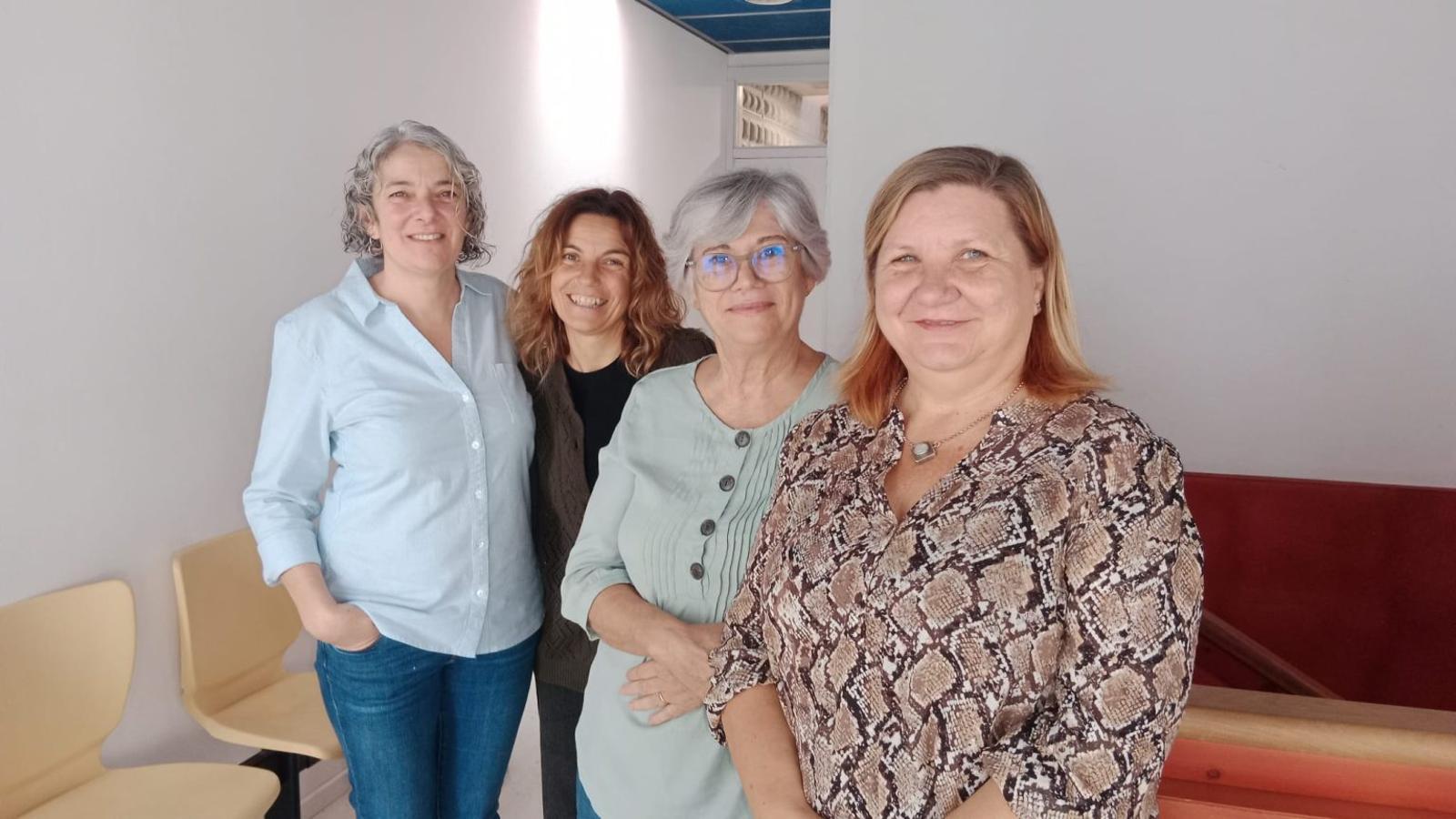
On the occasion of International Adoption Day, we speak with four mothers from the island who have traveled this path: Neus Costa, Cristina Costa, Sara Miguel, and Judith Sala.
The first impulse: a decision of love and social justice
Although some of the families arrived at adoption after unsuccessfully trying the biological route or undergoing in vitro fertilization processes, others were clear about it from a very young age. "Ever since I was little, at 14 or 15 years old, I would see children who didn't have parents, and I always said I wanted to adopt," recalls Cristina Costa. A vision shared by Neus Costa: "We decided that the medical path didn't appeal to us and we were much more excited about adopting; we wanted to provide a family to a child who didn't have one."
For Sara Miguel, adoption was intuited almost as an act of social justice combined with their couple's project: "It was like a way to help, to provide a better life." And for Judith Sala, who turned to state adoption seven years ago, the path was a natural way to form the longed-for family.
The labyrinth of bureaucracy and the weight of the wait
Everyone agrees that the phase of processing and obtaining the relevant documentation is a demanding process. Medical reports, social workers, sworn translations, and papers stamped by embassies and ministries in Madrid are all part of an administrative obstacle course that can be exhausting.
With experiences ranging from international adoption in China or Russia to the more recent state processes, mothers recall the uncertainty of waiting periods that put their emotional strength to the test. However, they all emphasize that the checks and psychological interviews, however cumbersome they may seem, make perfect sense to ensure the well-being of the children.
The moment of the encounter and talking about origins
One of the most moving moments comes when remembering the first time they saw their children. "The first week I couldn't sleep at night; I would just look at her and think it was impossible that they had given me that child," confesses Neus.
In Formentera, where years ago the arrival of an adopted child was not common and clashed with the surprise of some neighbors, today the social reality has evolved towards greater integration and respect for family diversity. "My son has always experienced it with impressive naturalness," points out Sara Miguel, highlighting that knowing where one comes from is part of any person's identity.
