Not before, not now, not ever: the Trenc is NOT touched
-
CAT -
CAST -
GER
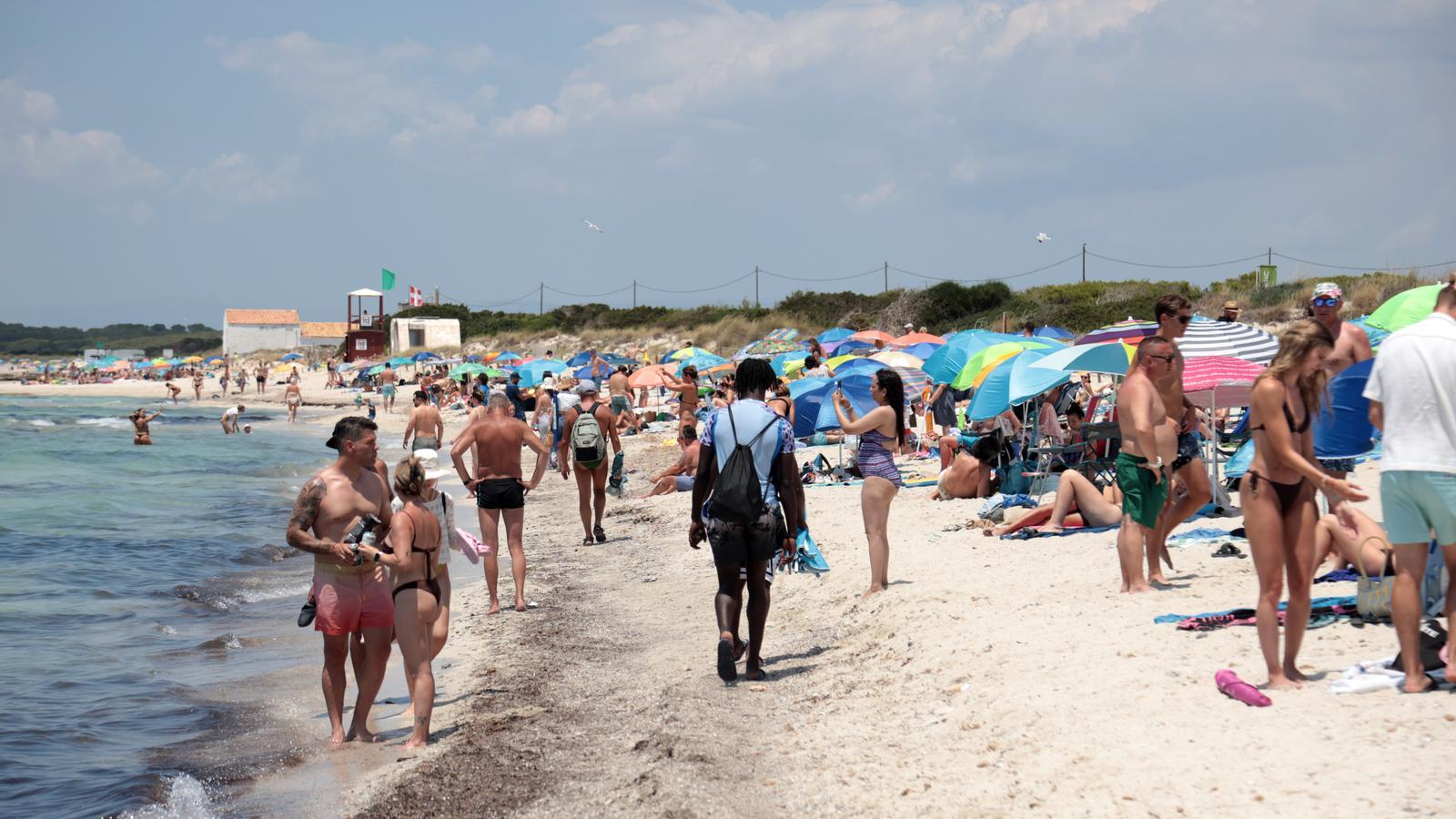
There are places that are more than a natural space, they are symbols, because their conservation represents a way of understanding the country and the landscape. El Trenc is one of these places. For decades, society has mobilized to defend this space against urban, speculative and economic threats.Today, this defense is once again necessary. The modifications introduced with the Omnibus Law are not simple technical adjustments. They do not imply an immediate reduction in the protection of Trenc or the rest of the natural parks of the Islands. The problem is not today, but what these reforms make possible tomorrow. Until now, the main guarantees of the park were included in Law 2/2017. Any substantial modification required political debate, transparency, and a parliamentary majority. With the reform promoted by the PP, modifications are simpler.The protection of natural spaces does not depend on a single norm. It is the result of a legal architecture built over decades, made up of laws, territorial guidelines, management plans, and public participation mechanisms. Wanting to modify this framework reveals a strategy aimed at weakening the guarantees that sustain protected natural spaces.First, limitations previously enshrined in law are eliminated or relaxed. In the case of Trenc, certain protections will no longer depend on Parliament and can be modified by decree of the Governing Council. The change is profound. What previously required parliamentary debate and democratic control now disappears. Current regulations limit tourist, commercial, and recreational activities, set authorized uses, and establish essential prohibitions to preserve the natural values of this area. Now, with the reform, everything can be reviewed more easily.The central piece of this operation is the Land Use Plans for Natural Resources (PORN), which are the main barrier against the intensification of urban and tourism uses within protected areas. In the case of El Trenc, it prevents, among other things, the increase of tourist spots. If the legal limitations that define them are now lowered, future PORNs may be more permissive.But the strategy does not end here. The future agrarian law foresees the modification of the Territorial Planning Directives (DOT), one of the main guarantees for the protection of rural land in the Balearic Islands. Now, the aim is to reduce these limitations and facilitate complementary activities linked to the tourism and recreational business. This combination will weaken the legal guarantees of natural parks and lower the limitations imposed by the DOT. The result is a progressive reconfiguration of the environmental protection system built over the last decades.This decriminalization facilitates future modifications of tourist, recreational, and commercial uses within the park and opens the door to reviewing the qualification of a Natural Area of High Protection Level. The urbanistic projects that for decades had put Es Trenc in the spotlight still exist and from now on will be possible.Therefore, it is surprising that we are accused of alarmism. The fundamental difference between the ecological view and the short-term political view is found here. President Marga Prohens and counselor Joan Simonet maintain that there is no intention to deprotect El Trenc, because today there is no formal proposal to modify its protection. It is an electoral view. On the other hand, natural spaces require a much longer-term view. Major territorial transformations are prepared over years through small regulatory modifications that eliminate limitations, reduce controls, and facilitate changes. We must be very clear that, like democracy, the protection of natural spaces is not an irreversible conquest, and that we must fight continuously, because those who would want to reverse the situation continue to pressure. And in the case of El Trenc, Prohens has the pressures very close.The same is repeated with the future Balearic Coastal Law which proposes a simplification of procedures and uses. Therefore, the defense of El Trenc goes far beyond a specific natural park. The Omnibus Law, the future agrarian law, the reform of the DOTs and the new Coastal Law are part of the same intention of deprotection of the territory. In isolation, they may seem like simple modifications, but, together, they outline a clear territorial model: fewer limitations, fewer guarantees, and more ease for private economic interests.The defense of Trenc is the defense of all protected natural spaces in Mallorca. Thousands of Mallorcans already understood this decades ago. Citizen mobilization was decisive then and will be again now. Because Trenc is not just a beach. It is memory. It is collective heritage. It is one of Mallorca's great environmental victories and, precisely because of this, it is still the subject of dispute.
