The many reasons why we cannot save grandparents' houses
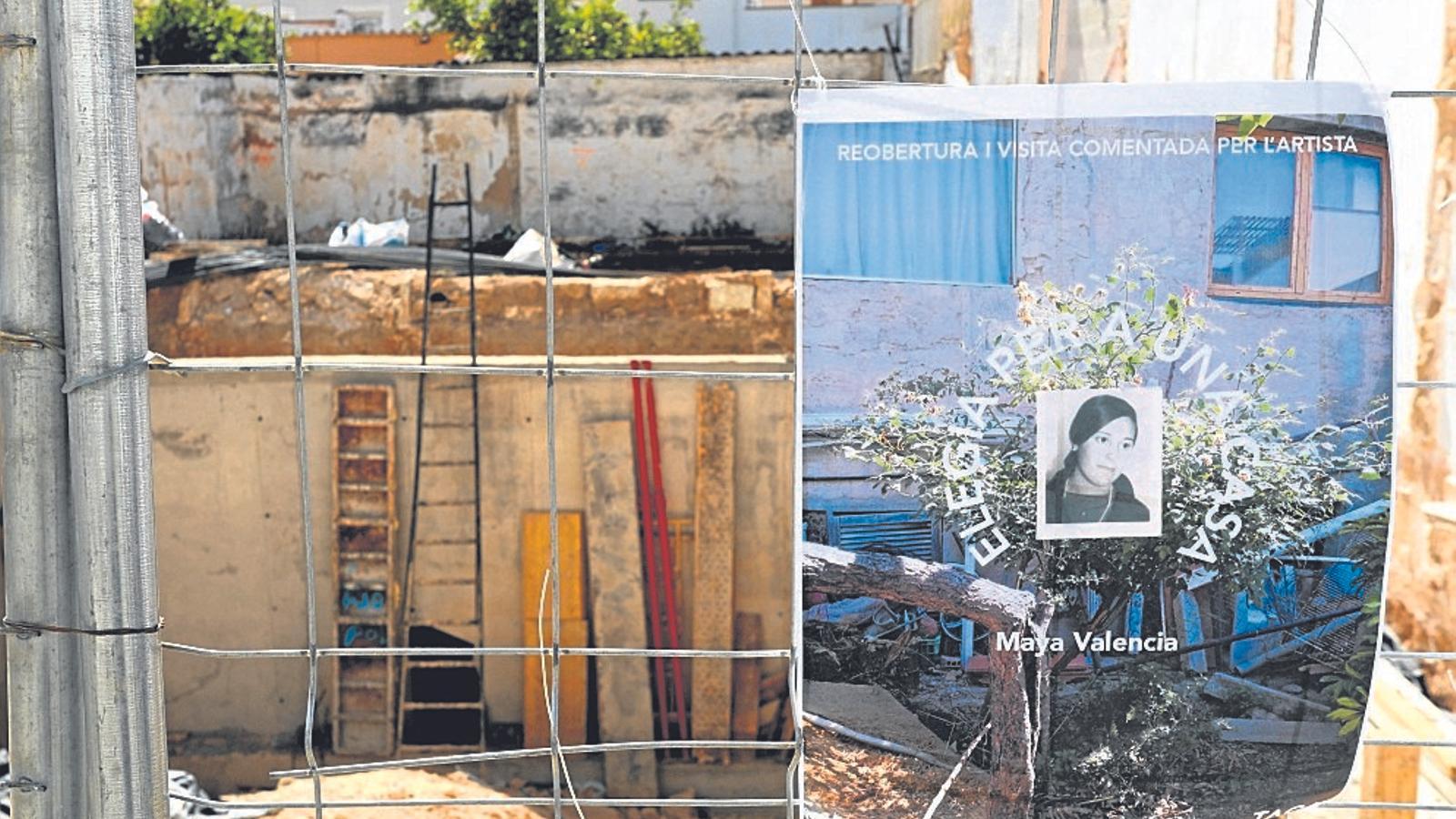

PalmThe question a young woman asked herself after seeing her grandmother's house in Son Espanyolet being demolished to make way for a new construction in foreign hands is, in reality, a collective, country-wide question. "Why couldn't I save my grandmother's house?" she wondered. Her lament could be that of thousands of people from other neighborhoods and many towns and cities in the Islands. Why are more and more families unable to preserve the houses that have been part of their history?
The answer is not simple or unique. It is multifactorial. It is true that the Islands receive an enormous amount of foreign capital willing to invest in housing or buy a piece of paradise. It is an important, often decisive, factor, but it is not enough to explain what is happening. There has been an uncontrolled surge in housing prices. Especially with the expansion of tourist rentals, houses have stopped being places to live and have become a business. And those who need housing to live in are expelled from an increasingly inaccessible market.
To this phenomenon is added a generational reality. Couples who were able to buy the houses that emerged from the great urban expansion of the 60s and 70s are dying off. The children, often two, three, or more, have to share the inheritance, the family estate. But with prices soaring, too often no family member can afford to buy out the others' shares. And the house ends up being sold.
There is yet another element: patrimonial lack of protection. Many houses with a certain architectural value – including humble ones – have never been included in municipal protection catalogs, if such a catalog even exists.
All these and many others are factors that define us as a society. The change of hands of family homes has always existed, what had never happened was that afterwards it was not possible to access another home. But, in any case, the factors are not the result of chance, but of political, economic, and urbanistic decisions accumulated over decades. For this very reason, public regulation is now so necessary. Marga Prohens' Government should declare the Balearic Islands a tense zone. It is. This figure would allow us to start applying measures to limit, at least, the escalation of rents. The problem, however, also goes beyond the regional scope. The State and the European Union must understand the dimension of the housing emergency that the Islands are experiencing. They should also recognize their peculiarities: the extreme disproportion between salaries and housing prices, and global real estate pressure.
The great risk now is to end up assuming as normal that the Islands are an excellent place to invest, but that it is increasingly difficult to live in them.
