45% of homeless people in the Balearic Islands have a job
The homelessness census of the UIB and the EAPN confirms that seven out of every ten people were already living in the Islands when they were left without a place to live
-
CAT -
CAST -
DE
PalmaAlmost half of the people interviewed in the first autonomous census of homelessness in the Balearic Islands have some form of paid activity. In fact, among those living in vehicles, shacks, or abandoned buildings, the percentage rises to 55%. The data show that having a job is not enough to access housing: 95% of people point out that they would like to live elsewhere, and identify economic difficulties as the main barrier.
This is reflected in the first homelessness census carried out in the Balearic Islands, a count promoted by the Social Observatory of the Balearic Islands of the UIB and the EAPN, which estimates that on the night of September 30, there were 3,152 people in a situation of homelessness or residential exclusion. Of these, 1,095 were sleeping on the street, on mattresses, in tents or shacks, and 580 were in shelters, centers, or flats for homeless people.
Of the 346 people who responded to the survey prepared by 400 volunteers, 88 were registered with Social Security and 69 were working without being registered. In addition, four out of every ten people sleeping in a vehicle have a contract job. The responses draw a reality that goes beyond those sleeping on the street: the census estimates that 1,477 people live in vehicles, shacks, or abandoned buildings and warehouses, 47% of the total counted.
The teams covered 389 locations in Palma, Alcúdia, Calvià, Inca, Llucmajor, Manacor, Maó, Ciutadella, Eivissa, Santa Eulària des Riu, and Sant Antoni de Portmany. 404 collaborators participated, observing the locations and voluntarily interviewing people who were awake and willing to respond.
The majority already lived on the Islands
72% of the people interviewed became homeless while already living on the island. The average length of residence in the Balearic Islands is eight years, and the average time they have been homeless is two years. One in four people interviewed is not registered.
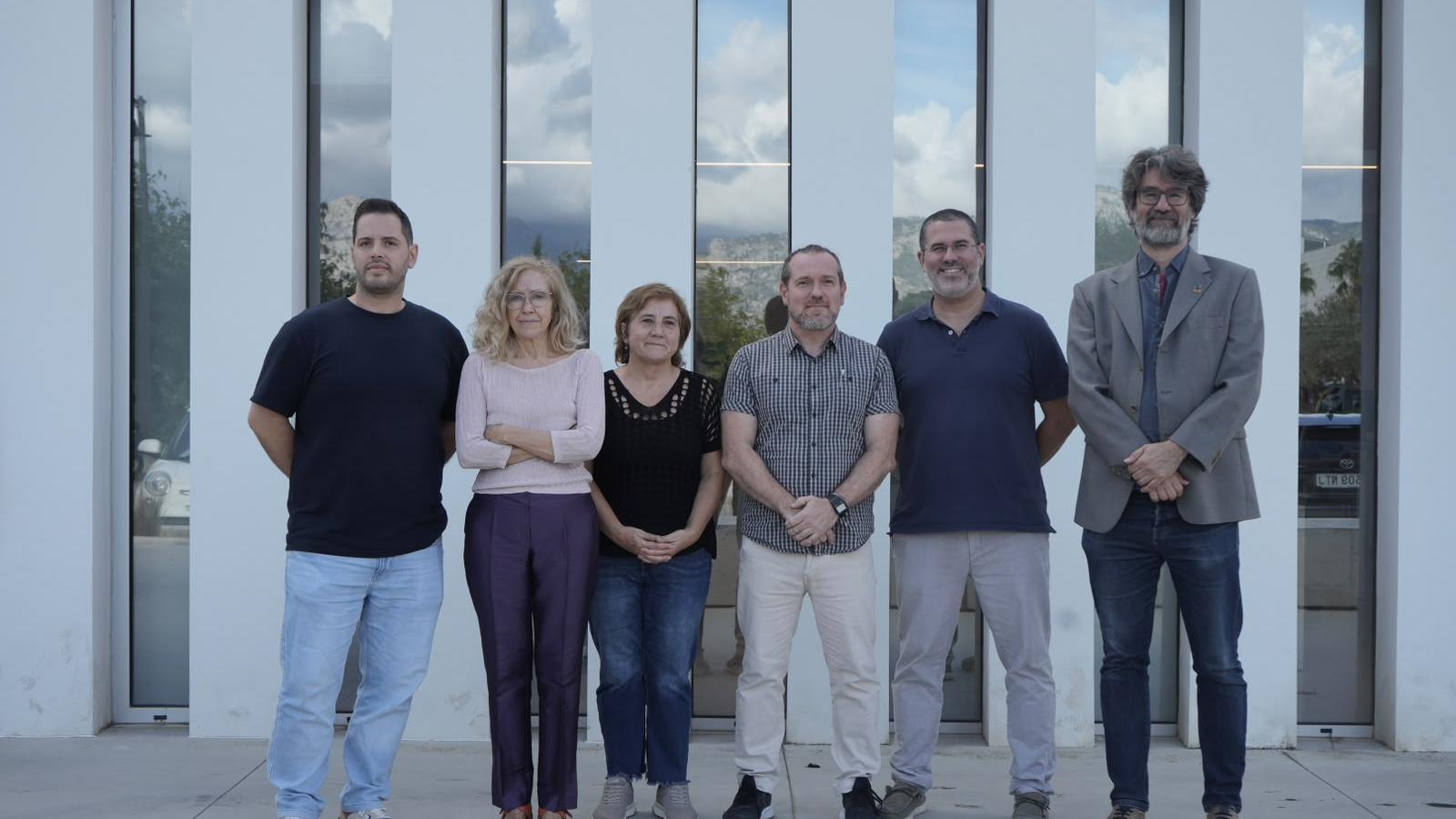
The project coordinator, David Abril, highlights that the data point to a reality of housing exclusion that is broader than what is seen on the streets. "What is growing is housing exclusion," he points out. He also explains that recent evictions in Palma and Ibiza made some people receive the teams with fear and suspicion that the information collected would not be used to evict them. "People are hiding more and more," he adds.
The census is a first snapshot and does not include all situations of housing exclusion. In a second phase, those responsible want to study cases of insecure housing, such as families living in rooms, in overcrowded apartments, or in homes without basic services. They also propose incorporating resources for women victims of violence, refugees, and young people in emancipation programs. In 22 points of the count, they already located families with children.
Each island, a different reality
Mallorca concentrates 2,495 of the identified people; Menorca, 178, and Ibiza, 479. In Mallorca, half of the counted people were sleeping on the street and the other half, in vehicles or buildings. In Menorca, vehicles and abandoned buildings predominate, while in Ibiza the street, tents, and shacks are more frequent.
Abril explains that the specific results for Menorca and Ibiza will be presented during November. She also advocates for the census to be repeated periodically across all islands and municipalities, with a common database, since currently each town hall collects information differently and there is no single database that allows for a real radiograph of the housing emergency situation in the Balearic Islands. The forecast is that the second phase will be able to provide new data before the summer.
