Alert for a measles outbreak in Mallorca with at least six cases
Five of those affected were unvaccinated and the first case detected was that of a minor tourist treated at Son Espases on July 19
-
CAT -
CAST -
GER
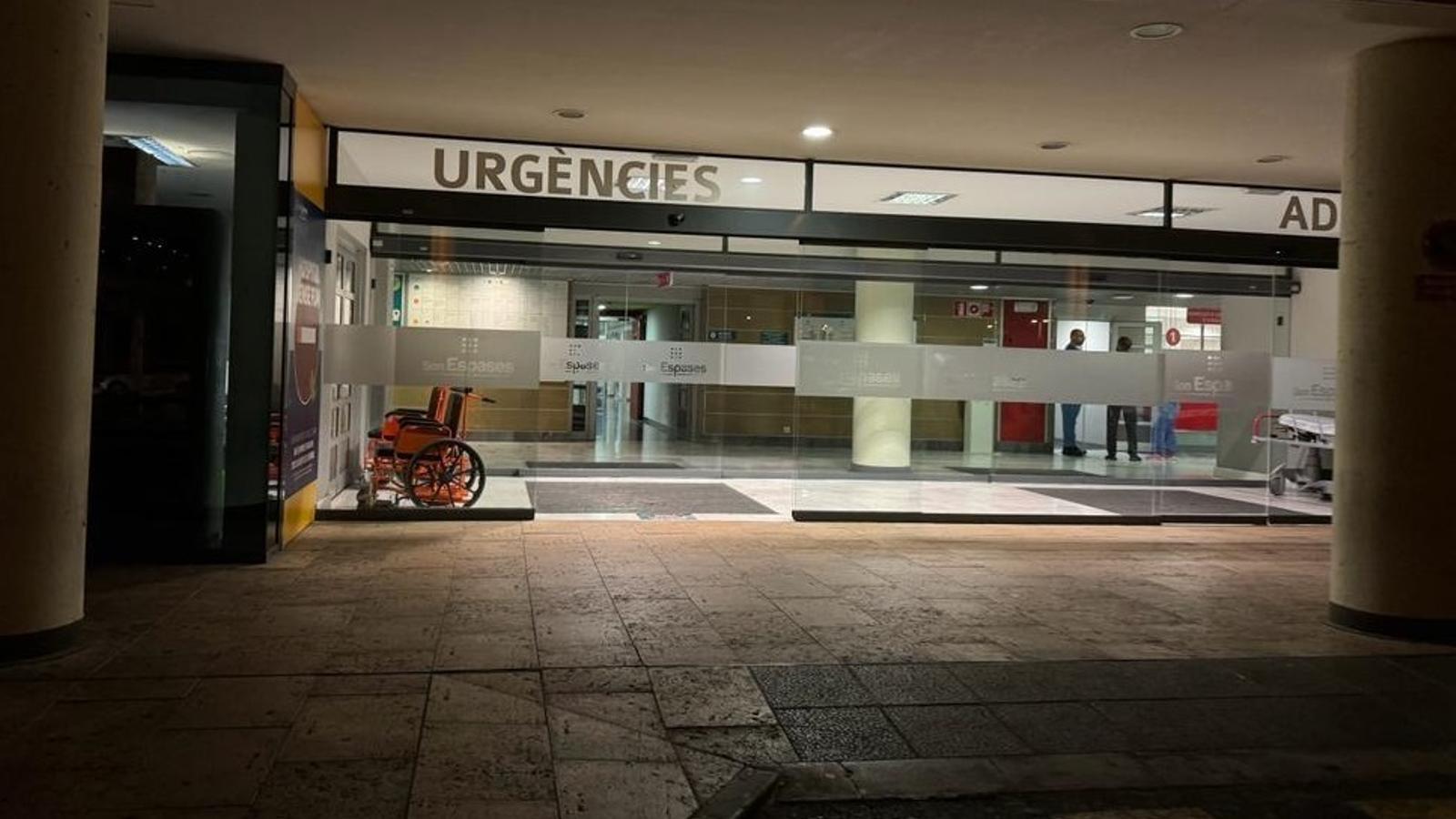
PalmaThe Public Health Surveillance Service has detected at least six people affected by a measles outbreak in Mallorca, as reported this Monday by the Ministry of Health. The cases are related and the patients have been treated in the same hospital, although Public Health has classified the outbreak as community-acquired and not of sanitary origin. Epidemiological investigation has determined that the first case was that of a minor tourist who attended the Pediatric Emergencies of Son Espases Hospital on July 19. The secondary cases began to show symptoms at the end of July. Five of the six affected were not vaccinated against measles, while for the sixth, there is no vaccination record.

Following the detection of the outbreak, the Directorate General of Public Health, in coordination with IB-Salut and in accordance with the protocols of the National Network of Epidemiological Surveillance, has activated a monitoring and control plan. The objective is to detect possible new cases and apply prevention and protection measures to contain transmission. Public Health is carrying out contact tracing of confirmed cases and has asked people who have been in close contact to strictly monitor their health status for 23 days after exposure, especially if they are not vaccinated.
In addition, Public Health has sent an internal recommendation to healthcare centers for the use of FFP2 masks in healthcare settings as a priority measure for outbreak prevention and control. Self-monitoring of symptoms and review of the vaccination status of healthcare and hospital staff in Mallorca have also been established.
The Director General of Public Health, Elena Esteban, has stated that it is "expected that there will be some new cases" of the measles outbreak detected in Mallorca, which has already resulted in six infected individuals, due to the "high number" of close contacts identified, a situation that, she emphasized, is "within normal limits." Among these contacts are passengers from the plane on which the first case traveled and people who were in the waiting room of the pediatric area of Son Espases, where infections occurred. Public Health is sending them text messages to monitor for symptoms for 23 days, the maximum incubation period, although this communication is filtered among people considered immune because they have the complete vaccination schedule or were born before 1978. The six infected individuals must maintain, or have already maintained, home isolation for four days from the onset of symptoms, while close contacts are not obliged to self-isolate, although they are recommended to avoid crowds and contact with vulnerable people. Esteban recalled that measles is "highly contagious" and that the virus can remain active for two hours in the air and on surfaces.
Cases on the rise
The detection of this new outbreak occurs in a context of an increase in measles cases both nationally and internationally. In the Balearic Islands, only one case was detected in 2019 and none were registered between 2020 and 2023. In 2024, however, the figure rose to six cases, while in 2025 it soared to 35.
Of these 35 cases from last year, 31 were registered in Mallorca; 3 in Ibiza (as part of an imported outbreak) and 1 in Formentera, also of external origin. Of the 35 affected, 24 were not vaccinated and the vaccination schedule was not recorded for the rest of the cases. In Mallorca, 22 of the 31 cases registered in 2025 were part of an outbreak in the Tramuntana healthcare sector. Three were isolated cases, three more corresponded to a household transmission outbreak, and the remaining three were imported cases.
Public Health reminds that complete protection against measles requires two doses of the vaccine. In the Balearic Islands, vaccination is part of the public schedule and is free. The first dose is administered at 12 months, using the triple viral vaccine, while the second is administered at three years, with the tetra viral vaccine. Currently, vaccination coverage in the Islands is 91.11% of the target population.
Public Health recommends that people born after 1978 who are not vaccinated or who have not had the disease should take advantage of any medical consultation to review their vaccination history and complete the schedule, if necessary. Systematic vaccination against measles began in Spain in 1978 with a monovalent vaccine. From 1981 it was replaced by the triple viral vaccine, which also protects against rubella and mumps.
Highly contagious
Measles is an infectious disease caused by a virus with a high transmission capacity. Among the most characteristic symptoms are fever and the appearance of a skin rash, which may be accompanied by conjunctivitis, sneezing, coughing, and general malaise. An infected person can transmit the virus from four days before the rash appears until four days after. The usual incubation period is between 10 and 14 days, although it can range from 7 to 23 days. The virus is transmitted mainly through nasal or throat secretions from an infected person and through droplets that are expelled when they cough or sneeze. It can also remain active for up to two hours on certain surfaces.
