Arrested in Barcelona the leader of the Lujo Casa macro-scam after nine months on the run
Carlos García Roldán, sentenced to 14 years and nine months in prison, was hiding at his mother's house, where he already was when they notified him of the sentence
-
CAT -
CAST -
DE
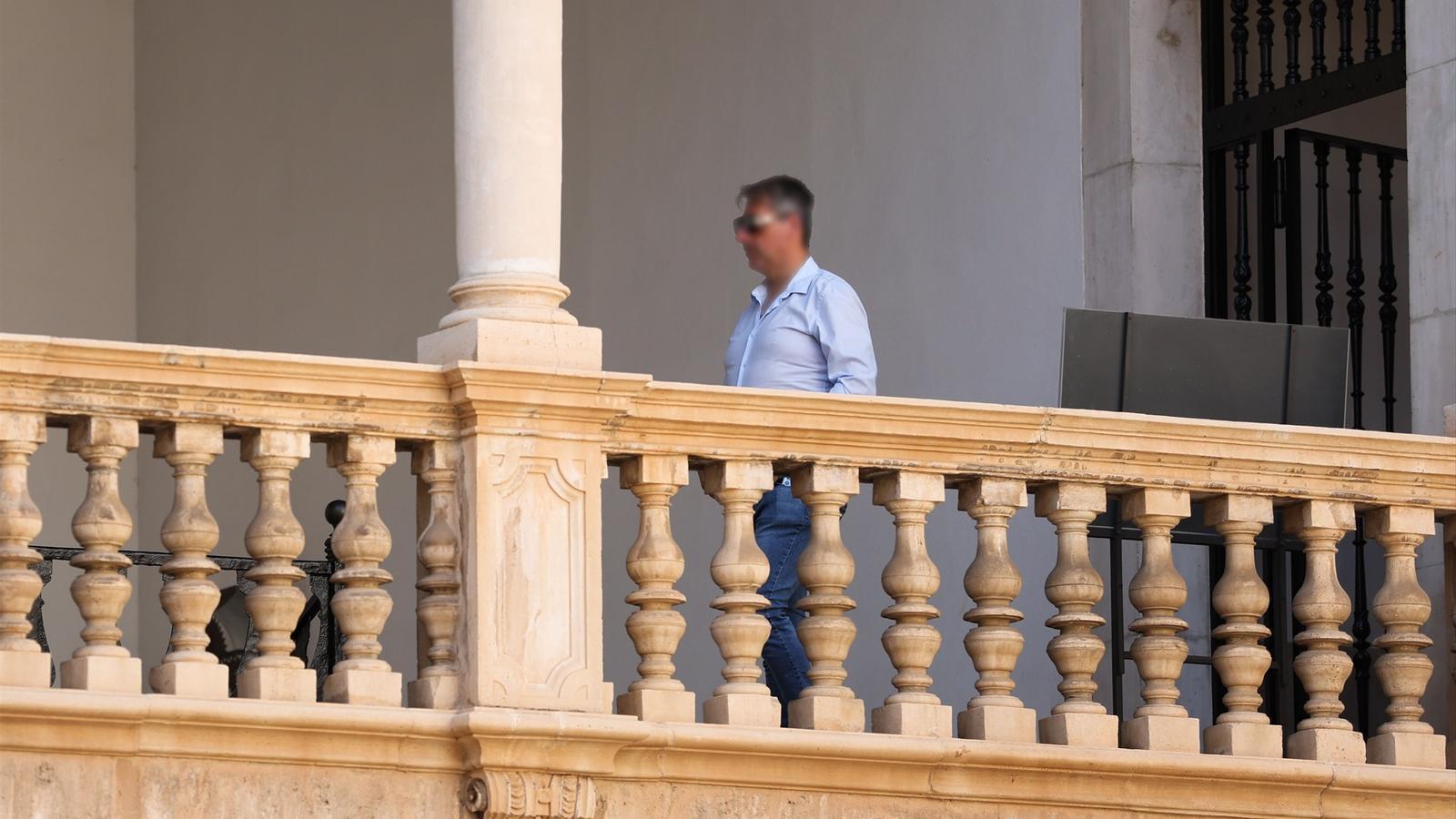
PalmaThe Civil Guard has arrested this Thursday in Barcelona Carlos García Roldán, known as Charly and considered the leader of the Lujo Casa real estate macro-scam, after nine months on the run. The Balearic Islands Court sentenced him last December to 14 years and nine months in prison for a scheme that defrauded about 3.3 million euros from more than 230 people with around thirty real estate developments that were never built.
The agents located him at his mother's home, the same place where he was when they notified him of the conviction, according to legal sources explaining to Europa Press. Officers from the Balearic Islands Civil Guard Command traveled to Barcelona to carry out the arrest.
The Second Section of the Provincial Court had issued last December a search, arrest and imprisonment warrant against García Roldán. Now he will remain at the disposal of the corresponding duty court in the municipality where he was arrested. Hours later, and after being brought to justice, García has entered prison. Since the morning, the sources consulted considered it foreseeable that his provisional entry into prison would be ordered and that is how it finally happened.
The arrest puts an end to a flight that began the day after he was notified of the sentence. García Roldán was supposed to appear before the Court in Palma at a hearing intended to review whether it was necessary to toughen the precautionary measures that had been imposed on him while the sentence was not final. Until then, he was on provisional release.
Charly, however, did not appear at the summons. He alleged that he was outside of Mallorca and that he had not found any flight to travel to Palma. From that moment on, his trail was lost and the Court ordered his search and capture.
The second flight
It is not the first time that García Roldán has tried to evade the action of justice. During the Civil Guard investigation that uncovered the macro-fraud, he fled to Colombia, where he spent some time. Finally, he was extradited to be able to continue the judicial proceedings and sit in the dock.
The Balearic Court sentenced him as the author of a continuous crime of aggravated fraud and the crimes of belonging to a criminal group, punishable insolvency, and money laundering. The sentence also imposed prison sentences on two of his main partners.
The judicial resolution considers it proven that Lujo Casa massively offered homes off-plan without having the land, licenses, financing, or the necessary guarantees to build them. In many cases, the company was not the registered owner of the advertised plots and only had purchase option contracts that it did not even reach the point of executing.
The company had also not obtained the new construction licenses. In some developments, it only had basic projects and had not contracted bank guarantees or surety insurance to protect the money advanced by the buyers. The amounts delivered by the clients were also not deposited in separate special accounts, as required by the regulations.
Homes that never existed
The scheme projected an image of solvency through offices open to the public, advertisements on real estate portals, signs installed on the plots, and contractual documentation. This appearance led hundreds of buyers to advance money to acquire homes that, in many cases, were to become their habitual residence.
According to the ruling, Lujo Casa already had a negative net worth in 2016, but continued to promote around thirty projects with an economic volume absolutely disproportionate to its resources and its financing capacity.
The Court concludes that those responsible knew from the beginning the unfeasibility of the developments and that they repeated the same system for years: announcing future homes, hiding that they did not have the necessary means to build them, and capturing the down payments from the buyers. The macro-scam left more than 230 victims and an estimated economic damage of about 3.3 million euros.

