The excavation of the fourth talaiot of Son Fornés brings to light a unique structure full of questions
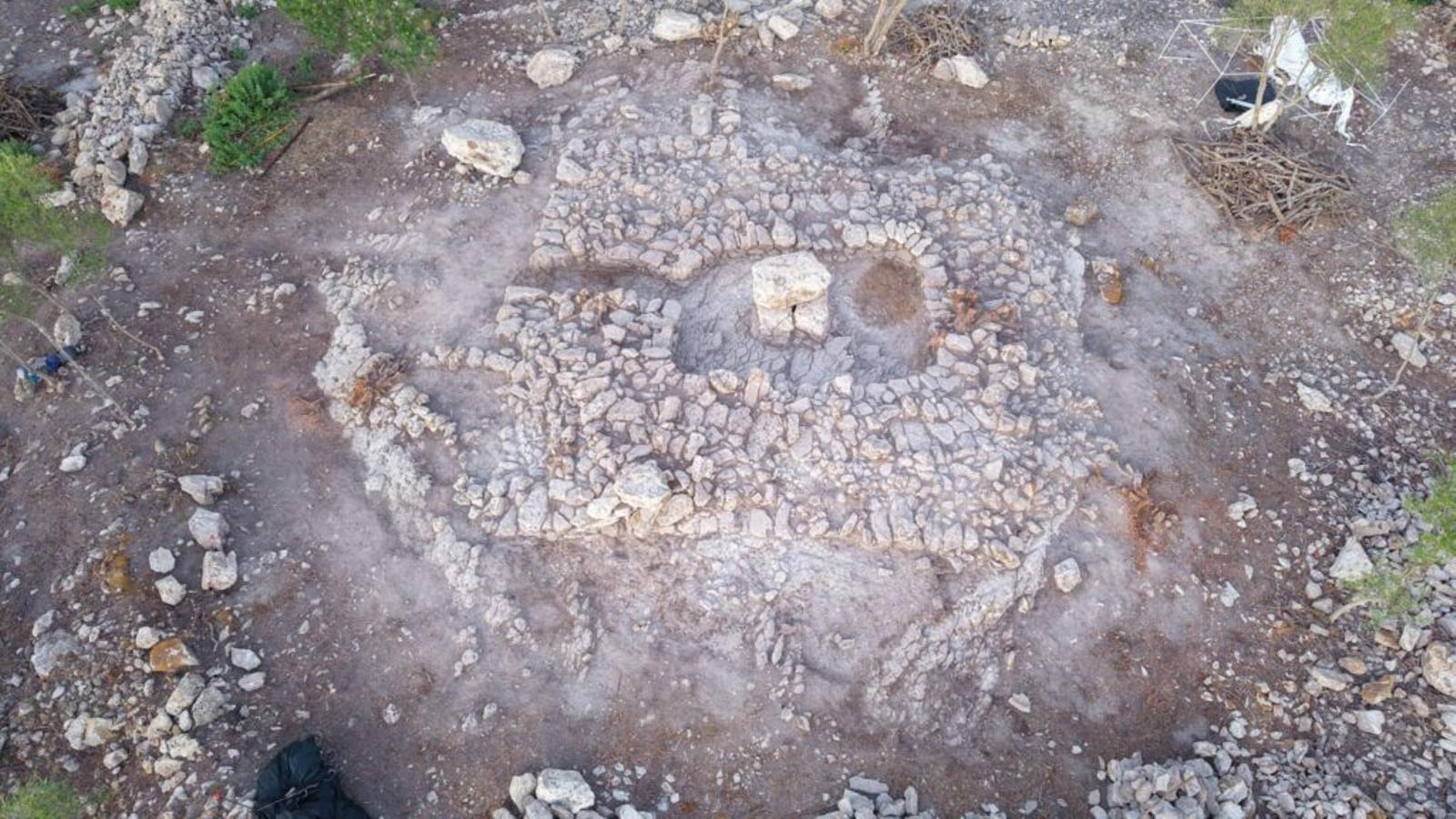
The Montuïri site reveals a square talaiot built with a unique technique and with a reformed central chamber
-
CAT -
CAST -
DE
MontuïriJust as it marks 51 years since the first excavations that changed the archaeological history of Montuïri, and beyond the town of Es Pla, forever (as Vicenç Lull explained in this interview), the Son Fornés site is back in the news. This September, the team of archaeologists from the Son Fornés archaeological museum has focused their efforts on the enclosure located just behind the estate houses. A site, halfway between the Sabor talaiots and the large talayots already known on the estate. There, what was initially known as the "new" talayot has begun to reveal its best-kept secrets. For now, neither large stones, nor round.

The tasks of this campaign have uncovered a square talaiot with very unique characteristics. Built with rather small stones, the building presents evidence of having been renovated inside at a later time. This remodeling reduced the space of the central chamber, which is organized around the classic central stone column. In this case, the pillar is only made of two stones.

One of the most interesting details is explained very graphically by archaeologist Bea Palomar regarding the construction technique used: "if today one could lift the talaiot stone by stone, we would see how the bedrock upon which it rests was excavated in a stepped manner. The same stone blocks that were hewn and extracted from the bedrock served, subsequently, to raise the walls of the structure itself".
Regarding the exact function of this space, the site currently maintains its mystery. Little archaeological material has been extracted from the interior, a scarcity that makes researchers cautious when determining what specific use it was given. These remains, pending detailed analysis, should shed light in the coming weeks.
This year's campaign also has the added value of the participation of Vicenç Lull, one of the key names in research at Son Fornés since the beginning. More than half a century after the first incisions into the ground, the site proves that it still has many pages of our prehistory to write.
