Mallorca does not know how many people live in illegal settlements on rustic land
The administrations register urban planning violations, but they do not cross-reference the data with social data and do not distinguish between vulnerable families and clandestine rental businesses
-
CAT -
CAST -
GER
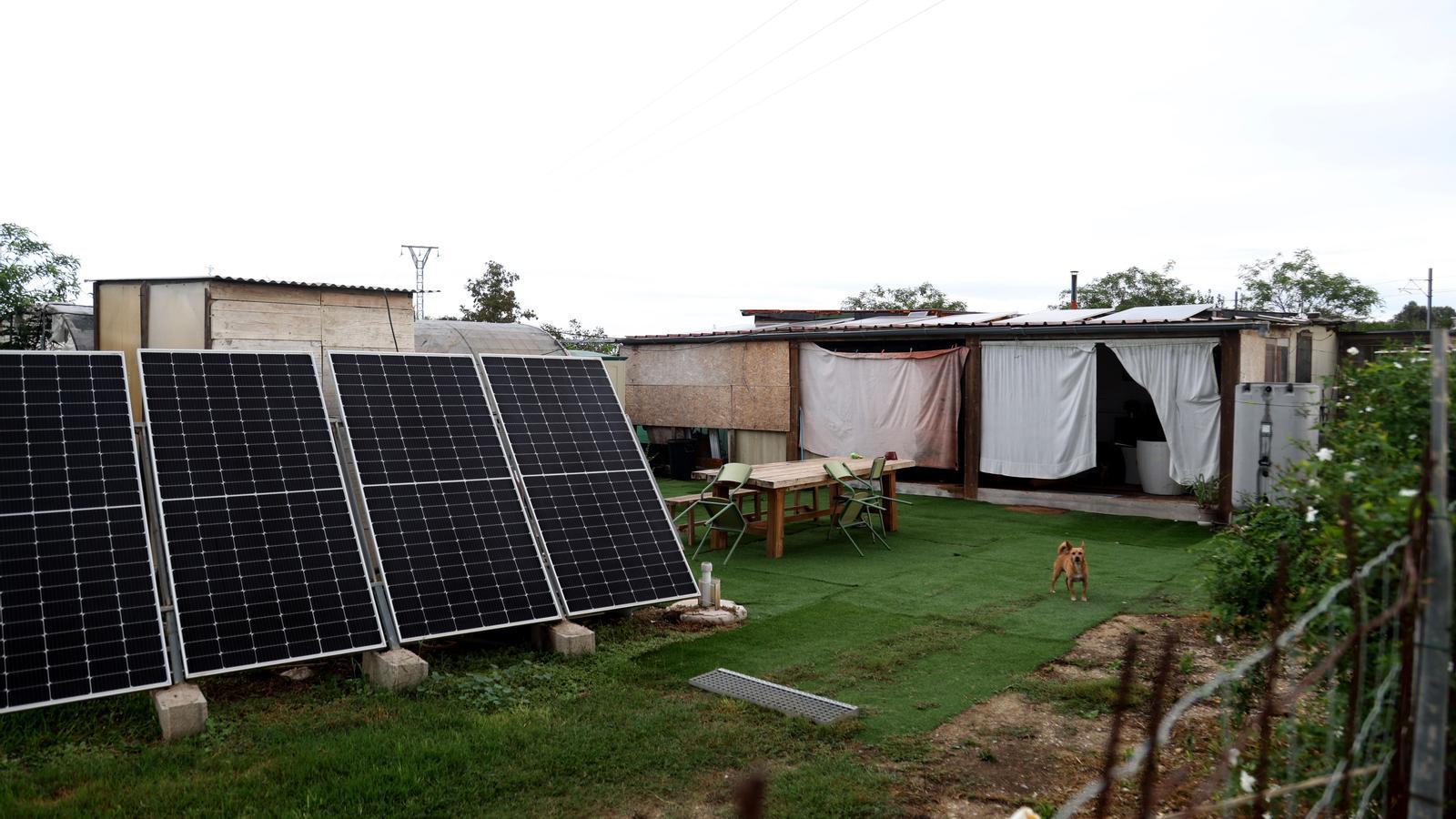
PalmaIllegal settlements on rustic land, linked to the incessant demand for labor and the housing emergency, are putting the public administrations of the Balearic Islands to the test. Although caravans, small houses, and precarious constructions have become common on the outskirts of towns and along rural paths and tracks, no census currently allows us to know how many settlements there are in Mallorca or how many people live in them.
Administrations and social entities count homeless people, caravans, infractions, and buildings outside of planning regulations, but the categories do not coincide or cross-reference. A caravan may be recorded as an infraction without its residential use being registered, and the result is a visible, yet statistically fragmented reality.
The reports from the Territory Defense Agency (ADT) only offer an approximation. Between 2021 and 2023, the agency detected at least 44 substandard dwellings on rustic land: 23, 15, and 6, respectively. In 2024 and 2025, it only indicated their weight among new actions—8.23% and 3.70%—without specifying the figure, the location, or the people affected. These are only urban discipline data, not a residential census.
The Chair of Urban Studies at the UIB carried out a pioneering investigation in the State between June and July 2024. It located 150 motorhomes in Palma and concluded that about 80 had a residential use. More than half of those surveyed had been living there for between one and five years. The sample, focused on the city, cannot be extrapolated to rustic land or to the whole of Mallorca, but it pointed out that the phenomenon was expanding.
The lack of a shared count makes it difficult to distinguish families occupying a shed without services from clandestine rental businesses and irregular second homes. The response is often reduced to an urban planning file, without a parallel social diagnosis.
“It is an increasingly frequent and widespread fact, and it is not strange to find them especially on the outskirts of towns: tool sheds without water or electricity where a whole family or single people live,” explains David Abril, doctor in Education and professor of Sociology at the UIB. The complete picture remains pending: the Administration counts files, but does not know how many households are hidden behind the infractions.
