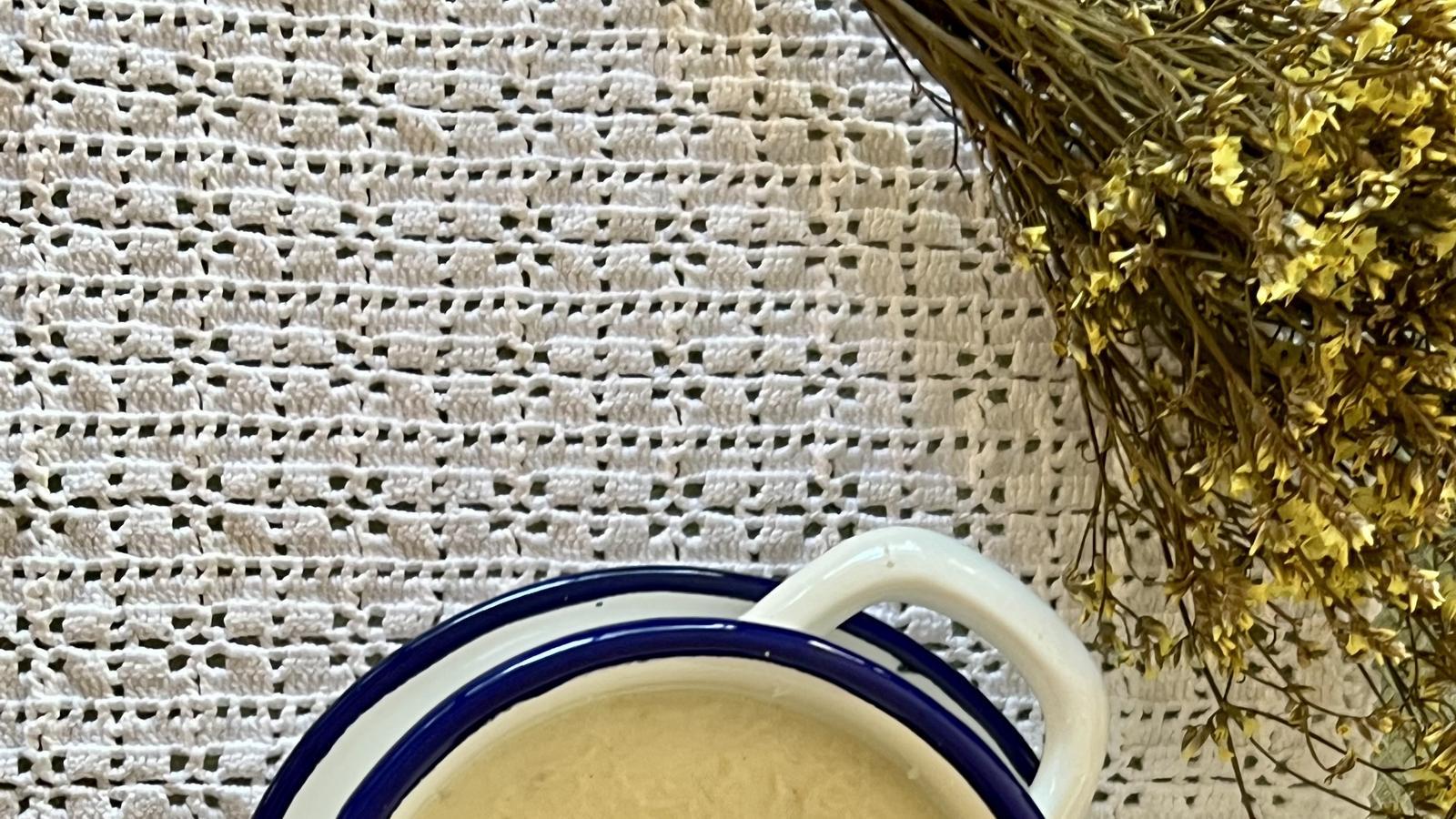
We will sauté some grated ginger, garlic, and diced onion. We will add the sliced parsnips, stir a little, and add the broth. Let it boil until the parsnips are well cooked. We will reserve some of the broth and blend the vegetables in a food processor. We will blend the almonds with the reserved broth. We will strain it well with the help of a cloth to obtain the milk and pour it into the blended vegetables.We will bring this cream to a boil for five more minutes over low heat and add a little milk. We will serve it accompanied by diced soft cheese or grated cured cheese, figs if in season, and toasted pine nuts.
For bread and for salt
A feast for the senses
The dishes will be prepared with a great profusion of condiments, seeking contrast between sweet, salty, sour, sweet and sour, and spicy
16/05/2026 - 13:46 h.

3 min
PalmaI propose a mental exercise, traveling back in time 500 years to dine in a manor house in Palma. I enjoy taking this trip, being the guest at a banquet of a noble family on a festive day, perhaps a wedding or an important celebration. The dishes that will be cooked there will not be very far from those we appreciate in recipe books like the Llibre de Sent Soví, written in 1324 and considered one of the oldest in Europe, one of the great sources for understanding the diet of the Crown of Aragon in the late Middle Ages, and by extension, of the cuisine practiced in Mallorca in noble settings after the Catalan conquest.
Once seated, a member of the service will wash my hands with the help of a jug, a ladle, rose water, and a towel. The bearers will bring the food, and the cupbearer will serve the wine while the carver will cut the roasts and other culinary preparations. In each service, they will bring us many different dishes at once, which will be placed in the center so that each person can take what they want. For this, we will use bread as a support, a slice will serve us to place the food on another slice, which is what we will use to bring the food to our mouths. I know that the entire banquet will be a unique experience to satisfy my senses, especially taste and smell, because the dishes will be prepared with great profusion of condiments, seeking the contrast between sweet, salty, sour, sweet and sour, and spicy. Possibly what will impact me the most will be the chromatic palette of the dishes in a world almost without reds. The most sought-after color will be white, and we will find it in delicate recipes such as white food and white sauces. Its prevalence in some foods will be a sign of higher quality, as in bread, dishes made with cereals, almonds, cheese, fish, and some meats. In some vegetables such as onions, leeks, and cabbages, the green part will be discarded as it is not as well regarded as the white part, or pale-toned vegetables will be preferred. Intense golden will stand out due to the use of saffron in many stews and broths or the use of egg yolks that will thicken creamy sauces and give color to the meat. Toasted, beige, and brownish tones will also be distinguished, which will come from cinnamon, cloves, toasted almonds, or toasted bread that will be added to the stewed meat. The green of leaves like chard and cabbage or aromatic herbs will color some of the sauces that will give prestige to the medieval banquet. Red will be shown very subtly thanks to some meats, pomegranate juice, wine, and vinegar.
The richness of aromas
, the carrot, a dish where the root is cooked in mutton broth and cheese. We find this same recipe identical in the Blessed be the recipe books, which allow us to travel in time and to different places. In today's case, it has led me to a cream that appears in the Sent Soví, the carrot, a dish where the root is cooked in mutton broth and cheese. We find this same recipe identically in the Llibre de totes maneres de potatges (15th century) and in a brief mention in the Llibre d’aparellar de menjar (mid-15th century) where white figs and pine nuts are added.
The original recipe specifies that they should be white carrots because it was usual to find them in different shades. In this savory version, I have replaced the carrots with parsnips, added chicken broth, and removed the sugar to achieve a white and light cream.
Carrot or parsnip cream
Ingredients
l 4 young turnipsl 1 onionl 1 garlic clovel fresh gingerl 500 ml chicken broth or waterl 100 g raw almondsl mild or aged cheese l pine nuts
