How was Antoni Torrens, according to his friend: "He is a person full of light; he has never had hate inside"
A friend of the pharmacist and cultural activist tells us the best-kept secrets of his childhood

-
CAT -
CAST -
DE
Palma“He is a person who illuminates your thoughts. For me, he is my spiritual father, fundamental in my life. He is one of those great men of whom one is born every century. A universal man who vibrates and makes others vibrate, and who throughout his life has done everything with love, generosity, and tolerance.” This is how the village poet Antoni Gost Curro (1953) speaks. He says it about another Antoni, known, admired, and loved, difficult to classify: a pharmacist, a cultural activist, a social agitator, and a revolutionary. We are talking about Antoni Torrens Gost (1937), the driving force behind sa Pobla in Gràcia, the meeting of bagpipers and luthiers, the Llar de la Memòria, the Albopàs group of devils... among so many other things.
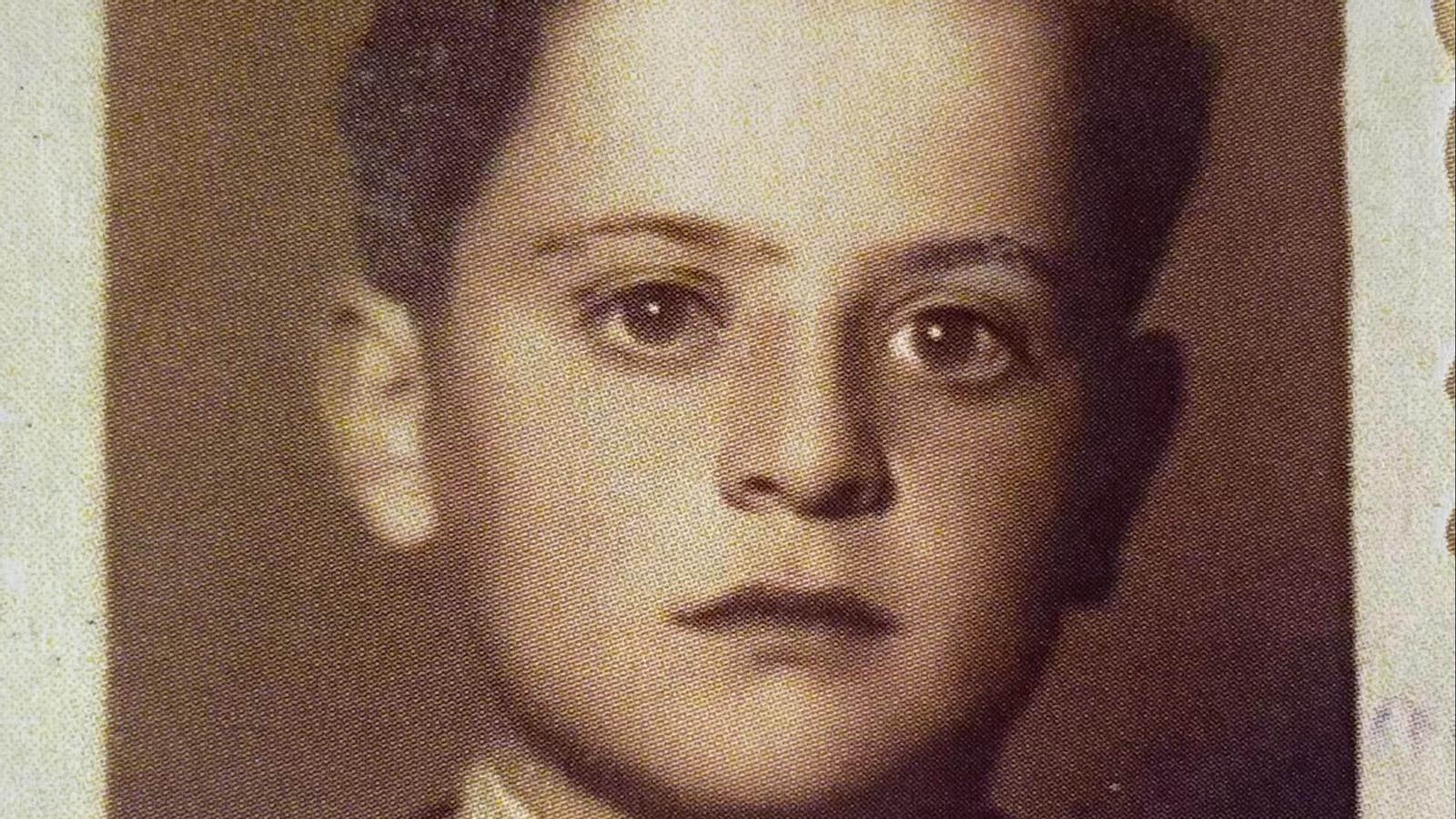
Son of Pep and Maria, Antoni Torrens was born in sa Pobla on January 29, 1937, in a political and social context of war. And he grew up during the post-war period, under full dictatorship: “He lived through the worst of the worst. Even so, Toni always found a way to do positive things in difficult and dark times. He is a person full of light, who has never harbored hatred,” comments the poet, with admiration. They are separated by 16 years, but time has made them brothers. Curro recalls how, at 10 years old, he was dazzled by Torrens' presence: “He has an extroverted shyness: he approached everyone with great prudence and reserve, and would think forty times before saying something. He has the gift of making his interlocutor feel important, he is welcoming to people. He has a beautiful chemistry.”
Little Antoni Torrens really liked going to school. “He has told this anecdote many times: one Sunday, after a deep nap, the child got up, got dressed and grabbed his school bag. When he left his house, his parents were sitting in the cool with some neighbors. ‘And where is he going now?’, they thought. And he, being a child, went to the nuns’ house… but found it closed and had to return home! He liked school so much that he wanted to go on a Sunday!”
At home they were marsh dwellers, and Antoni was tied from childhood to the land, the Poblana marsh, L'Albufera and cultivation. Spaces, tasks, that also linked him to popular culture. “We used to go with the cart from sa Pobla to the front to get seaweed and take it to the field, and thus aerate the soil. We often had herring and trempó for lunch, or noodles with eels, and I know that these are some of the most tender and loving memories he has with his father”.
His parents wanted him to have an education: he studied Pharmacy in Barcelona, finished his degree in Granada and did a stay at the Rockefeller Center in Paris. “When the neighbors found out that Toni was going to study, they thought it was a crazy idea. He was an only child: people thought his father should give him a shovel and send him to work,” says the poet. He recalls laughing that “when Mr. Toni was studying at the Teatinos college in Palma, a friar would turn off the radio when "El negro bayón" (song from the film "Arroz amargo") was playing so they wouldn’t have impure thoughts!”. Cinema, another great passion of Antoni Torrens: “He loved it. The only paradise we had access to in those years”.
A key figure in Toni Torrens’ life, and his great collaborator, is Francisca Armengol: “She is the great pillar of his life. She is also a pharmacist, and together they have been one of the most solidary and generous tandems we have ever had in our country and for our country,” points out the poet, emphatically. They bought a pharmacy on Carrer dels Oms in Palma. They settled in Ciutat, where the children were born. Family and professional life was never an obstacle to dedicating time and money to popular culture, which he defines as a “tool for progress”. Gost adds: “He understands culture as a way of living collectively, of sharing ideals, and for him it was very important to enrich the town and traditions, because otherwise, we are nothing, and he has been very clear about that his whole life”.
