The College of Teachers asks to maintain GestIB and reinforce the own educational management system
The organization considers that the current system is strategic and advocates for avoiding dependence on a large external private corporation

-
CAT -
CAST -
GER
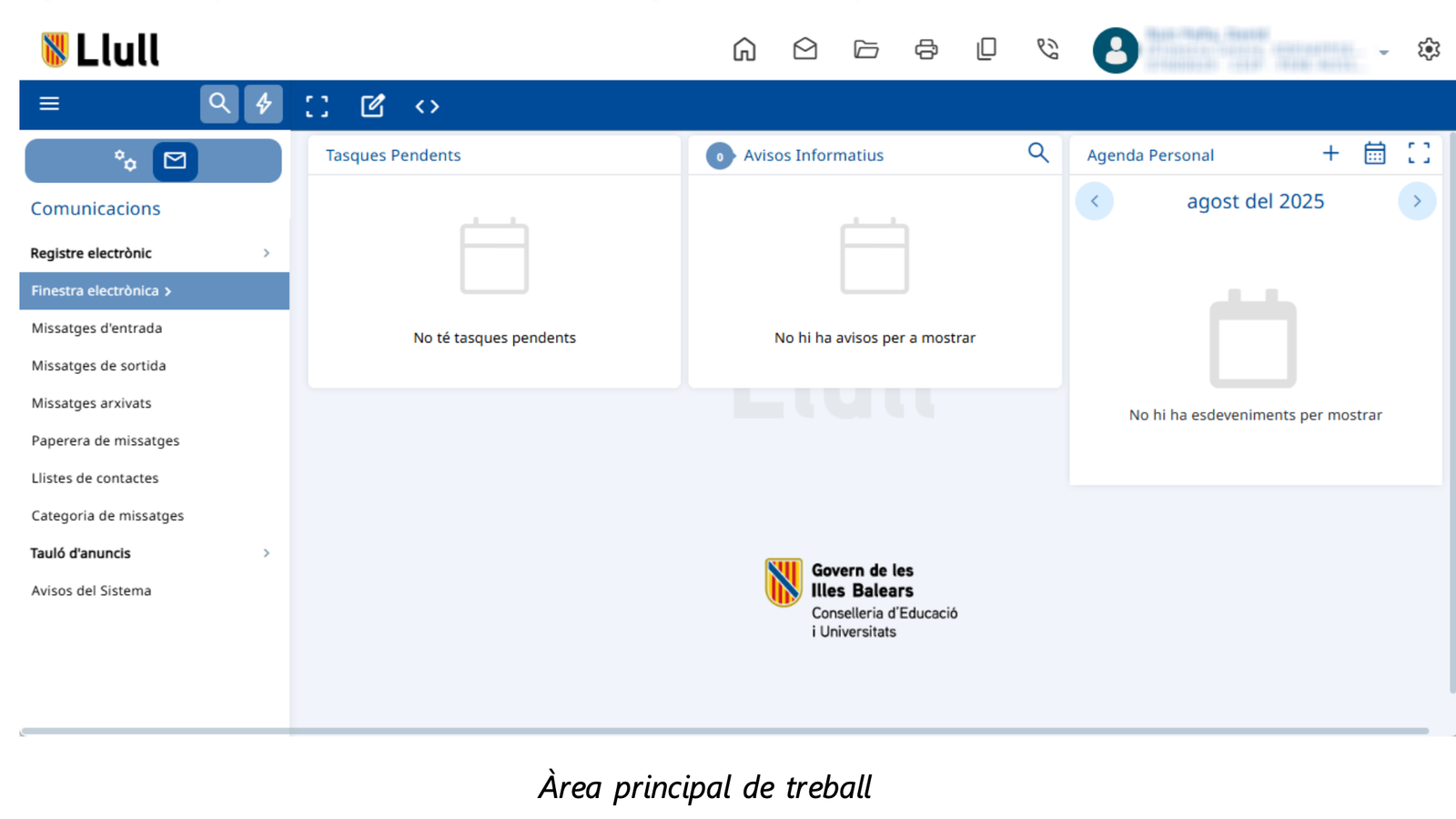
PalmaThe replacement of the educational management system in the Balearic Islands has opened a deep debate about the role of large private corporations in essential public infrastructures. The Professional College of Teachers of the Balearic Islands has expressed its “concern about the replacement process being carried out by the Ministry of Education and Universities” in relation to the change from the academic management platform GestIB to a new solution called Llull, derived from Séneca and awarded through a public contract to the private corporation Ayesa. In this context, the teaching collective particularly warns of the risk of technological dependence on large external actors in the management of sensitive educational data.

GestIB, according to the College, is not just an administrative tool, but a central infrastructure for the daily functioning of educational centers. Through this platform, management teams, teachers, and families manage incidents, internal communications, evaluations, attendance, grades, reports, and all student academic information. The system also integrates regulatory and organizational procedures that allow for the coordination of the centers' daily operations, from teaching planning to relations with families and administrative processing.
The statement emphasizes that this platform has been "created, maintained, and improved by technical personnel directly linked to the educational Administration," which has allowed for progressive adaptation to the real needs of the centers. In this regard, it is highlighted that users can communicate incidents, suggestions, or emerging needs directly to a close technical team, capable of implementing improvements or correcting errors within reasonable timeframes.
This proximity between technological development and educational reality has been, according to the College, one of the system's main assets. It has enabled a rapid response to operational problems and continuous evolution of the platform based on the real experience of the centers, which consolidates GestIB as a deeply integrated tool in the functioning of the Balearic educational system.
A model of decades
The platform replacement, however, generates uncertainty. The College warns that “any migration of an academic management system that accumulates decades of data, procedures, and integrations is an extremely complex and delicate operation”, and warns of possible risks such as loss of functionalities, incompatibilities, and service interruptions in a particularly delicate system.
Beyond the technical dimension, the statement places the debate in the realm of digital sovereignty. In the entity's words, it is a debate about “technological sovereignty and public self-management capacity”, especially relevant because “educational data are particularly sensitive data” that affect minors and key educational processes.
The text also contextualizes this concern within European trends, where “digital strategic autonomy” and the reduction of technological dependencies in public services are being promoted. In this regard, it recalls that countries like France and Germany have strengthened policies for institutional control over critical digital infrastructures.
Finally, the College concludes that educational technological infrastructure should be under direct public control, and advocates for “reinforcing, modernizing, and continuing to develop GestIB with its own teams”. For all these reasons, it asks the Ministry to “reconsider the technological outsourcing process” and to halt the migration to the new platform, prioritizing a strategy based on “public service, technological sovereignty, and institutional autonomy”.
