No, gentlemen, the sea does not belong to whoever exploits it
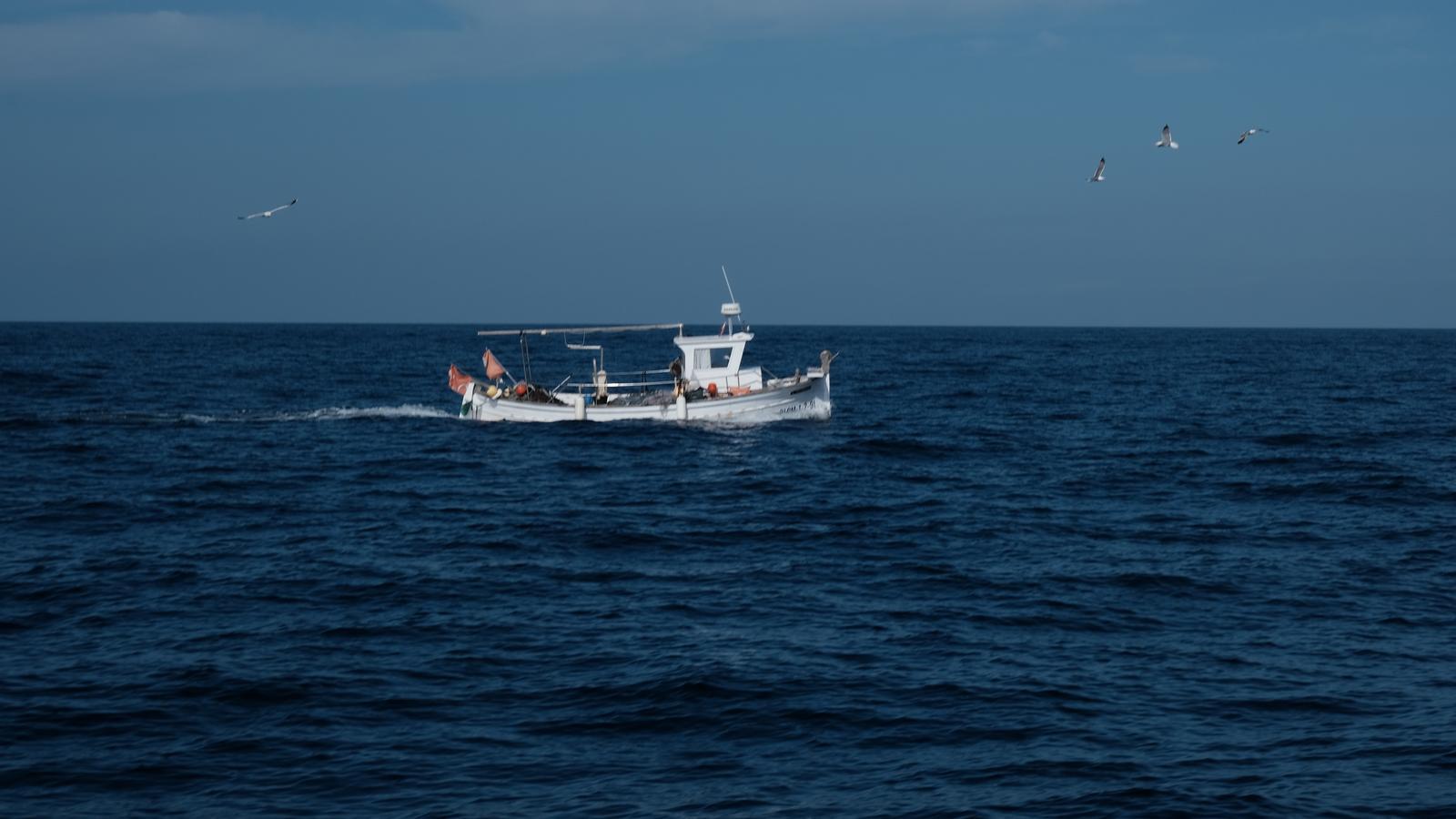

In the Islands, we have achieved a new administrative feat, a new magic trick: to be able to expand a marine reserve, we have agreed to reduce the protection of all of them. And I explain it. We are located in Freus, between Ibiza and Formentera, the first marine reserve declared in the Balearic Islands, in May 1999. Last year, the Government, after presenting its ambitious Marine Conservation Plan, announced the expansion of the protected area. And, to no one's surprise, recreational fishermen took up arms with their well-known tactics to pressure politicians: references to tradition, to "reserves are closed areas for professionals" and that very Sicilian-sounding threat to withdraw votes from the PP. By the way, tradition as an argument to curb environmental protection would deserve a whole article, but that will be another day.And what has been the Government's response? Now comes the sleight of hand, because the solution proposes to expand the reserve but to reduce, in return, the level of protection for both this area and Punta de la Creu, Tagomago and the western islets. If it is finally approved (the objection phase has just closed), recreational fishermen will be able to increase fishing quotas and, in addition, use techniques that until now are not permitted in most of the reserves. The director of the Marilles Foundation, biologist Aniol Esteban, summarized it as follows on IB3 radio's Nautilus: “We are talking about a decree that will increase fishing pressure in the marine reserves of Ibiza and Formentera”. Disrupted reserves.Global warming
Fishermen believe that the sea belongs to them and that, therefore, they have the right to exploit it infinitely, without taking into account that entire populations have already been exterminated. Without taking into account the added pressure of global warming (even sardine populations are dwindling, but you can be sure they will be fished until there are none left, because freedom is more important than biodiversity). Any progress in the defense of the marine environment continues to be subject to the veto right of the sectors that exploit its resources. A minority veto over a common good. We have assumed that fishermen – professional or recreational – have a kind of special authority over the sea, an automatic legitimacy to determine what can and cannot be done there. Why? I insist: WHY? Why should those who exploit the sea decide on its protection if we all depend on it?The problem is, in large part, a matter of language and structure, because the Balearic reserves are technically marine reserves of fishing interest and, of course, even if this allows for the improvement of populations, the objective is that, in the future, fishermen will have more marine life to exploit. They don't even call it life, they call it 'fishing resources', and until we stop thinking about the oceans and their inhabitants from the perspective of predation, we will not be able to save them. It's the same linguistic trap with which whales were protected just forty years ago. They weren't stopped from being killed just like that in view of the catastrophe their disappearance represented, but rather a moratorium was established, which means they are allowed to grow and multiply, and we'll see if they are ever hunted again. Resources, stock, and exploitation are loaded words with which humans sustain their self-proclaimed status as gods of the world – unsatisfied and irresponsible gods, as Yuval Noah Harari would say – to continue considering that animals and their habitats are there for their sole profit. A language in the service of an idea that leads us to disaster, that hides that our entire life depends on a healthy ocean, that without it there is nothing. It's time we understood that its health is ours. So I will go even further, and you can call me radical; if we are clear that the sea is overexploited, that there is neither the diversity nor the populations of twenty or thirty years ago – and I won't go any further – why is it assumed as normal to continue eating the ocean? Why do those who sustain overexploitation have more right than I do to decide on the future?The sea does not belong to those who exploit it. The sea is a common good on which we all depend, including those who do not fish and those who have even reached the –uncomfortable for many, but difficult to ignore– conclusion that in an overexploited ecosystem, the most coherent response is to stop eating it. Conservation should not start with the question of how we can continue fishing without reaching the point of no return, but rather what we are willing to give up – here and now – so that ecosystems continue to exist. And perhaps the marine protected areas we should have in the Islands should not be reserves of fishing interest, but let's see who dares to open this debate.
