The triumphant hotel industry
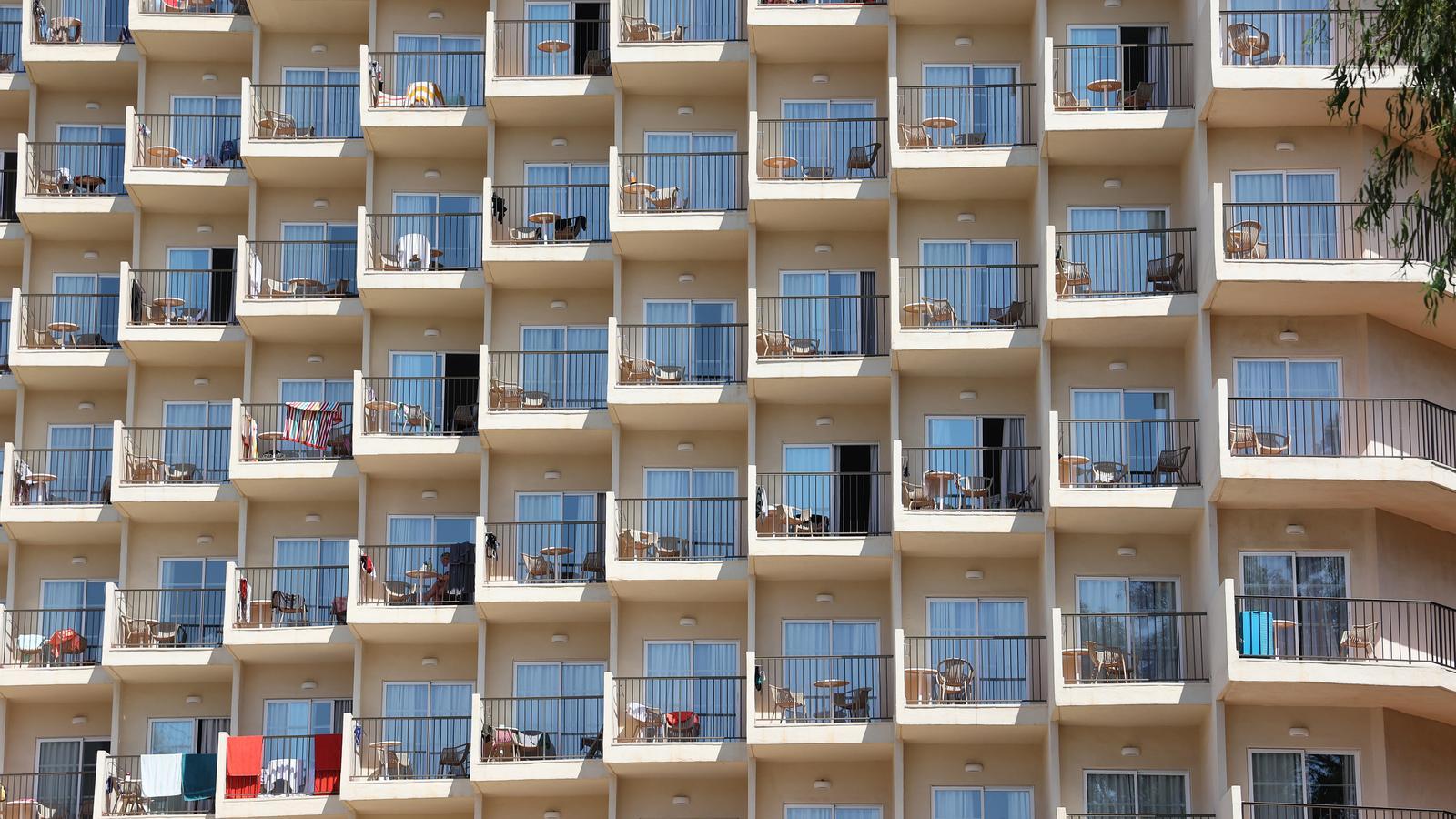

The enormous influence that Balearic politicians allow the hotelier guild to have, which can be called 'hotelism', explains why the tourism model has not changed for more than seven decades. Also why so many directly related problems have been created, from the very business that now impoverishes the social whole to the captive economic structure of a monoculture that dangerously weakens its potential, passing through so many others, such as demographic substitution. None of this worries hotelism in the least, for which the only thing that matters is satisfying the greed of these entrepreneurs.It is worth saying that the responsibility lies not so much with the hoteliers as with those who allow themselves to be influenced and often determined, the politicians. The right-wing have never hidden their submission, while the left-wing and nationalists may be ashamed of it – some – and deny it, but practice when they have governed betrays the same vassalage. This docile brotherhood has been a reality since 2003, although the influence is older.The first time it manifested was in 1955: peak of the dictatorship, beginnings of mass tourism, first travel operators who brought more visitors each year, inns that from one day to the next became hotels, houses rented whole or by rooms and that each year grew with new attached rooms – there was no urban planning control – the Mortgage Bank that granted generous credits to build hotels and each season a handful of them appeared on the sand of some beach...The progression of the business was so rapid and uncontrolled that some politicians of the Diputació – who must not have had hotel interests, neither direct nor indirect – began to worry about the growing disorder. And since they thought – ingenuously – that it was up to them to remedy it, they decided to approve the Report and project of the Provincial Charter – published in the official provincial bulletin on December 30, 1955 –, in which, among other measures, a special tax was launched for tourist establishments – hotels, pensions and others – and the prohibition of building on the coastal sandbanks.The hoteliers saw it more or less like the advent of the Soviet revolution. They allied themselves with the cream of institutional fascism – the Organization movement and the Civil Government – and directed the Foment del Turisme against the initiative. The Foment presented allegations – it had the official Madrid behind it – and the outcome was as predictable as could be: the attempt to limit hotel greed was aborted and the president and other members of the Diputación resigned – for ‘personal reasons’ – the following year.In practice, it was the green light for absolute chaos. In the following 20 years, the hotel industry sowed the first line of new constructions: 'Balearization'. With the 1973 oil crisis, tourism declined and did not fully recover until 10 years later, coinciding with the invention of autonomy.Back then – in 1983 – other de facto powers still existed. For example: Vaticanism and Banca March. The financial institution, for instance, determined who would be the first President of the Government, Gabriel Cañellas – from Alianza Popular, AP, today PP – when the general director, Carlos March, forced a meeting in his Madrid office between Cañellas and the head of Unió Mallorquina – which had the key deputies – Jeroni Albertí, who had bank guarantees that – according to what he said in an interview in Memòria Viva. Mallorca des de la mort de Franco fins avui, Promomallorca, 1995– did not allow him to be "economically free" and he had no choice but to make Cañellas president, closing off the options for the socialist Fèlix Pons. And his own, not least because he aspired to force a deadlock that his election could break.Forming the Government in such a ignominious manner cannot be surprising that the tourism policy it launched was also infamous: satisfying hotel greed. The left opposed it and when it came to power, in 1999, it began the conflict strategy with the hoteliers – designed by a Catalan consultant, from the PSC – which involved imposing an ecotax as a first step of the future reform of tourism. But the PP of Jaume Matas won in 2003 and the losers assumed that the war against the hoteliers had been the cause.From then on, the hotel industry reached its maximum splendor. The PSOE, the far-left, and progressive nationalism joined forces with the right and paid them homage. The second Pact of Progress (2007-2011) and the subsequent left-wing Governments (2015-2023) certified this.More than 70 years have passed since the first failed attempt to limit hotel power, in 1955. Many things have improved since then, but there is one thing that, if it has changed, has only gotten worse. And it doesn't look like it will improve in the coming years: triumphant hoteliering.
