Animal rights activists stand up to Avícola Ballester: “We will not retract” in the face of the threat of a lawsuit
The spokesperson for Satya Animal maintains that the accusations are based on a veterinary report and verified images, and reproaches the Ministry for relativizing the facts.
-
CAT -
CAST -
DE
ManacorThe spokesperson for Satya Animal, Kike Gimeno, ruled out this Thursday morning retracting the statements regarding the conditions of the hens at the Mirabó farm, owned by Avícola Ballester in Manacor. The statements come in a crossfire of accusations after the company announced this very Thursday that it will take legal action against him if he does not do so. “Zero surprises regarding the complaint,” and he assured that the organization is prepared to go “to the final consequences”.
The spokesperson insisted that they will not retract because, as he said, their statements speak of risks and probabilities and “are based on expert veterinary reports and verified images”. He considers the threat of a lawsuit to be “an attempt to curtail our freedom”.
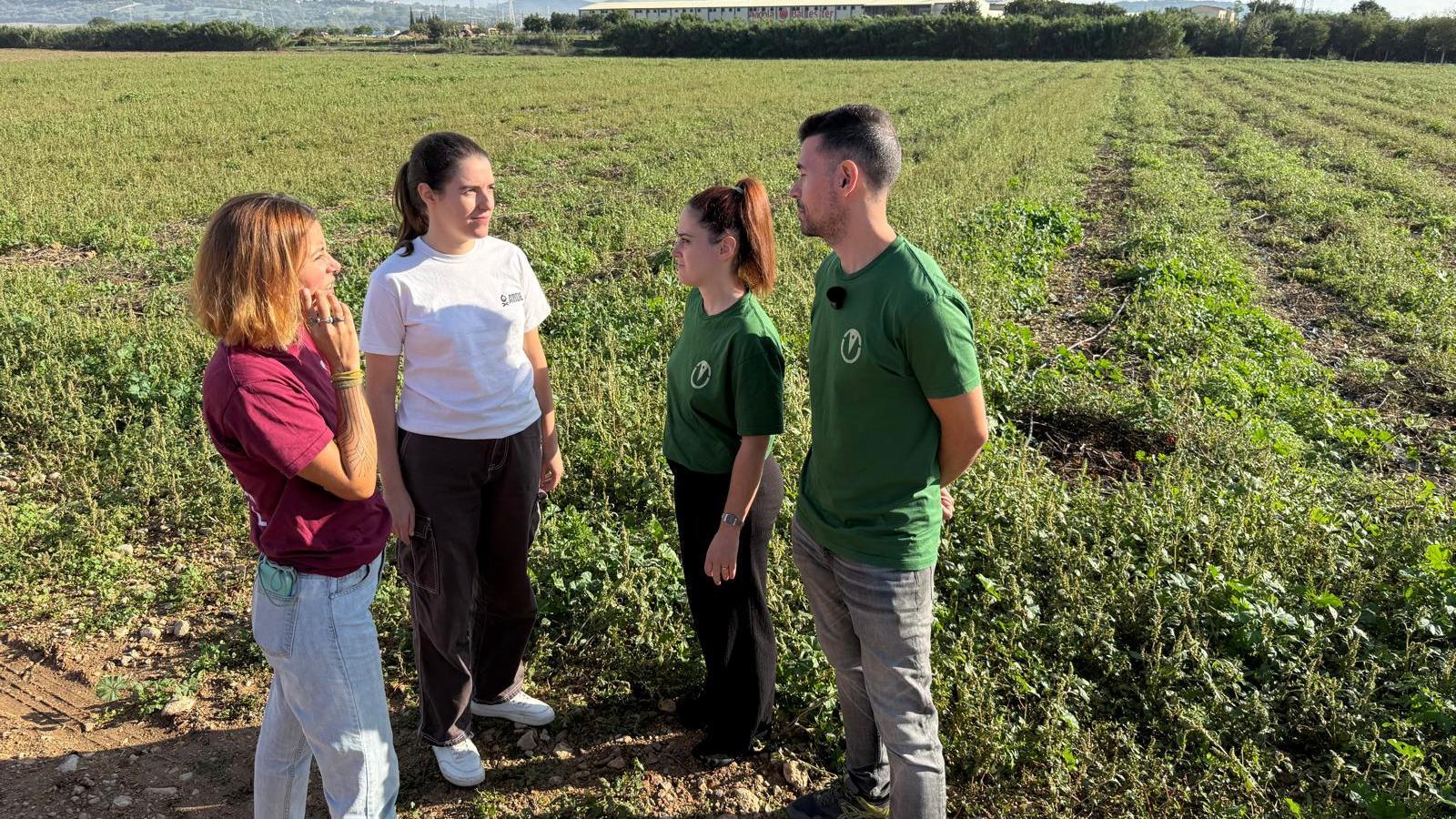
Jiménez made these statements in front of the Es Caparó farm, in Manacor, which ARDE and Satya Animal denounced this Wednesday evening. It is the second complaint in one week against farms owned by the same company. The organizations warn of the presence of dead and injured hens and animals trapped in manure; the complaint is based, among other elements, on a veterinary report regarding images recorded in July.
The animal rights organizations filing the complaint maintain that their statements are based on an expert veterinary report and images that, according to Jiménez, have been verified. At Es Caparó, a farm with an authorized capacity for more than 183,000 hens, he states that they have observed live and dead animals trapped in the waste pit, as well as carcasses inside and outside the cages. He also reported a lack of supervision of the facilities.
The spokesperson argued that, if the images affect sales, the responsibility lies with the company: “They are the ones who should be worried about what happens with their products,” he defended. Regarding the possibility that the company might claim commercial damages, Jiménez said that, if a lawsuit is filed, the organization will respond in court. “We will provide whatever explanations are necessary,” he assured.
Gimeno has also criticized the response from the Department of Agriculture, which he considers “very lukewarm” and with a “tendency to downplay the facts.” Likewise, he has argued that the images can serve as evidence even if they are not current, provided they are verified. According to Jiménez, the mistake is to talk only about the current situation of the farm. “Any video can serve as evidence if it is verified,” he stated, and he compared the case to the recordings of drivers who circulate at high speeds and who can be sanctioned in accordance with these graphic documents.
