Tired of so much light

I was listening to Catalunya Ràdio. In a discussion among young people, the kind that are common now and talk about social networks and influencers, they addressed a concept that is starting to gain traction even among what are now called ‘content creators’ and who in the past must have been called ‘people with a profile’ or simply ‘common folk’. The discussants said that even these very same ‘influencers’ who charge thousands of euros to publish posts where they slip us hidden advertising for clothing brands, cosmetics, and all sorts of products, are now apparently tired. They suffer from ‘digital fatigue’. One might think we're talking about itchy eyes, headaches, physical and mental exhaustion... But it goes further than that. They've grown tired of themselves and their peers. They can't take it anymore. There are already content creators who are fed up with having to create every day, and with every single thing they experience having to become original, entertaining content destined for the tedious enjoyment of today's scrollers.
In fact, scrollers are also affected by digital anxiety. They suffer from it when they don't have their phone in their hands, but it turns out they also feel this anxiety with their finger mechanically swiping across the touch screen of their devices. It would be the same as doing nothing, but keeping the brain busy with various trivialities, instead of pondering, thinking, imagining, or creating.
It has been news these days that the platform Meta, owned by magnate Mark Zuckerberg, which groups, among others, the social networks Instagram and Facebook and the instant messaging application WhatsApp, has returned to court. They are accused of intentionally creating addiction among their users, especially the youngest ones. And they certainly achieve it. More or less everyone spends hours in front of their phone or in front of the screens of other devices where we also have all these same resources readily available.
The time is approaching to set foot firmly on screens. It is more difficult than it seems. Today many professions, I'm thinking now of mine, that of a teacher and that of a journalist, are closely linked to the use of screens, with all that this can imply nowadays. But yes, the bans on social media use before the age of 16 have already begun, various European regulations have also established the return to textbooks and paper to the detriment of computers, chromebooks and other digital gadgets. It will be necessary to see what real impact all this can have in the face of the seemingly unstoppable advent of artificial intelligence, which in no time has also taken over our lives.
A post from content creator Carla Clavera appeared to me not many days ago, in which she echoed an article published in La Vanguardia by Laura Freixas. ‘The beauty of the world’, she titled it. Oh! “The beauty of the world is what man puts into it”, our Miquel Àngel Riera already said it at the time, in that vitalist and profoundly humanist vindication of that beautiful book titled The beauty of man.There he said, Freixas, in that article, that authors of the 20th century had the strange capacity to enjoy the world through hearing, sight, touch, smell. Then, however, it wasn't strange. It is now, that it has returned. It is now that authors have prioritized ideas and abstractions and have overlooked the natural beauty of concreteness. What has caused this? Technology. 21st-century readers, even those of us who grew up in the last century, are thirsty for action. Slow description bores us. We have re-educated ourselves in intensity and today we are incapable of embracing extensive literature, long films, leisurely conversations.
And so this access manipulates information, this algorithmic life in which we are immersed has turned what should be the critical mass into a docile army of string puppets accustomed to only hearing what they like to hear. Pla said that “it is much more difficult to describe than to give an opinion,” and perhaps that is why today, with a digital shout, everyone feels legitimized to give an opinion, even knowing that when they do so they contradict the true reality. Facebook and Twitter are today jungles of hate, paradises of the absurd where it seems that only those who rave the most prosper.
This summer's initiative of outdoor dinners in the streets of Palma takes on a double value: on the one hand, the recovery of spaces that were previously for residents; but on the other hand, also, neighborhood coexistence, the necessary fortune of knowing who lives next door to us. The networks have abducted us, they have distanced us from others and have turned us into digital and solitary octopuses with a screen in each tentacle. Individualism and solitude: the recipe of Big Brother's capitalism to prevent any attempt at rebellion.
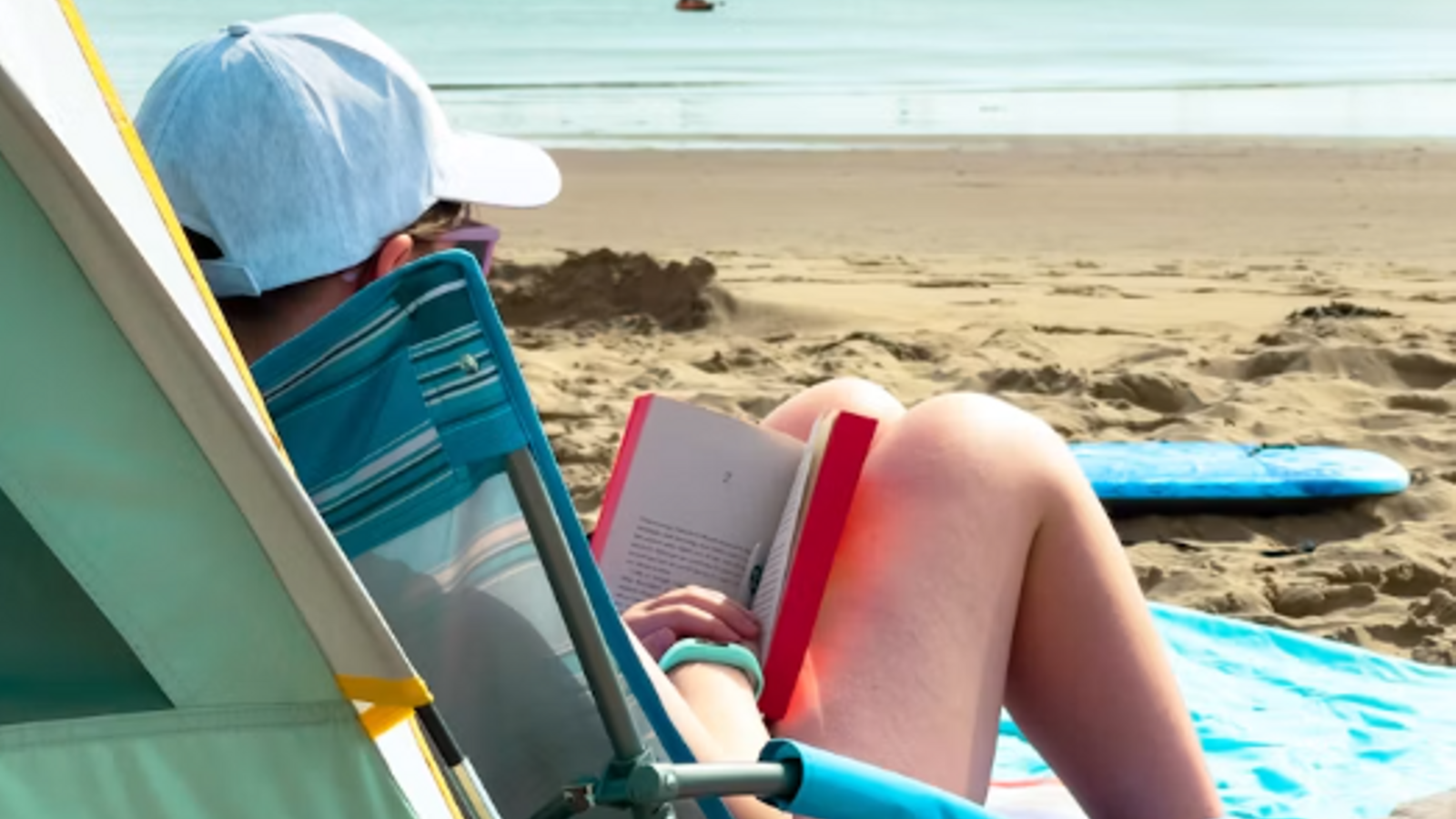
Perhaps we will know how to stop it, perhaps each one from his little corner will know how to curb the dependence on the light of the screens and reconcile himself with the generous clarity of the world. Let's return to the peace of books and rocking chairs, to the calm of the sea at dawn, to the distant song of the larks running through the stubble of the night.
