Where the future of cancer research is decided
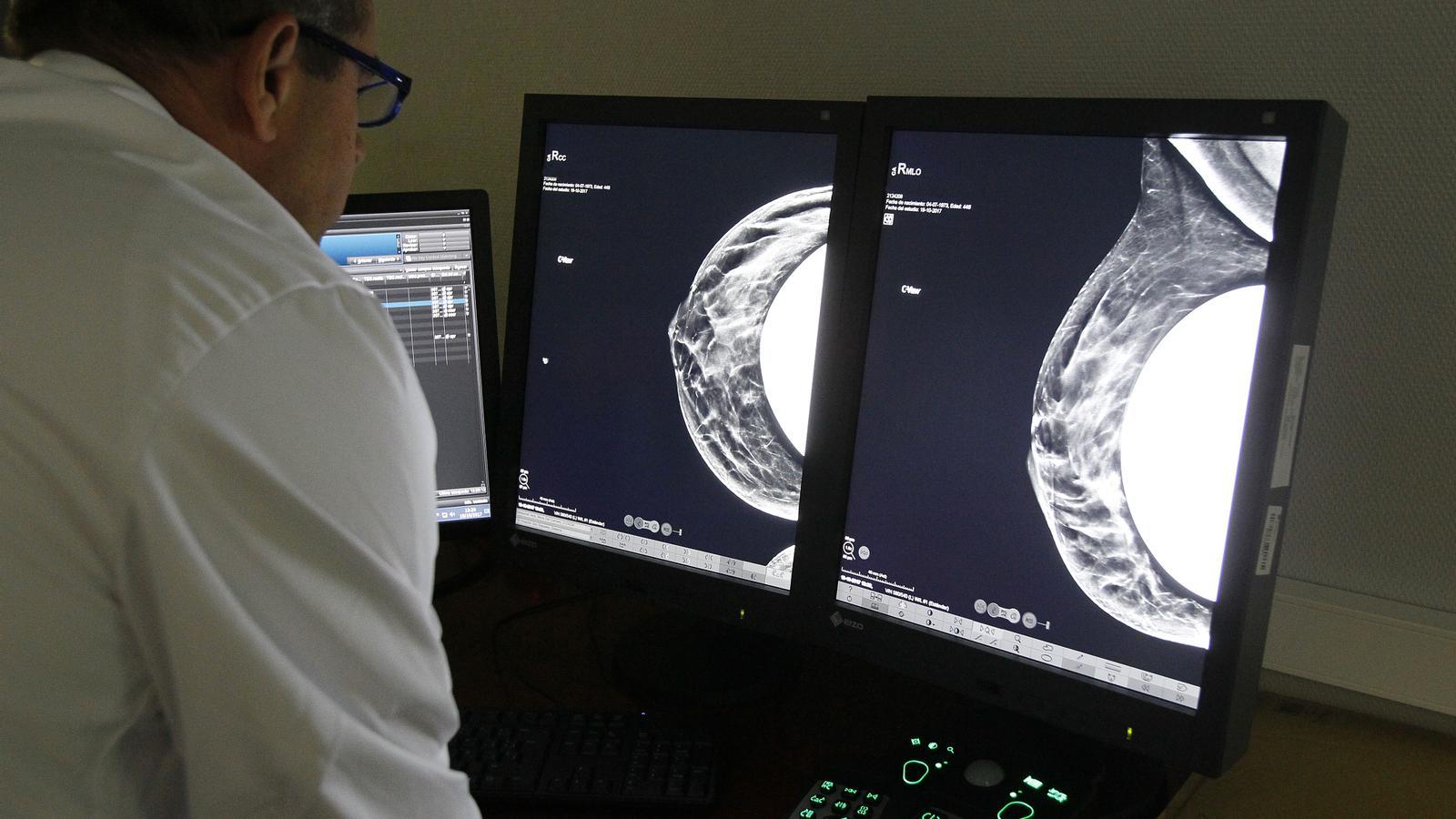

I'm packing my suitcase as I write. I'm traveling to San Diego for the first time for the Annual Meeting of the American Association for Cancer Research –the AACR–, the world's largest congress for cancer research. Years of working in translational and clinical cancer research and I had never been! Now it's time.The AACR was born on May 7, 1907, among 11 physicians and scientists gathered at the Willard Hotel in Washington D.C. with a mission as simple as it was ambitious: to research and disseminate knowledge about cancer. The first scientific meeting took place a few months later in New York, where nine communications were presented in a small room. Now the congress brings together more than 22,000 participants from 142 countries, with thousands of abstracts and hundreds of presentations covering everything from the most basic biology to the most advanced clinical trials. In just over a century, humanity has gone from having almost no tools to combat cancer to having therapies that, in some cases, completely cure it.This year's scientific program is themed ‘Precision, Association, and Purpose’. Among the most interesting sessions is the inaugural conference by Carl June, a pioneer in CAR-T therapies – which we have already discussed in this space – who will present advances in extending these immunological tools to solid tumors, which has so far been the major pending challenge. The other two topics with the most weight on this occasion are the revolution of artificial intelligence in oncology (it couldn't be missing) and the alarming increase in cancer in young adults, as well as innovations in monitoring residual tumors after treatment.AI in oncology is no longer a promise: algorithms like those of Regina Barzilay, from MIT, learn to detect patterns in images and clinical data with a precision that, in some contexts, can surpass the human eye. The potential to improve early diagnosis and personalize treatments is enormous. At the same time, a plenary session dedicated to why more and more young people are developing cancer raises uncomfortable questions about the environment, diet, and biological factors that we still don't fully understand.The most exciting thing about visiting conferences like this is being able to hear firsthand – and hear from the researchers themselves – the data from clinical trials and understand the biology behind each treatment: how we got here, and where we are going. Cancer science advances when it is shared, when an idea born in a Boston laboratory crosses the room and lands in the mind of a clinician in Tokyo or Barcelona. And San Diego, this week, will be the place where the most sharing happens in the world.
