GOV, Arrels Marines and affected neighbours of Alcúdia warn of the impact and urban pressure that the electrical cable between Mallorca and Menorca could cause
The entities request that the environmental study accompanying the project be reviewed and have submitted objections
-
CAT -
CAST -
DE
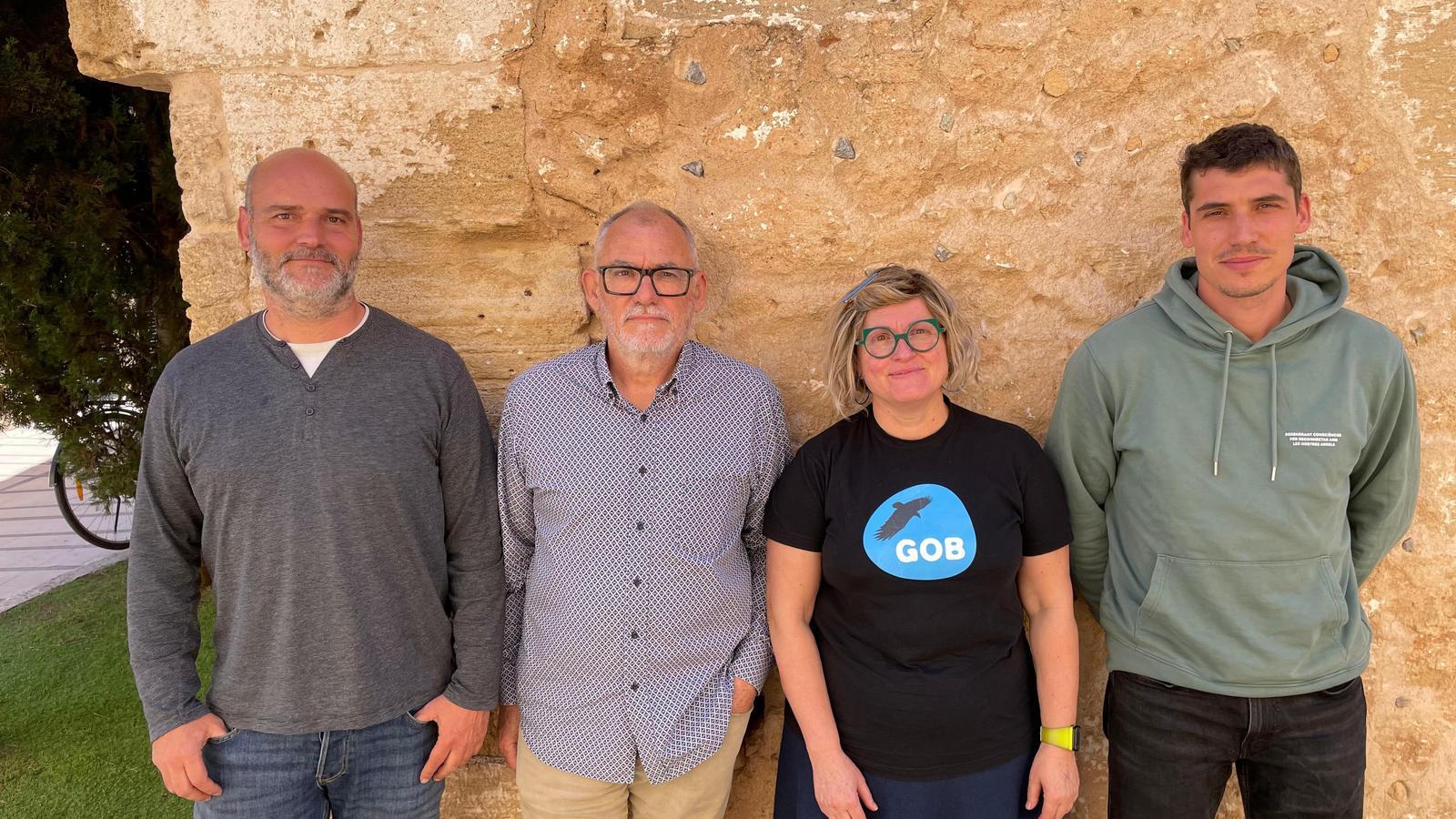
AlcúdiaThe GOB Mallorca, Arrels Marines, and the affected property owners' association ANACA warned this Wednesday that the project for a second electricity cable between Mallorca and Menorca is not a viable solution in its current terms and have called for a thorough review of the environmental impact study. They stated this at a press conference in Alcúdia, where they also presented the objections they have registered within the framework of the project's processing.
As they explained, Red Eléctrica's environmental documentation "presents shortcomings and discrepancies with other available technical reports," stated Tonina Siquier, GOB spokesperson. This fact, they consider, leaves "too many open questions about the real impact of the works on the seabed," in the words of one of ANACA's representatives, Miquel Amorós. Therefore, they request that the Ministry for Ecological Transition oblige the preparation of a second report that clarifies the project's scientific basis and the different routing alternatives.
The organizations have placed special emphasis on the potential impact on protected marine areas such as the bays of Pollença and Alcúdia and the Menorca channel, included in the Natura 2000 network. They warn that the project could affect sensitive habitats such as Posidonia, rhodoliths, and coralligenous, as well as species like the noble pen shell and the sperm whale.
Beyond the direct impact, the organizations have also warned of indirect effects that they consider relevant and which have not been sufficiently evaluated, such as the increase in energy consumption capacity associated with new infrastructure, the reinforcement of a tourism and urban planning model of greater pressure, and the possible proliferation of battery parks in rural land, which they describe as a risk of energy speculation.
Amorós insisted on the importance "of focusing on the administrative process and the lack of time to analyze all available technical information," including recent reports commissioned by local institutions. Both the ANACA representative and the other spokespersons for the organizations recalled that the Alcúdia municipal plenary has already unanimously requested that the alternatives be reconsidered.
In this context, the three organizations agree that the project, as it is currently planned, does not meet sufficient criteria of environmental and territorial rigor, and they demand that it be halted or thoroughly reviewed before continuing with its processing.
