The platform against batteries warns that Almadrava could be "just another farm"
The residents of Pollença denounce that the second project on rustic land confirms the risk that these facilities will be repeated on other plots if their location is not regulated
-
CAT -
CAST -
GER
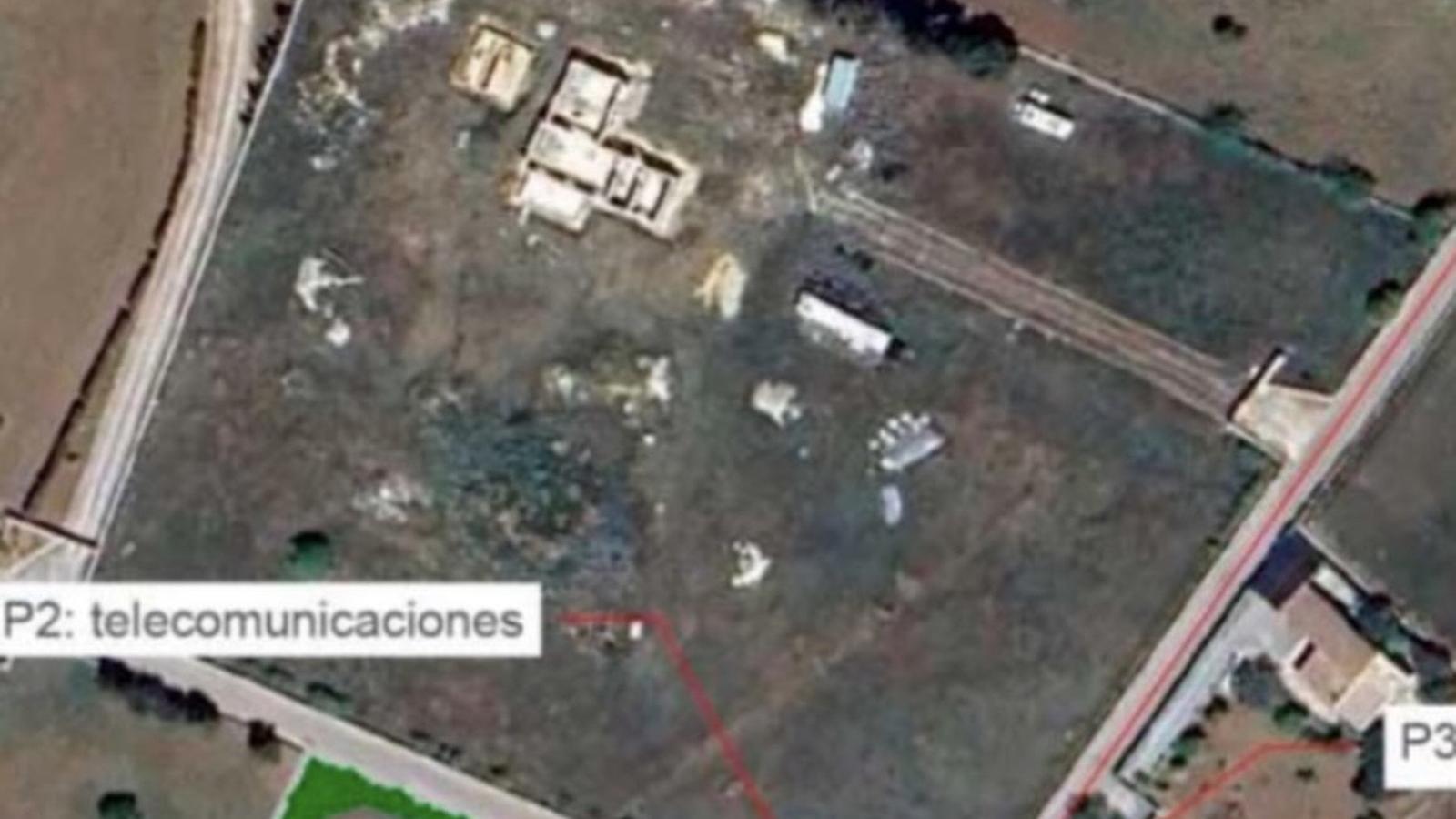
PalmaThe platform against lithium batteries in Pollença has reactivated after learning of a second energy storage project on rural land, this time in the Almadrava area. Following the neighborhood mobilization against the plant planned last year in Llenaire, those affected consider that the new case confirms that the conflict was not isolated, but that it can be repeated on other properties in the municipality as long as there is no clear regulation.

“It cannot be that one day Mallorca is sold as a green economy and the next day this type of industry is wanted to be placed on rustic land,” criticizes José Manuel Ariza, a member of the platform. The phrase summarizes the core of the neighborhood discontent: those affected do not question the need to advance in energy storage, but they demand that these facilities be located in industrial zones and not in agricultural environments, near homes, wells, streams, and flood-prone areas.
From Llenaire to L'Almadrava
The new project arrives when the first file that mobilized the neighbors last year has not yet been resolved. According to Ariza, the platform has not yet received a response to the allegations submitted at the end of November against the plant planned in Llenaire. That project already caused the rejection of neighbors and local entities, who warned of the risks of installing lithium battery containers on rustic land.
Now, the appearance of a second proposal in Almadrava has reopened concern. "I think it won't be the last property to come out," warns Ariza. According to the platform, companies are looking for plots near the electrical substation and taking advantage of the lower cost of rustic land compared to an industrial estate.

A floodable property
One of the main arguments against the Almadrava project is its location. Residents assure that the property is recurrently flooded when it rains heavily. In fact, in recent days, images have been circulated of the plot completely submerged in water.
“Every year when it rains a little hard, the same thing always happens,” explains Jordi, a member of the platform and directly affected. According to him, the water that comes down from the upper part ends up accumulating in these properties and can remain there for days. Therefore, those affected consider that the floodability of the area should be a determining factor when evaluating the viability of the project.
The platform also warns of the proximity of wells, aquifers, streams, and homes. Residents criticize that they are the ones who have to commission reports to demonstrate the risks of the land. According to their complaints, companies present projects and it is the affected parties who have to respond with technical studies and allegations.
“This is an industry”
The debate, for the neighbors, is not only environmental, but also territorial. The platform argues that a battery plant is an industrial infrastructure and that, therefore, it should go into a prepared space, with safety measures, adequate access and emergency services.
“This is an industry, not a bean patch,” says Jordi. The affected parties insist that rustic land cannot become the cheap alternative for companies looking for space near the electrical grid. According to the platform, if a clear regulation is not established, companies can continue to look for other properties in the municipality until they find owners willing to accept an offer.
Fire, smoke, and noise risks
The platform also warns of the risks associated with lithium batteries. Ariza recalls that these projects may include large containers and that, in case of overheating, a thermal runaway, an explosion or a fire can occur.
According to him, a fire in a battery container cannot be extinguished like a conventional fire. Firefighters, he says, could only cool the surroundings while the material finishes burning. "It can smoke for three or four days," he warns. Residents also point to the noise of the cooling systems, as each container needs turbines to maintain the appropriate temperature.
This scenario is particularly worrying in a tourist municipality like Pollença. The platform considers that an incident during high season could have environmental, health, and image consequences for the municipality.
The affected parties emphasize that the Pollença City Council has listened to them and supported them, but they recall that the final competence is not municipal. Therefore, they call for regional or state regulations that prevent these facilities from being located on rural land and limit them to industrial zones.
The platform believes that the problem is the legal loophole that allows these types of projects to be processed in agricultural settings. According to Ariza, if the regulations were clear and prevented these facilities from being outside industrial estates, companies would stop looking for rural properties.
The cost for residents
The affected parties also denounce the economic cost they have had to bear to defend themselves. In the first project, several residents paid for technical reports and legal advice out of their own pockets to submit well-founded objections.
According to their accounts, the environmental report commissioned to oppose the first plant exceeded 10,000 euros. "At least we have done everything we could," they point out, while admitting that they have no guarantee that the projects will ultimately be discarded.
Call to the town and to the owners
The platform wants the conflict not to be reduced to the directly affected neighbors. Jordi calls on owners of rural properties to think about the consequences before accepting offers from companies interested in these types of installations.
“It’s not just that farm alone, there are fifty around it,” he warns. According to his defense, the problem affects the entire environment and could end up splashing into other areas of the municipality. “Today it has been placed there and next week it could be placed somewhere else,” they summarize from the platform.
The neighbors are preparing new allegations, a signature campaign, and do not rule out mobilizations. Their claim is clear: batteries yes, but not on rural land or at the expense of the territory.
