Tunisia and the Balearic Islands share experiences to face drought and climate change in the countryside
A Mediterranean cooperation initiative promotes the exchange of knowledge between Tunisian women farmers and agents from the Islands in areas such as agroecology, water management, and rural resilience
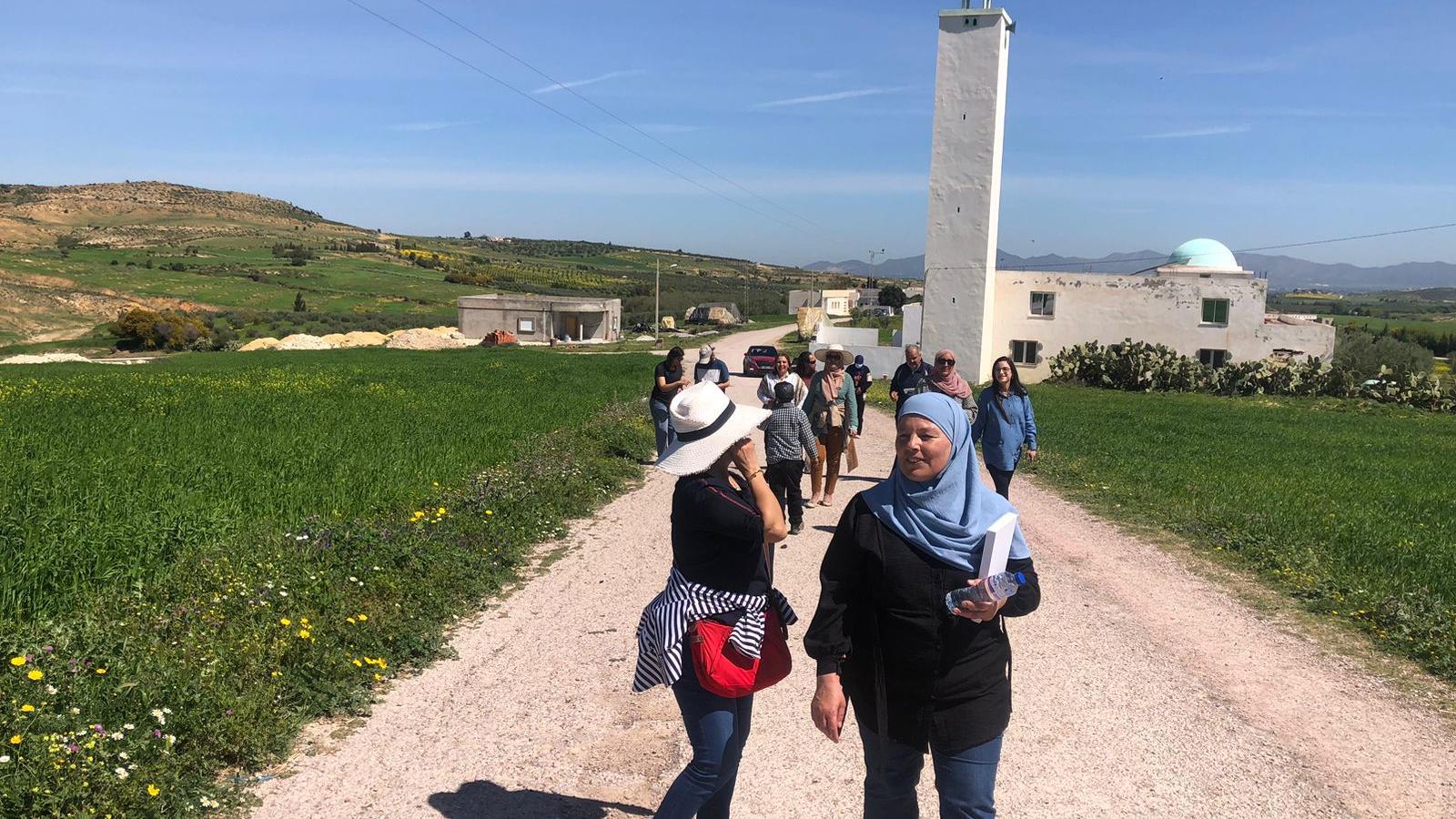
PalmaTunisia and the Balearic Islands share increasingly similar challenges regarding drought, climate change, and the future of agricultural activity. In this context, a Mediterranean cooperation initiative promoted by the Assembly of Cooperation for Peace (ACPP) has brought together experiences from Tunisian agricultural communities with those of the Islands to exchange knowledge and adaptation strategies in the face of climate change effects.
The project has worked particularly with women farmers in Tunisia, who have incorporated knowledge on how to mitigate the effects of the climate emergency through permaculture and agroecology, but also on governance and economic management.
The collaboration has allowed for the sharing of experiences and the generation of alliances between the two Mediterranean territories, with the aim that solutions developed on the ground can be shared and adapted to other communities facing similar problems.

Women farmers and local economy
One of the project's lines has been to strengthen the role of women in the agricultural and economic activity of their communities. In this regard, the exchange of knowledge and the creation of alliances with actors in the ecotourism sector have been promoted.
A brand has also been launched that represents women farmers from four municipalities and allows them to participate in local fairs, such as the Kounouz Ben Arous initiative. The objective is to give greater visibility to their products and strengthen their ability to generate income linked to agricultural activity. This economic dimension is combined with a commitment to training and female leadership, with tools for producers to have greater decision-making and management capacity within their communities.
The project has also incorporated technologies and practices to increase resilience to drought. Among the measures applied are the installation of tanks to collect rainwater and composting systems for organic waste. These are actions aimed at making better use of available resources and reducing the vulnerability of farms to increasingly extreme climatic conditions.
What can the Balearic Islands learn from Tunisia?
The cooperation between Tunisia and the Balearic Islands shows that many of the problems faced by agricultural communities in North Africa also directly concern Mediterranean island territories.
Efficient water management, the adaptation of agricultural systems to drought and new climatic conditions, cooperation between producers, and women's leadership are some of the areas in which the exchange of experiences can generate shared knowledge. The initiative thus proposes Mediterranean cooperation as a tool to seek common responses to a climate crisis that knows no borders. For the Balearic Islands, the experiences developed in Tunisian agricultural communities can offer new perspectives on how to make the agricultural sector more resilient in the face of water scarcity and climate change.
