When irregularity is the norm: Most houses on rustic land in Mallorca would be illegal
The research 'Houses that do not exist' warns of the territorial impact of an extensive model and points out that 73% of constructions would not comply with current regulations
-
CAT -
CAST -
DE
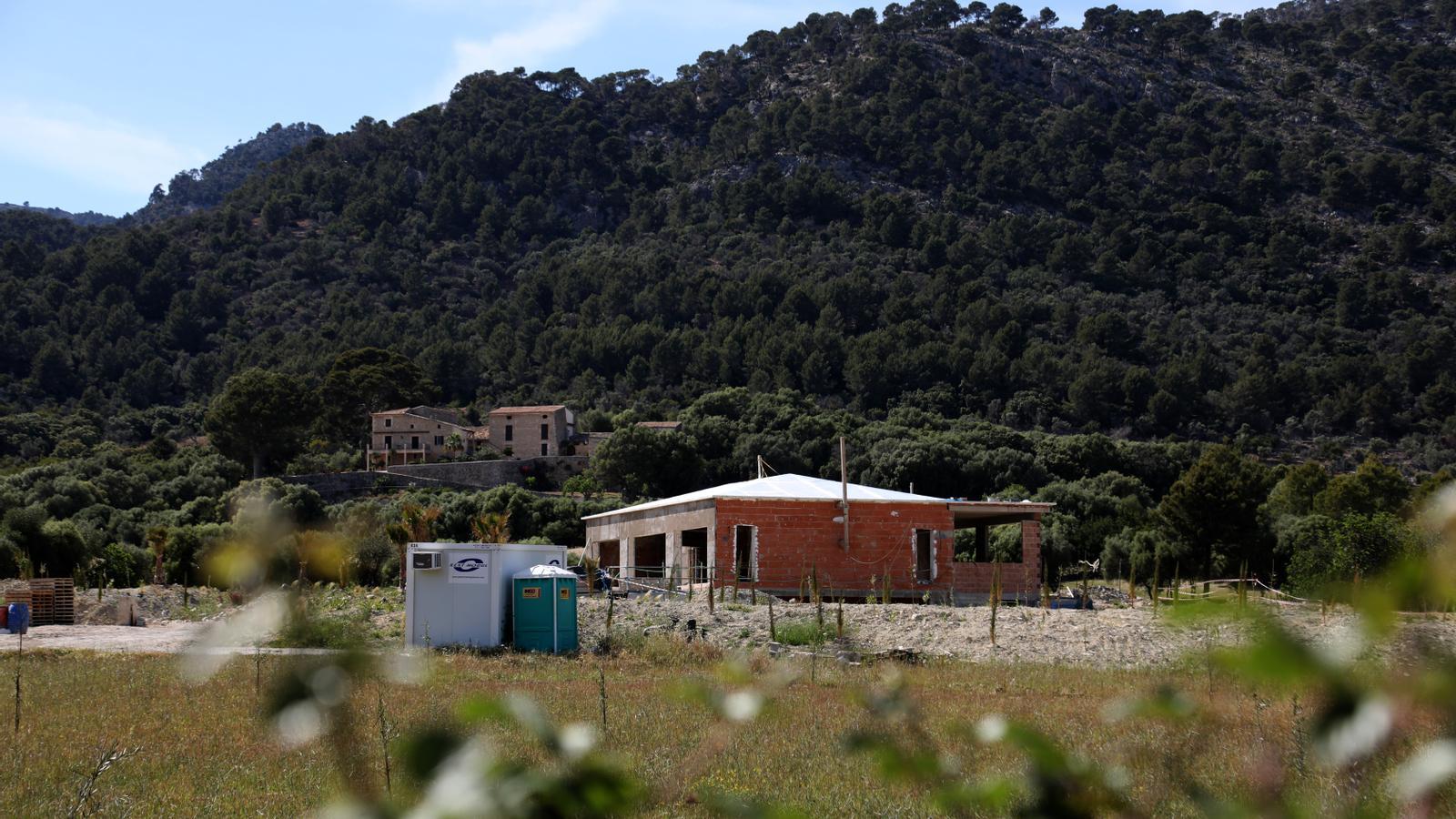
PalmMallorca has 55,256 homes built on rural land, 15,817 of which could be contrary to current urban planning regulations, according to data from the project Houses That Don't Exist, presented this Monday to the Official College of Architects of the Balearic Islands. The research, led by urban planner Miquel Rosselló Xamena, puts figures to a phenomenon often invisible in public debate: the proliferation of homes on rural land.
The study concludes that 73% of existing constructions would not comply with urban planning regulations today, a fact that highlights the magnitude of building growth outside urban centers in recent decades. The research combines data analysis, cartography, and citizen participation to map this territorial model.
In addition to the possible irregularity of part of the built park, the work also focuses on the environmental and territorial impact. Four out of ten homes on rural land have a swimming pool, while 7,831 are used for tourist rentals, a figure that reinforces the pressure on the territory. Likewise, 5,066 houses are located in flood-prone areas, a fact that highlights the vulnerability of a significant portion of these constructions.
The research can be consulted through the digital platform cqne.cat, an interactive tool designed to facilitate access to data for citizens, professionals, and institutions alike. The objective is to foster a more informed debate on the future of rural land on the island.
The dean of COAIB, Bernat Nadal, highlighted during the presentation that having rigorous information is essential to face territorial challenges. “Only with objective and accessible data can we make responsible decisions and move towards a more balanced and sustainable model,” he stated.
The project is part of a broader investigation into the urbanization processes of rural land in the Mediterranean and has had the support of the Fundació la Caixa and the MIT PKG Center. With initiatives like this, COAIB reaffirms its role as a space for reflection on one of the major structural debates in the Balearic Islands: the limits of growth and land management.
