Fuels shoot inflation in the Balearic Islands up to 4.4%
The CPI reaches the highest level since April 2023 and slightly exceeds the state average
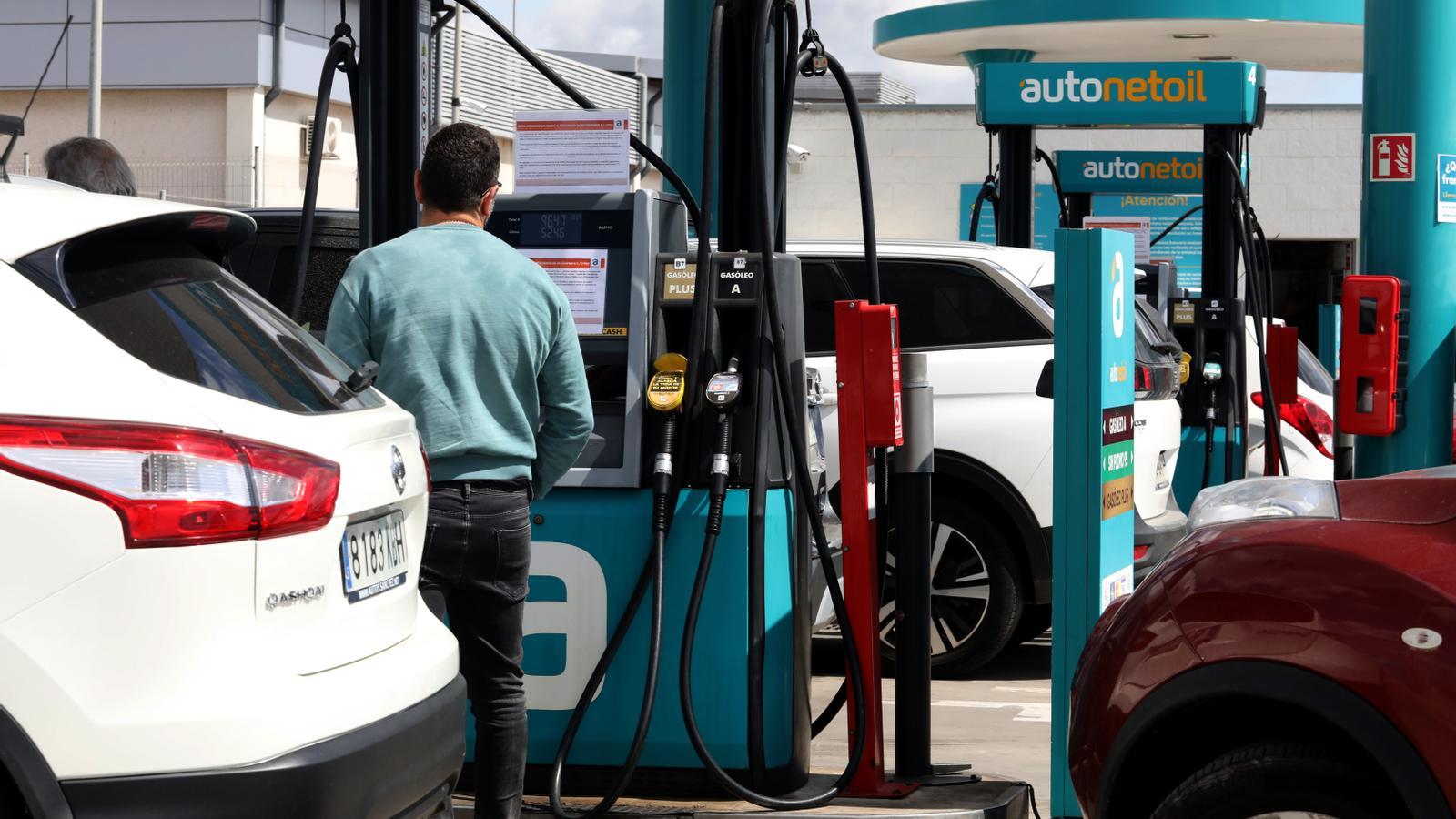
PalmaRefilling the tank is once again pushing up the cost of living. The rise in fuel prices has pushed inflation in the Balearic Islands to 4.4% in August, five tenths of a percentage point higher than in July and the highest rate since April 2023. The Islands are thus slightly above the national average, which stands at 4.3%, according to data published this Tuesday by the National Statistics Institute (INE).
Transport is 5.3% more expensive in the Archipelago than in August last year and has accumulated an increase of 6.8% since the beginning of this year. The INE attributes this rebound mainly to fuels and lubricants for vehicles, which have risen after having fallen in the same month of 2024.
The difference is particularly pronounced in the country as a whole: fuels and combustibles have become 21.3% more expensive in one year. This has caused national inflation to increase by seven tenths of a percentage point in just one month, from 3.6% to 4.3%. Transport registers an annual rate of 9.5%, more than three points higher than that of July.
The escalation of fuel prices comes amidst the energy shock caused by the war in Iran and the temporary reduction of the aid approved by the Spanish government. In fact, transport accounted for more than half a point of the monthly price increase recorded in Spain during August.
Hotels and restaurants
In the Balearic Islands, however, hotels and restaurants continue to be those that have raised prices the most. Catering and accommodation services are 8.2% more expensive than a year ago and have accumulated a price increase of 13.9% since January. Behind them are transport and expenses related to housing, such as water, electricity, gas, and other fuels, which have increased by 5% compared to August 2024.
Daily shopping does not give a break either. Food and non-alcoholic beverages have become 3.2% more expensive over the last year. Alcoholic beverages and tobacco have risen by 3.5%, while personal care, social protection, and other goods and services cost 3.7% more.
The rest of the increases are more moderate. Insurance and financial services have become 3.1% more expensive; information and communications, 2.9%; education, 2.5%, and recreational, sporting, and cultural activities, 2.3%. This last group still accumulates an increase of 4.4% since the beginning of the year.
Only clothing and footwear escape the general price increase. Prices have fallen by 0.2% compared to August 2024 and 13.3% since January, coinciding with the sales period.
The rise in general inflation contrasts with the evolution of core inflation, which excludes energy and fresh food because they have more volatile prices. This rate has fallen by one-tenth in the whole of Spain and stands at 2.9%. The difference reinforces the weight that energy has had in the acceleration of the cost of living.
The Balearic Islands are not the territory with the highest inflation, but they do exceed the state average. Cantabria leads the ranking, with 5.1%, followed by Galicia, with 4.8%. Castile and León, Castilla-La Mancha, and Madrid reach 4.7%. At the other extreme are the Canary Islands, with 3.8%, and Asturias and La Rioja, with 3.9%.
