Open House Palma opens the doors of the city, from the Gesa building to the neighborhoods
The sixth edition of the architecture festival will offer visits to around fifty buildings from November 13 to 15 and proposes, under the slogan 'City of Water', to rediscover the heritage and the relationship of Palma with water resources
-
CAT -
CAST -
DE
PalmaThe old Gesa building, the Temple towers, the Metropolitan cinema in Pere Garau, or a renovated apartment in the Fénix building are some of the spaces that can be discovered from an unusual perspective this November. Open House Palma will once again open the doors of public and private buildings that often have restricted access, with around fifty visits scheduled between November 13th and 15th. The sixth edition of the festival, which begins on the 9th with preliminary activities, invites you to tour the city beyond its most well-known monuments and to view it through its architecture, its history, and its relationship with water.
Under the title 'City of Water', the festival aims to focus on how water resources have conditioned the urban growth and architecture of Palma. For this reason, in addition to the open house days, the program includes talks, exhibitions, and walks through neighborhoods such as Molinar, Jonquet, Son Gotleu, Soledat, and Son Quint, which share, in one way or another, a history linked to water.
From GESA to neighborhood cinemas
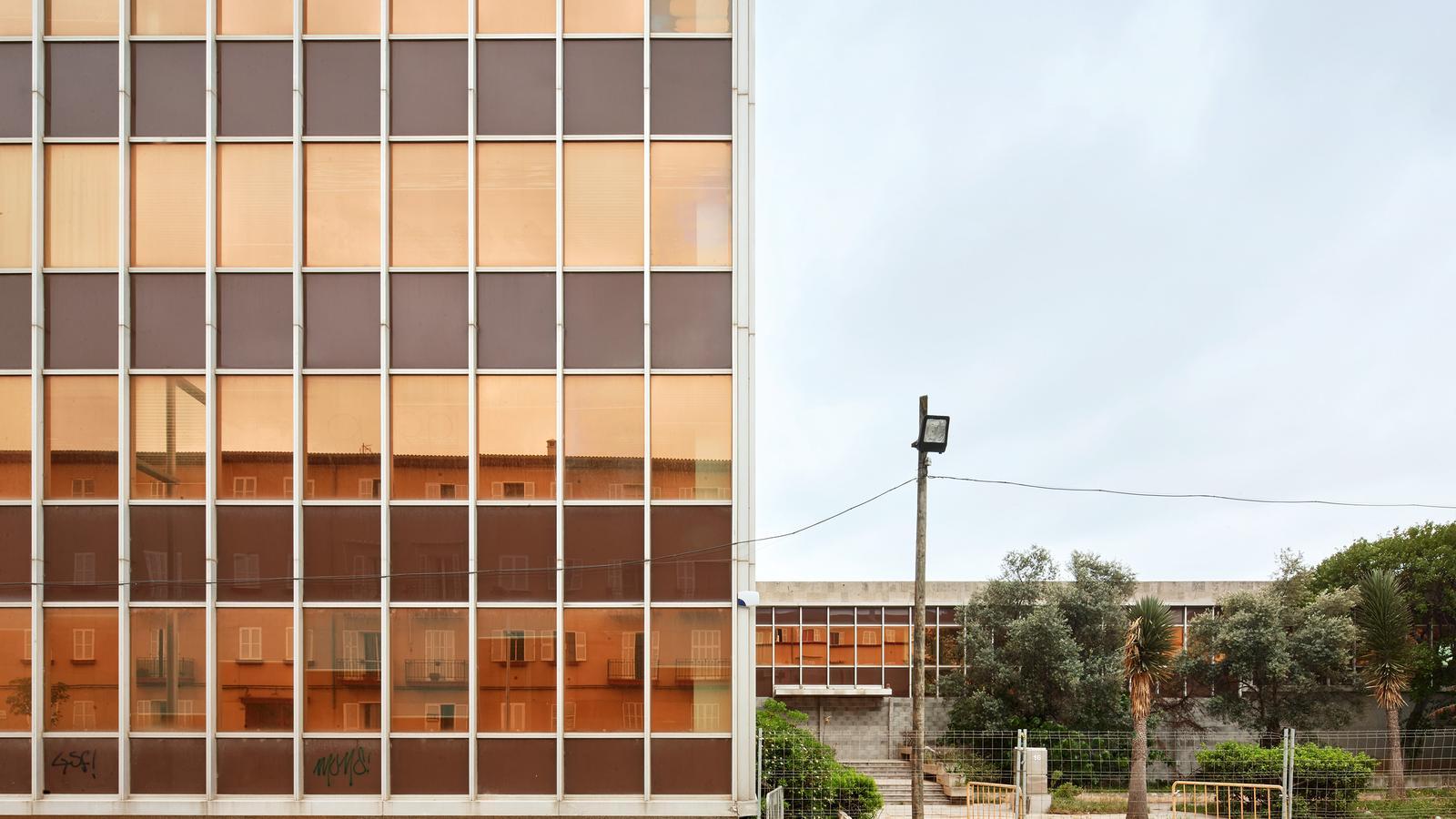
One of the great attractions of this edition will be the old GESA building, the work of architect Josep Ferragut and pending rehabilitation. The visit will allow access to an iconic building of modern architecture in Palma. To enter, however, it will be necessary to register in advance through the festival's website.
The list of visitable spaces also includes the old Metropolitan cinema, in Pere Garau; the Terreno Barrio Hotel; a renovated apartment in the Fénix building, on the Passeig Marítim, and the old Rosales cinema, in Coll d'en Rabassa. The route will be completed with heritage buildings such as Cort, the Cathedral, the March Palace, the Llotja and the Consell Palace.
The diversity of eras and uses is one of the features that the festival director, Belén Martínez, has wanted to highlight in this sixth edition. Among the additions are the IES Ramon Llull, the oldest secondary education center in Mallorca; the Palma cemetery, with two centuries of history and expansions from different periods, and the Temple towers, of Islamic origin.
A city marked by water
The thematic thread of the edition will also be reflected in various specific activities. On Thursday, November 12, Can Balaguer will host the talk Three Water Architectures, with the presentation of three reference projects by speakers from the national sphere.
The program also includes visits to buildings related to water usage, such as the Caragol mill, the Casa Blanca mill, and the Cal Tio de Son Pelat mill, on the Vella de Sineu road. On Tuesday, November 10, a guided tour of the Dimonis mill will take place, located near La Real and with origins dating back to the 13th century. The Arab Baths, the La Real monastery, and the Maritime Museum of Mallorca are also part of this journey through the city's water memory.
The headquarters of the Official College of Architects of the Balearic Islands (COAIB) will host the exhibition Palma City of Water, developed in collaboration with the ADEMA design school. The exhibition will bring together the students' reflections on water resources and their relationship with the urban environment.
Professional debates and music at Can Balaguer
Among this year's new features is the Open House LAB, a professional conference aimed at the cultural sector that will take place on Friday, November 13, at Es Baluard Museu. The initiative aims to open a space for exchange on accessibility, measuring the impact of activities, and economic sustainability. Accessibility activist and cultural mediator Costa Badia will participate.
Friday's session will end with a musical proposal in the courtyard of Can Balaguer. Starting at 8 p.m., the Pityusic duo Arannà and the DJ and producer Prof. Mullet will perform, in an evening that will combine sounds of traditional roots and contemporary music. Access will be free and open to the public.
Open House Palma is part of the international Open House Worldwide network, present in more than 60 cities. The festival is based on citizen participation and has more than 300 volunteers, who act as guides and collaborate in the organization of visits and access to buildings.
The complete program, schedules, and conditions for registration for the visits can be consulted at openhousepalma.org.
