The challenge of learning Catalan when you arrive in Mallorca without knowing the language
High schools accompany newly arrived students in learning Catalan
-
CAT -
CAST -
DE
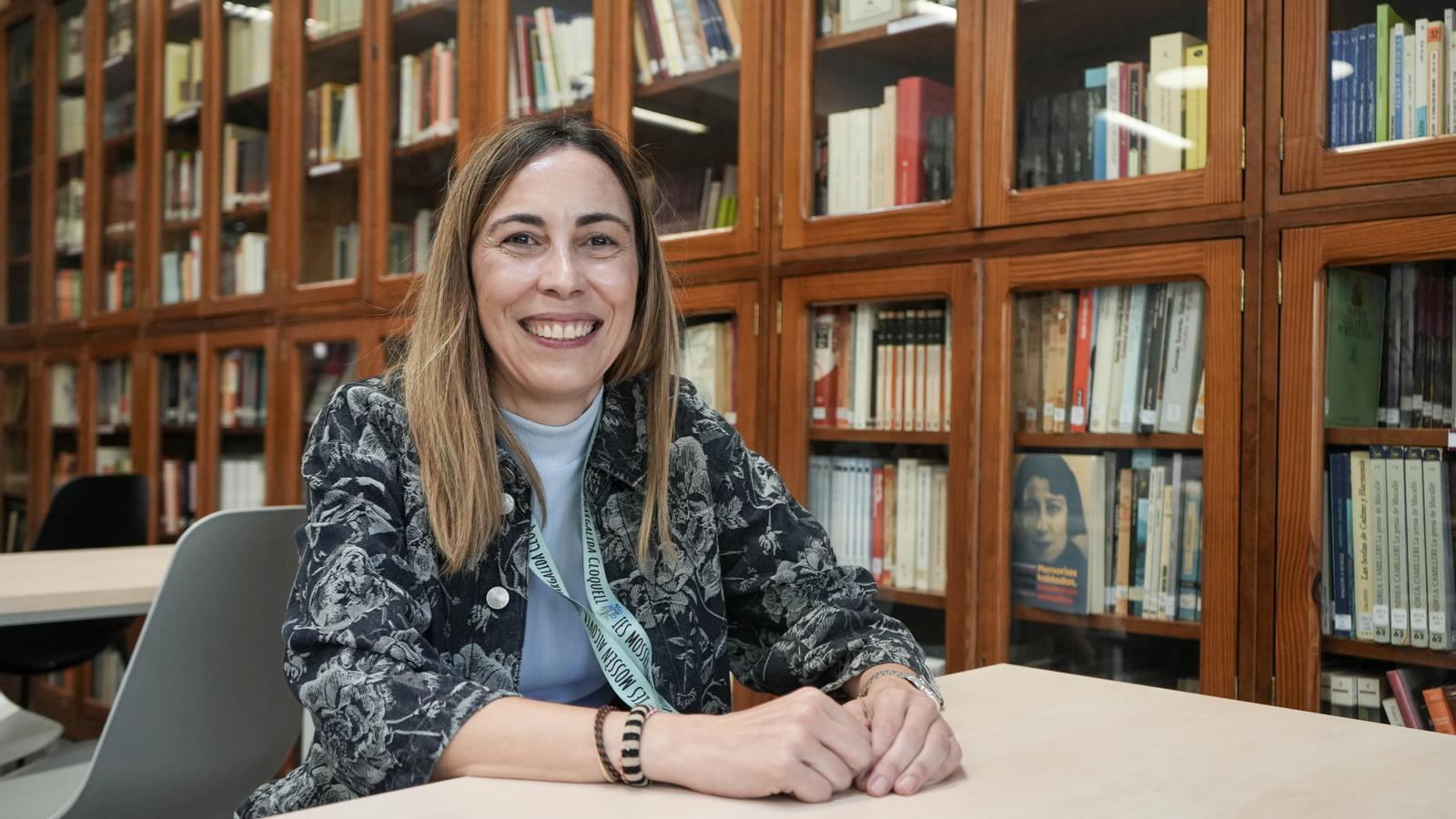
PalmaThe Linguistic and Cultural Reception Plan supports newly arrived students in learning Catalan at secondary schools. Margalida Cloquell has been the PALIC coordinator at IES Mossèn Alcover for eight years. She is the point of contact for late-enrolling students who do not know Catalan, and she works in a coordinated manner with various professionals. “When a newly arrived student who does not know Catalan joins the school, information is collected about the languages they know, their previous schooling, and their linguistic and curricular competence is assessed,” she explains.
Regarding social changes, one of the most visible is the diversity of the students' origins, languages, and academic backgrounds. This diverse reality “constitutes a richness for coexistence and learning, but it also makes it necessary to plan specific reception, accompaniment, and linguistic support measures that facilitate positive integration into the school and progressive access to the ordinary curriculum,” she asserts. Regarding the students' origins, “in 2018 more came from the Maghreb, while currently we receive more students from South America, in addition to one or two students from other European countries and other” non-Catalan-speaking communities.
The Catalan learning process varies according to each student's trajectory. Coming from a specific country is not enough to explain these differences. Some students who already speak Spanish may resort to it more often because it allows them to communicate in many contexts, while the age of arrival and the years spent in school here can favor a better command of Catalan. However, knowing it does not always mean using it habitually; for this reason, PALIC also seeks for students with other heritage languages to gain confidence to use it with peers and teachers.
The situation is different when a student does not know either Catalan or Spanish. In that case, “the most immediate needs are to feel welcomed and safe, to be oriented within the school, and to have basic tools to communicate.” To do this, they use visual aids and activities linked to everyday situations.
However, the PALIC teaching staff faces significant limitations: “resources and organizational possibilities do not always allow for offering the intensity and continuity that each student needs,” which translates into the fact that “some students do not manage to achieve basic communicative skills in Catalan” during the time they are being accompanied. Attitudes towards Catalan are diverse and can evolve, but the shame of not understanding it or of making mistakes can hinder its use among students who have another heritage language. A climate of trust and positive experiences helps students to practice it. PALIC, the Linguistic Commission, the facilitator, and the educational community work so that Catalan is also present in these daily and informal relationships.
