Ben Amics judicializes the Pride conflict and denounces the Palma City Council
The entity presents a criminal complaint for the alleged irregularities in the contracting of the LGTBIQ+ festival revelry and another against councilor Lourdes Roca for alleged coercion and intimidation
-
CAT -
CAST -
GER
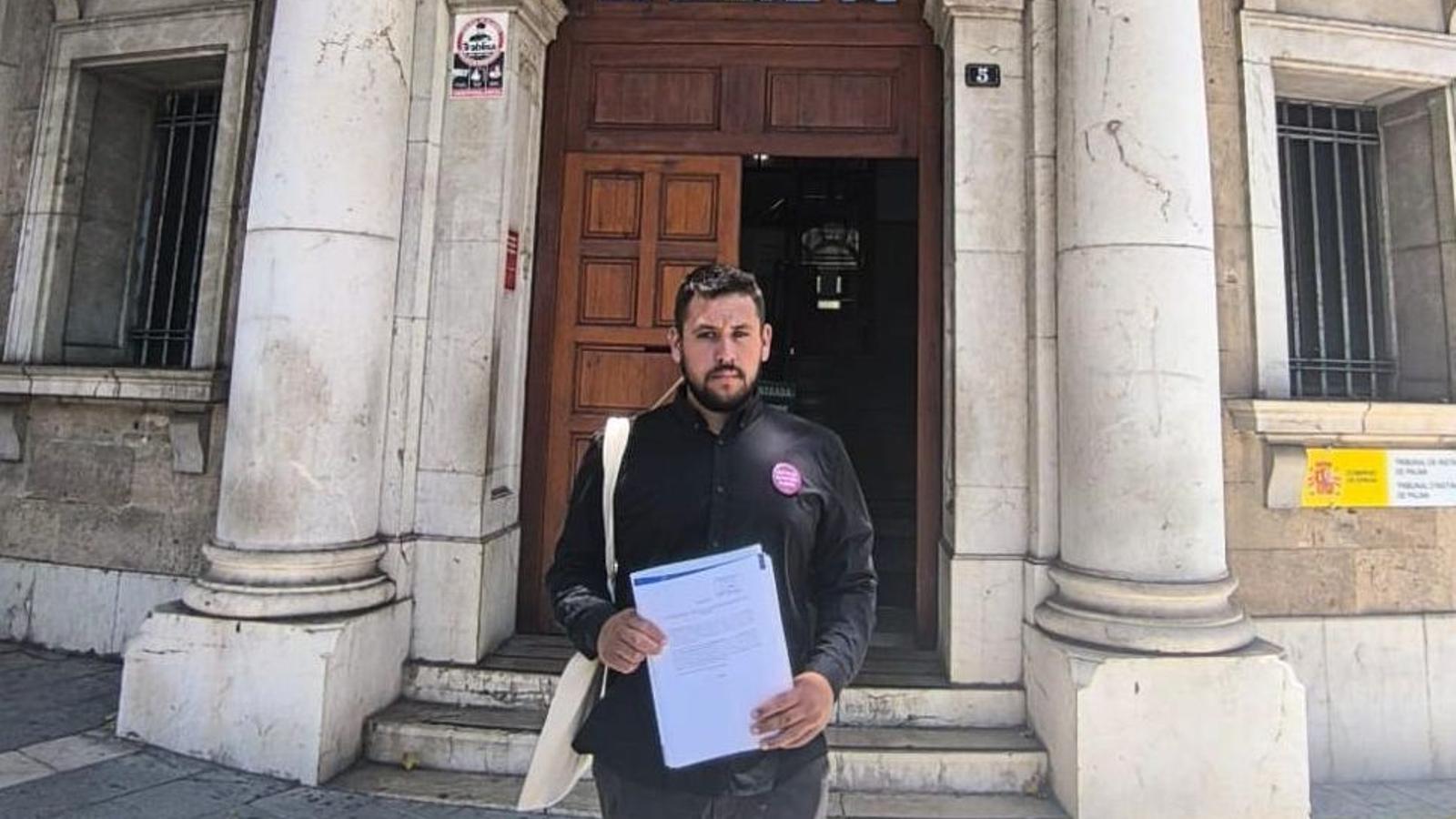
PalmaThe conflict over the organization of Palma Pride took a step further this Friday and has now reached the courts. Ben Amics has filed a criminal complaint against Palma City Council for alleged irregularities in the hiring of the company responsible for organizing the Pride celebration, and another complaint against the second deputy mayor and councilor for Social Services, Lourdes Roca, whom they accuse of "intimidation and coercion" following statements she made after the entity publicly questioned the procedure.
The association maintains that its claim has always been limited to demanding transparency in the contracting process and regrets that the City Council's response has been "an attack against the association." Specifically, it denounces that Roca accused them at a press conference of "threatening" artists and announced a "discretionary" audit in response to Ben Amics' criticisms.
The criminal complaint filed in court points to possible crimes of influence peddling, fraudulent intervention, and conflict of interest in the awarding of the contract to the company AgenciaCom.
A contract with 3 points out of 100
This procedure had already been questioned by ARA Balears, which revealed that the public tender was awarded to AgenciaCom, the only company that submitted a bid, despite having obtained only 3 points out of 100 in the technical evaluation.
Among the detected shortcomings were the lack of accredited experience, the absence of a defined artistic program, the non-existence of an information and support point for possible situations of LGTBIfobic or sexual violence, and the lack of a schedule of activities. Furthermore, this newspaper also published that the promotion of the festival had begun before the contract was formally awarded.
Ben Amics also recalls that the owner of AgenciaCom was investigated in the Voltor case, directed the PP's electoral campaign in 2019, and has published articles that, according to the entity, are transphobic and ridicule the LGTBIQ+ community. "Ben Amics does not understand how a person who confuses sex and gender can be the main person responsible for the organization of the Palma City Council's Pride," points out the association, which defends the right to express oneself and to protect one's honor in the face of declarations from a public representative.
Political tension
The judicialization of the conflict arrives amid a climate of increasing tension between the municipal government and LGTBIQ+ entities. This Friday, the PSIB, MÉS per Palma, and Unides Podem have made a joint call to citizens to participate in this weekend's Pride demonstration, which they define as a response to "the PP's offensive against LGTBIQ+ rights".
For these parties, what is happening in Palma is not an isolated episode, but a change of political direction. They denounce what they consider a setback in municipal diversity policies and an attitude of confrontation with entities that have historically worked with the City Council in defending the rights of the collective.
At this point, they particularly highlight the conflict with Ben Amics, which for the first time in twenty years has suspended the Pride festival. An event that the left interprets as the most visible symptom of a deeper institutional breakdown: the loss of trust between the Council and the LGTBIQ+ associative fabric.
Criticism also points to the way Jaime Martínez's government has managed the festival, which, as they denounce, has led to a "commodification" of Pride and a progressive disengagement of entities from the design and meaning of the celebration.
The decision to suspend sexual and gender diversity workshops within the municipal educational program has added a new element of tension, which the opposition links to a political shift in Cort's diversity policies.
With this scenario, this weekend's Pride demonstration arrives in Palma with a clearly political component: not only as a demand for rights, but also as the visible expression of an institutional conflict that is now also moving to the courts.

