Start of the season with war in the background
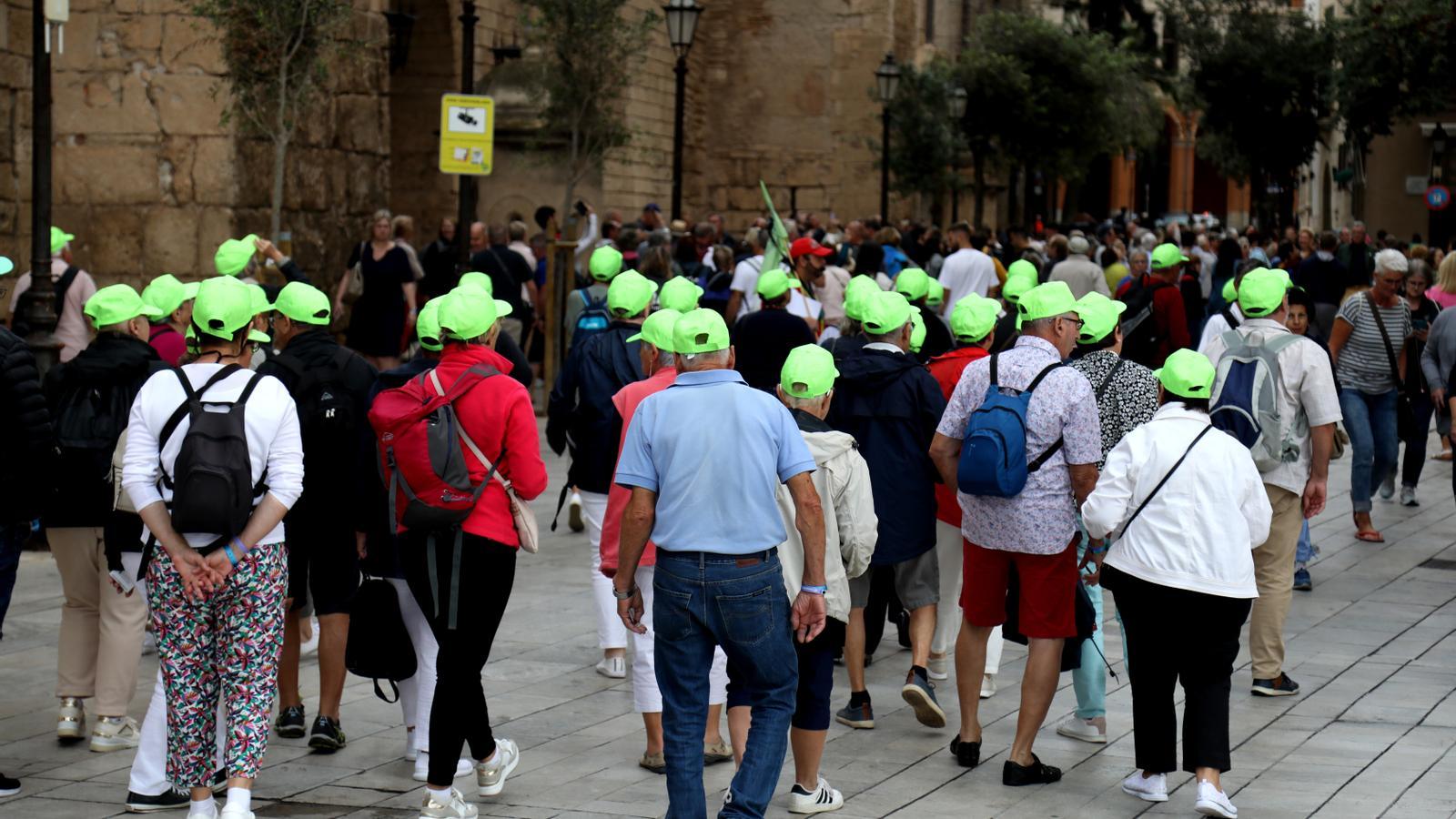

When Israel and the US began the Iran war, last February 28, the whole world shuddered, but in Mallorca the shiver had a particular tone: “Will this affect the tourist season?”, was the question that the businessmen of the tourist sector and their servants, also known as elected rulers, were anxiously asking themselves. And many ordinary citizens, pure and simple taxpayers, were asking themselves the same question, because they have internalized an ancestral fear similar to that of the small Gallic village in the Asterix comics. Indeed, if those warriors of the Gallic forests lived in fear that one day the sky would not fall on their heads, many Majorcans today anxiously think about the possibility that one day tourists will stop coming. They have assimilated the idea that tourism is their source of sustenance (“tourism feeds us,” they repeat, like a responsorial psalm) and that dedicating themselves to economic activities other than tourism is equivalent to a return to a life of scarcity and deprivation. (Due to age, most have not experienced scarcity or deprivation, but within the repertoire of prejudices they have incorporated, it also includes intense aporophobia).Since then, the Iran war has continued its course, becoming more uncertain and alarming each day, and yet, tourists have come. With Easter, the tourist season properly begins: this year we can say, therefore, that the season runs from March 31 to October 31. That's seven full months, in contrast to the three months that the traditional summer season lasted (which was limited to the two strict months during which people usually took vacations, July and August, with the addition of the second fortnight of June to open and the first of September to close). Now it lasts more than double, and the long-standing objective is to make the tourist season last twelve months. Indeed, before we learned to say ‘de-seasonalization’’ without stumbling, reality has made it clear that it was a mirage: we will not manage to distribute tourists better across the different seasons of the year, in order to avoid overcrowding, but rather we will have overcrowding all year round. De-seasonalization was another self-deception (in this case, of progressive origin) on par with ‘cultural tourism’: by promoting this, we have not obtained tourists who come to participate in our reading clubs and buy season tickets for the Principal Theatre and the Manacor Auditorium, but rather tourists who visit prefabricated exhibitions, susceptible of being set up and visited in interchangeable destinations: be it Malaga (the model to be followed by our current rulers) or Palma, for buyers of the holiday package for lovers of cultural and gastronomic experiences.When Iran began to fire its long-range missiles, a local media outlet published a report trying to warn that these rockets have enough power for one of them to fall on Mallorca. And much worse, it could fall in the middle of the tourist season. There is a not very subtle (but well-rooted form of self-hatred), which consists of believing that we are too small to be affected by what happens in the world, or that our lamentable condition as a mature tourist destination makes us sweet and harmless. Neither is true: Mallorca, although a significant number of Majorcans find it hard to believe, is part of this convulsive, violent and unpredictable world that appears in the news. It is not only part of it, but it is a strategic point in the middle of the Mediterranean. And its tourist season is too.
