The interior of Mallorca, at a turning point
Urban and tourist pressure advances over the Pla de Mallorca, while agricultural land shrinks and the countryside assumes more and more residential and tourist uses
-
CAT -
CAST -
GER
PalmaSome data from recent studies should not be overlooked. Mallorca has lost 189 km2 of agricultural land (1990-2018); 46% corresponds to new urban land (Chair of Insularity, UIB). Today, there are 55,256 buildings counted on the island on rustic land (Houses that do not exist, Miquel Rosselló). And, according to Terraferida, rustic land has been denaturalized at a rate of 180 hectares per year (2021-2024). These are not anecdotal figures: they portray a rural world immersed in a context loaded with unsustainable trends that cause a profound territorial transformation.
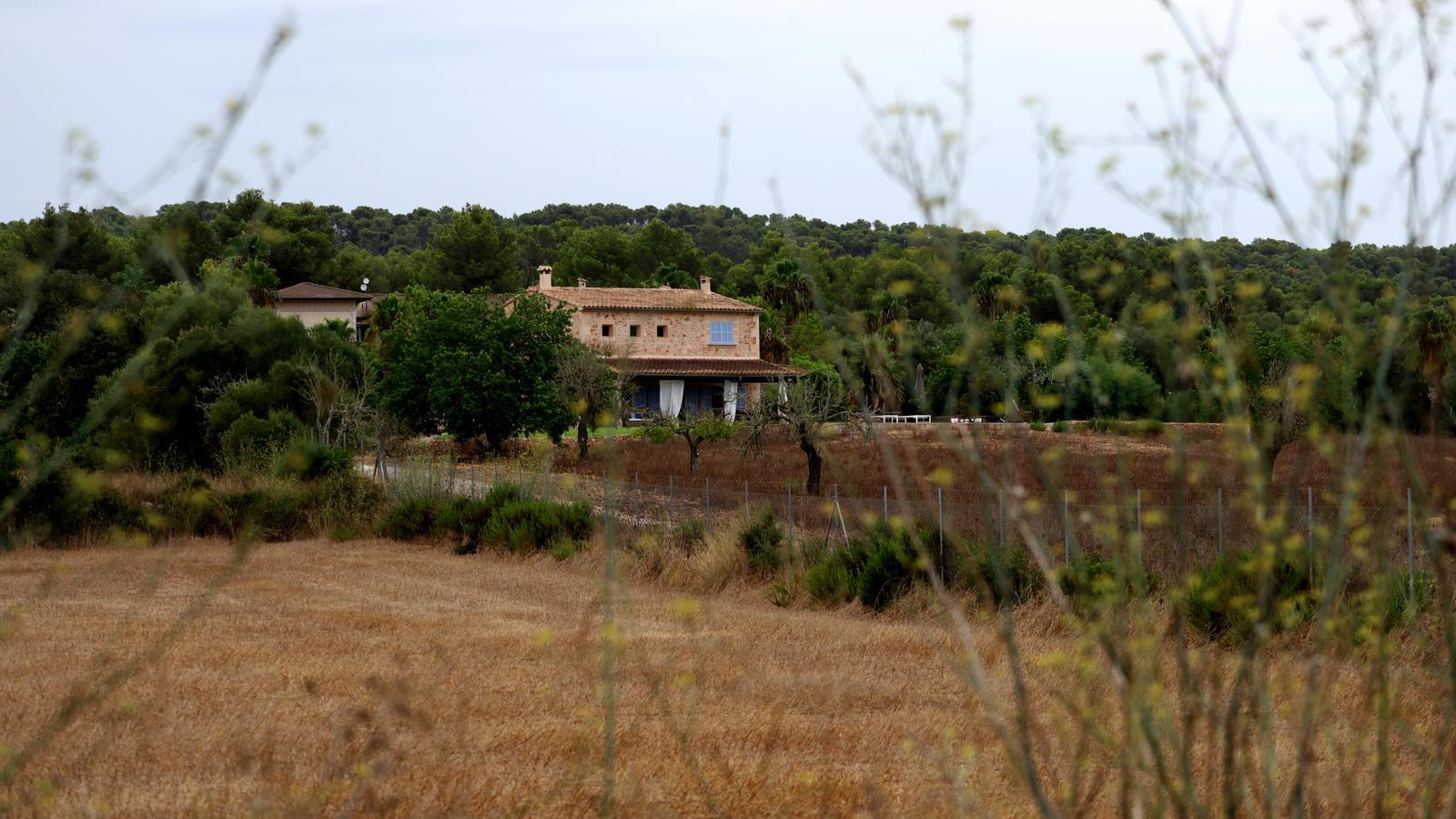
Surely, the Pla de Mallorca is the region that has remained most on the margins of the island's intense process of touristification. Currently, however, this dissonance with respect to the general drift is fading. At this moment, the transformation is materializing in multiple impacts. On one hand, urban pressure on rustic land has never stopped growing: plots are not valued for agricultural income, but solely based on real estate expectations. The rural landscape, traditionally devoted to agricultural activity, is now forced to adopt new uses, mostly residential and tourist. The chalet phenomenon has permanently settled in the countryside – voluminous buildings, with large pools and extensive gardens – and for some years now, it has been built in series: a developer builds two, three, and up to half a dozen cloned chalets at the same time. On the other hand, the lucrative tourist use of existing buildings entails, as was foreseeable, countless expansions, attached constructions, new roads, swimming pools, landscaping, and other elements, often excessive or inappropriate for rustic land.
Socioeconomic dynamics
Urban centers are not exempt from this either. Touristification generates such pressure that, sooner or later, it subjects inland towns to intense speculative processes of buying and selling homes, sky-high prices, and sharp demographic increases. The repercussions, however, are not limited to infrastructure; they also disrupt the socioeconomic dynamics of the territory. The effects on agriculture, traditional commerce, neighborhood life, heritage, and culture are increasingly manifest. All things considered, nothing that was not to be expected: touristification always acts as an excellent cultural and identity solvent. Today, in many places in Mallorca, cultural and linguistic depersonalization is absolutely alarming.
At this point, the scenery of territorial change in the interior of Mallorca is quite evident. Another thing, however, is the political and institutional response that should be expected. If we really want to avoid or, at the very least, mitigate this process, social awareness and activation will be necessary. Awakening local populations and encouraging associative fabrics, neighborhood groups, and many other actors in the territory is essential. It is about pooling capabilities and strengthening collective influence to achieve a change of course. Otherwise, inertia –which, in territorial matters, usually ends up consolidating what will later become irreversible– will determine the final result.
It is high time to put on the table issues that until now political discourse has not dared to address. The residentialization of rustic land, to go no further, makes it urgent to propose much stricter restrictions on the construction of new villas and isolated dwellings –or, simply, to opt for non-buildability on rustic land, just as was done in Menorca. But this is not the only issue. It is urgent to address many other topics such as regulating uses on non-developable land (a greater definition and more effective protection of the agrarian, forestry, and non-urban vocation of rustic land is needed); determining appropriate prescriptions so that constructions and facilities adapt to the rural landscape (and do not entail a detriment to traditional environments); establishing limits on tourist and recreational uses; curbing macro-industrial uses on rustic land (mega-farms, mega photovoltaic parks, battery storage plants); guaranteeing water sufficiency for the interior villages and for agricultural activity (tourist consumption cannot continue to set the priorities); executing urgent investments in water purification and aquifer protection; reviewing the delimitation of territorial and agrarian protection figures (AIA, ARIP, ANEI...); increasing public ownership of areas of natural interest (currently, insignificant in the Pla de Mallorca); and recovering attention to the countryside by the town councils (almost exclusively focused on their urban centers), among others.
In fact, given the alarming degree of transformation, not addressing these and other territorial issues in the upcoming elections would be as inexcusable as it is irresponsible. The inland municipalities need to share their own planning strategy and, on the other hand, demand commitments from the other competent administrations. It is not just about dealing with the invasion of villas and wild olive trees (the binomial: tourist-residential pressure and abandonment of agricultural land), but about promoting common policies that allow facing future changes without renouncing the personality of the territory, the predominantly agrarian character, and the environmental quality that have barely resisted until today.
