The Pla debates this weekend in Lloret how to address the future in the face of tourism fever and 'chaletism'
The 'El Pla facing its transformation' conference will be held on October 30 and 31 in Lloret to debate territorial changes
-
CAT -
CAST -
DE
PalmaThe entity Pla de Mallorca XXI presented the conference The Pla facing its transformation which will be held on October 30 and 31 in Lloret with the aim of addressing a profound debate on the territorial changes that are taking place in the interior of Mallorca as a consequence of the intense touristification of the island and the chalet-style development that threaten and are already a reality in the center of the island.
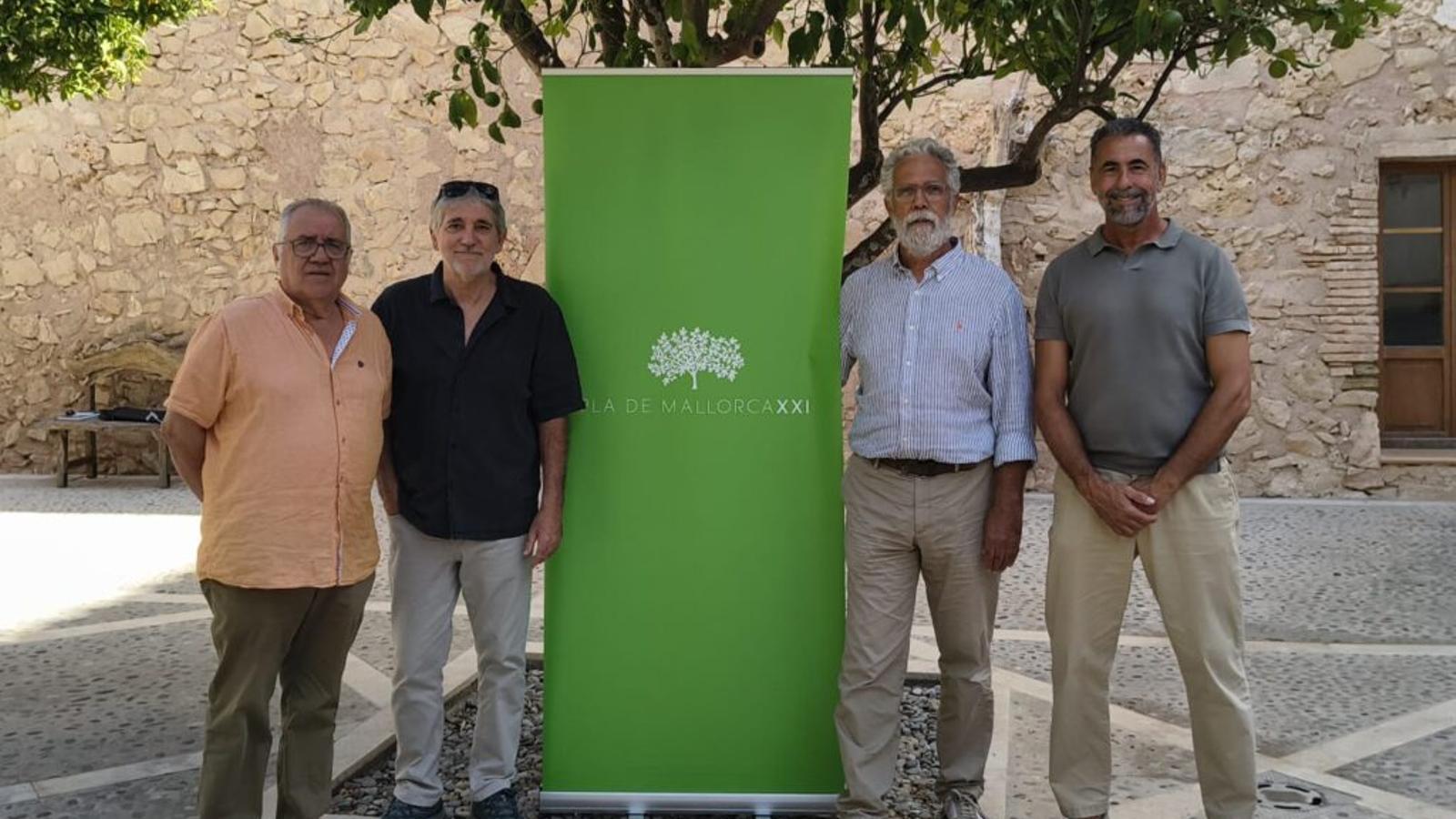
The organizers attended the presentation, including Mateu Ginard, president of Pla de Mallorca XXI; Biel Vicens, coordinator of the conference; Andreu Ramis, member of the entity; and Sebastià Amengual, mayor of Lloret. They reported that these sessions will be a broad space for debate, with the participation of experts from various fields to analyze the main agrarian, environmental, social and economic problems that currently threaten the interior of Mallorca and to put the great challenges of the future on the table. The purpose of the conference is that, as a result of the debate, concrete proposals and initiatives are collected to address this future.
"Necessary sessions"
They explain that "the intense touristification of the island and the phenomena of residentialization and de-agrarianization are jointly affecting the Pla de Mallorca." Surely, "the Pla was the region that had remained most on the margins of the island's intense process of touristification. Currently, however, this difference with respect to the general dynamic has vanished."
Faced with this situation, they point out, "the interior of Mallorca is now forced to face issues such as the residentialization of rustic land, chaletism, the loss of agricultural value of the countryside replaced by real estate expectations, the abandonment of the countryside, the pressure of new tourist uses, the macro-industrial use of rustic land (such as large-scale photovoltaic parks and battery storage plants), and serious problems of water sufficiency for both agriculture and the populations of the interior of Mallorca."
Urban centers are not left out of this either. "Touristification generates pressure that, sooner or later, subjects the interior towns to intense speculative processes of housing buying and selling, at prices unaffordable for the resident population and with demographic increases," they explain.
Furthermore, "the repercussions are not limited to infrastructures and services, but also alter the socioeconomic dynamic of the territory: agricultural activity, traditional commerce, neighborhood, heritage, and culture, etc. Currently, cultural and linguistic depersonalization is already worrying in many places in the interior of Mallorca." All of this, they explain, is corroborated by the data and "the need to propose actions to reverse the situation is evidenced."
In this sense, they add that according to the Chair of Insularity (UIB), Mallorca has lost 189 km² of agricultural land between 1990 and 2018: 46% now corresponds to new urban land. Currently, there are 55,256 buildings on rustic land on the island (according to Cases que no existeixen, by Miquel Rosselló) and, according to Terraferida, rustic land has been denatured at a rate of 180 hectares per year during the 2021-2024 triennium.
These and other data that will be analyzed at the conference "portray a rural world immersed in a context loaded with unsustainable trends that cause a profound territorial transformation."
All these issues and others will be discussed and debated at this conference, which aims to collect proposals and initiatives to address territorial challenges and the future of the Pla
20 guest experts
The Conference, which will be organized over two consecutive days (October 30th and 31st) at the Dominican convent in Lloret, begins with a relevant exhibition of 22 panels showing recent data and images of the current problems in the Pla, resulting from the work of the Terraferida collective and also the interesting study Cases que no existeixen by the jurist and political scientist Miquel Rosselló Xamena.
The conference is structured into debate and dialogue tables in 4 different areas:
- Rural and agricultural development (Friday)
- Territory, environment and sustainability (Saturday, morning)
- Society, culture and heritage (Saturday, morning)
- Territorial planning and management (Saturday, afternoon)
Overall, a total of 20 experts, academics, and institutional representatives will debate the main agrarian, environmental, social, and economic issues that currently threaten the interior of Mallorca and will put on the table the major future challenges regarding this territory.
The debate panels will promote dialogue among the large audience expected to attend the conference. The main idea is that, based on this dialogue, subsequent concrete proposals and initiatives will be collected that allow for reversing this process and better facing the future.
