Historic members warn of the attempt to turn Portitxol "into a marina for large yachts and foreigners"
The Nautical Club faces this Tuesday a decisive assembly marked by the fear of losing its popular and seafaring character

-
CAT -
CAST -
DE
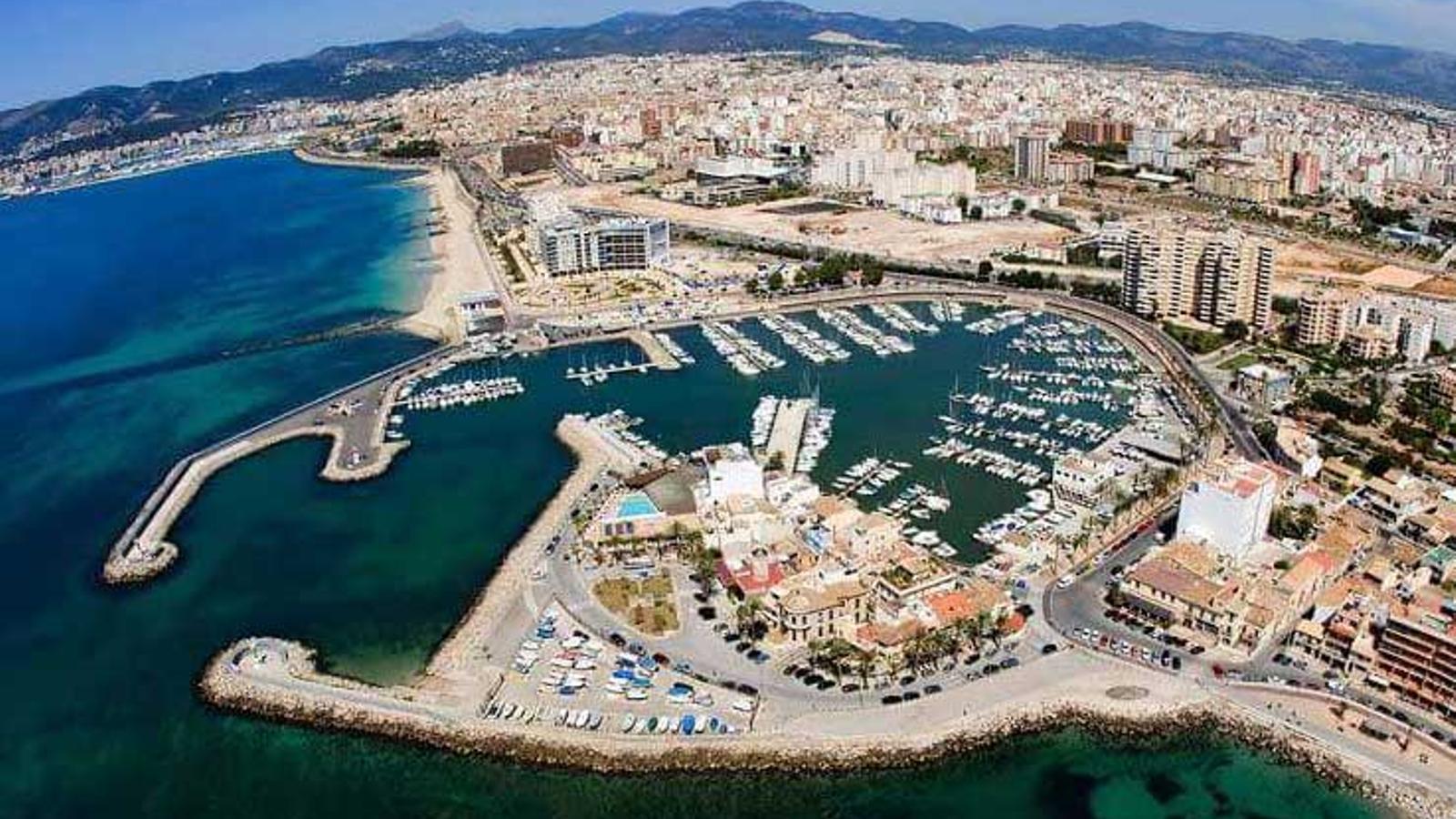
PalmaThe Portitxol Nautical Club faces next Tuesday one of the most decisive assemblies in its recent history. Members will have to vote on the ratification of the reform and expansion project promoted by the board of directors, an initiative that has caused a strong internal division and which many interpret as a choice between maintaining the social and popular character of the club or turning it into a large infrastructure aimed at large-sized boats. The meeting, convened in the assembly hall of the Port Authority of the Balearic Islands (APB), comes after weeks of internal campaigning and a climate of growing tension between sectors in favor and detractors of the project.
The central point of the assembly will be the ratification of the terms and conditions for the extension of the club's concession, approved by the APB in December 2025. The original concession was due to expire that same year, but Ports de l'Estat and the Port Authority authorized an extension of 15 years — until 2040 — conditional on a significant investment in the facilities. The project plans to expand the water surface by more than 12,000 square meters, build new jetties, an external protection breakwater, a boatyard, and reorganize a large part of the port area. The board argues that these actions are essential to guarantee the club's future viability and adapt it to the current demands of the nautical sector.
But many members, like Jaume Garau, consider that "it is nonsense, a millionaire investment that we small ones have to pay for, so that they make us a marina with large boats and foreign owners. Prices will automatically skyrocket, and a good part of the retirees who have had their small fishing boat or dinghy at the club all their lives will be expelled," he laments. According to Garau, "the board of directors should never have accepted the conditions imposed by the Port Authority, but it is clear that they want to kick us out of everywhere, us locals, normal people, and now out of our lifelong club too," he states.
The number of critics is growing
The members critical of this megaproject are organizing and more and more are clear that next Tuesday they will be presented with a radical transformation of Portitxol, with works that "will end up completely altering the nature of the club that has seen us grow," states another member who requests anonymity during her conversation with ARA Balears. In recent days, critical sectors have distributed documents among the social mass warning that the planned investment —of around eight million euros initially— could skyrocket and generate an indebtedness “unmanageable” for many members. Opponents denounce that the proposed model is primarily designed to attract larger boats, a segment that is experiencing significant growth in the Balearic Islands and requires much more expensive and sophisticated facilities.
The fear of many users is that small owners will end up being progressively expelled from the club, because "we will not be able to afford the increase in fees, tariffs, and costs derived from the renovation," states a document prepared by this collective. This scenario, they assure, could end up favoring the entry of a private company to manage part of the facilities or the entire port, as has happened in other nautical spaces in the Islands. Critics consider that behind the modernization hides a drift towards a more elitist model and less accessible for the traditional fabric of popular navigation linked to the Portitxol neighborhood.
The case of the small port
In this context, many members inevitably recall the precedent of the Club Marítim Molinar, which for years experienced a very intense social and political battle over an expansion project also driven by the official argument of modernizing the facilities. In that case, however, strong citizen mobilization and neighborhood opposition eventually imposed a model of a small port integrated into the neighborhood, discarding the initial macro-project. Now, in Portitxol, some sectors fear that a similar debate will reopen, in this case with the added fact that the Port Authority has already imposed conditions that involve an increase in size. The debate between growing to compete in the market of large lengths or preserving a more modest, social, and territorially rooted club model is served.
The dispute also reflects a deep difference about the future of boating in Palma. On the one hand, there are those who argue that sports harbors must adapt to the growing demand for large vessels and the economic demands of the sector. On the other hand, there are those who warn that this dynamic expels traditional navigation and progressively transforms nautical clubs into exclusive spaces oriented towards large fortunes and foreign users.
Therefore, Tuesday's assembly is perceived by many members as much more than a simple vote on some works. What will be decided, they assure, is what model of port and what social model the Club Nàutic Portitxol wants to represent in the coming decades: to continue being a popular club linked to the neighborhood or to initiate the transformation towards a large sports harbor adapted to the market of large lengths.
