Idols are like friendships: we assume that they will disappoint us
To love the artists who have marked us implies accepting their contradictions, questioning their decisions and assuming that separating the work from the artist also says things about us

-
CAT -
CAST -
DE
PalmaI'll get this off my chest soon. I'll say it plainly: I'm very good at separating the artist from the work. It's not a dilemma for me. I'm afraid of how comfortable contradictions feel inside me. It seems they've found a wide and comfortable place, where they don't fight. It has always happened to me: perhaps I lack morals and have an excess of hedonism. I am jealous of the things that give me pleasure. Pleasure takes precedence over common sense and allows me, in the solitude of my screen and my headphones, to consume artists I wouldn't dare to confess to publicly and others that I would, with a certain shame.
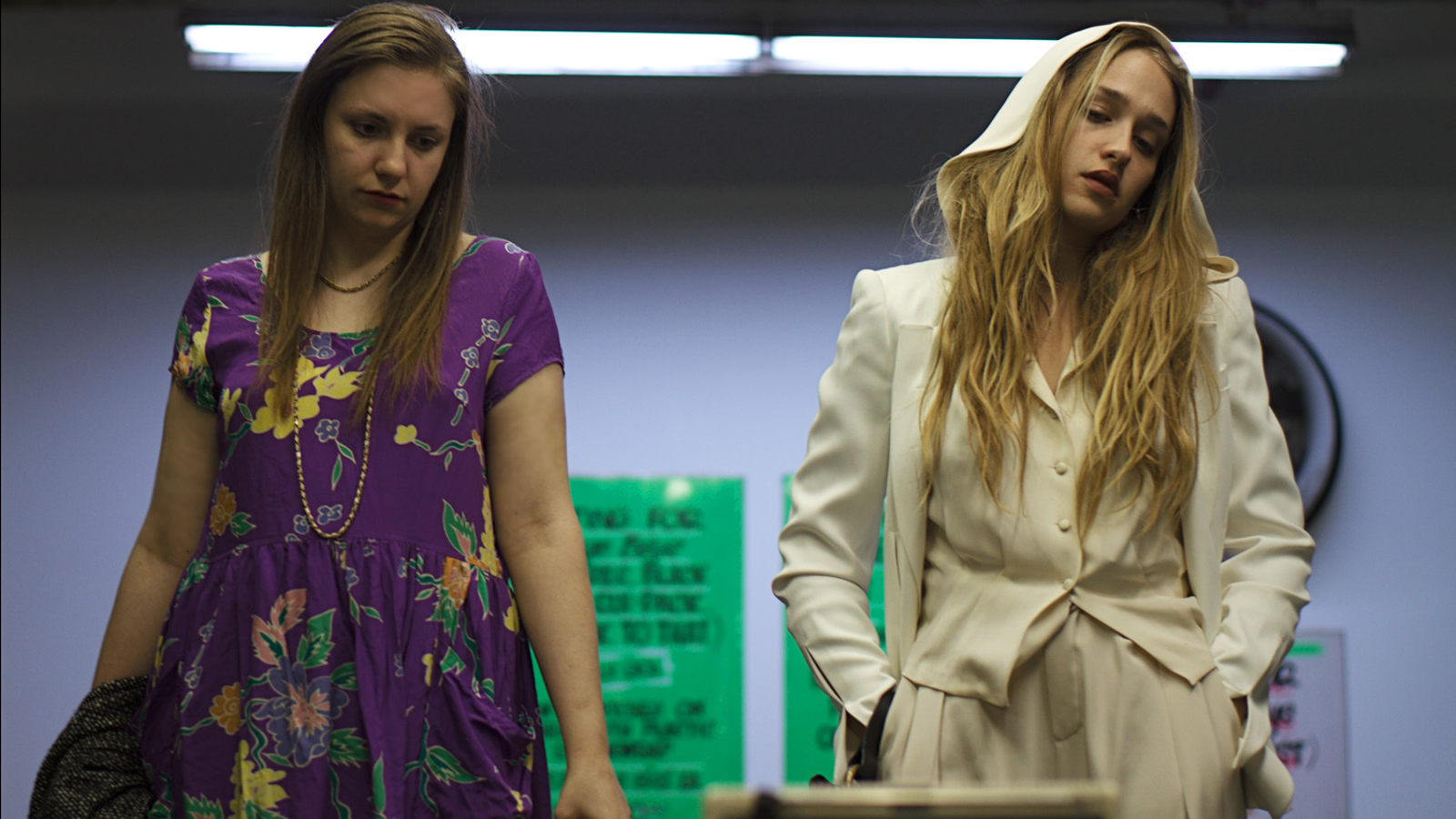
I didn't consider stopping listening to C Tangana when he posted a photo on the deck of a yacht surrounded by women in bikinis, nor to Rosalia for embracing faith or the housing business, nor Bad Bunny for turning La Casita into the new canon of female beauty. I was able to overlook Sorrentino's sexualizing gaze in Parthenope and Bigas Luna's in Jamón, jamón. If to read Lorena G. Maldonado I have to pay a subscription to El Español, I will continue to do so. And, of course, I won't be able to give up the new season of Girls after Lena Dunham bought a baby. Does this make me a worse person? Should I review my values? Am I a hypocrite?
I treat idols—the idol artists—like friendships. I end up loving them and place them in places I have chosen especially for them. Important places, inside me. Because they have accompanied me, because no one like them truly knows me and, above all, because they have made me feel something. In fact, there are artists who have made me feel many more things than certain friends. And, for that reason, they are part of me. In some way, we have a past in common, memories that—unfortunately and regardless of the decisions they will make in the future—bind us forever. Even when we want to cast them out of our lives, we will remain tied by a fishing line, strong and thin, capable of dismembering everything that stands between us.
My idols are like my friendships: I have ended up assuming that they will disappoint me. That they might break my heart and that the higher I place them, the harder we will fall. So I try to maintain a compromise: before that happens, a timely distance or, in the worst-case scenario, a preventive breakup. But, with idols, the same thing happens to me as with friendships, that abandoning them is also abandoning myself: that part that was born the day I met them, that corner of memory that they remind me I have, the sensations that only respond to their existence.
Defining ourselves—knowing who we are, finding our identity—is one of our greatest longings; and feeling understood, the best comfort. This is my weakness. I have a tendency towards fanaticism, perhaps. I can venerate very passionately, with tunnel vision and loyalty. And all because I am addicted to the feeling of mirroring myself in someone else, to the things I hear that speak about me without them ever having known me, to everything that, despite transcending me, challenges me. I cling to them dangerously, even if I sink with them. I defend what gives me meaning with the same recklessness that I would defend a friend at the school playground exit when someone is chasing her looking for a fight.

With idols, it is the same as with friendships: one must know their virtues, but also their flaws, and point them out without fear of what that says about us. Mimicry is like that, it forces us to endure all the edges of our reflection, even those that betray our privileges. We would like our friend to prioritize us above everything—above partners and hobbies—, for our singer to denounce the genocide in Palestine, for our friend to open their mind—to new relationships, new jobs—, and for our reference columnist to be anti-bullfighting. But only we can take charge of our expectations. Idols, and friendships, must be held to the same consistency that one is capable of guaranteeing.
You are a coward if you are not prepared for the punishment (I tell myself this). Neither personality, nor relationships, can be built at any price, nor with fear of the consequences. When they are truly put to the test is when things are not as we expected. And in dignity in the face of disappointment is where human integrity is measured. We must be prepared to dismantle ourselves and break ourselves down into those pieces that make us up in order to discard the defective ones, even if we are left orphaned, even if we lose the proportional part of an arm or a leg. We must be prepared for grief, to remember—in silence and with compassion—what we had been and contemplate the void we have left, because it is better not to be than to be that which we are not.
