Ramon Grosfoguel analyzes in Palma the "climate colonialism" in Palestine and Iran
The Lul·lià General Study hosts this Saturday, May 23, a conference by the Puerto Rican sociologist on war, ecocide and global climate crisis
-
CAT -
CAST -
DE
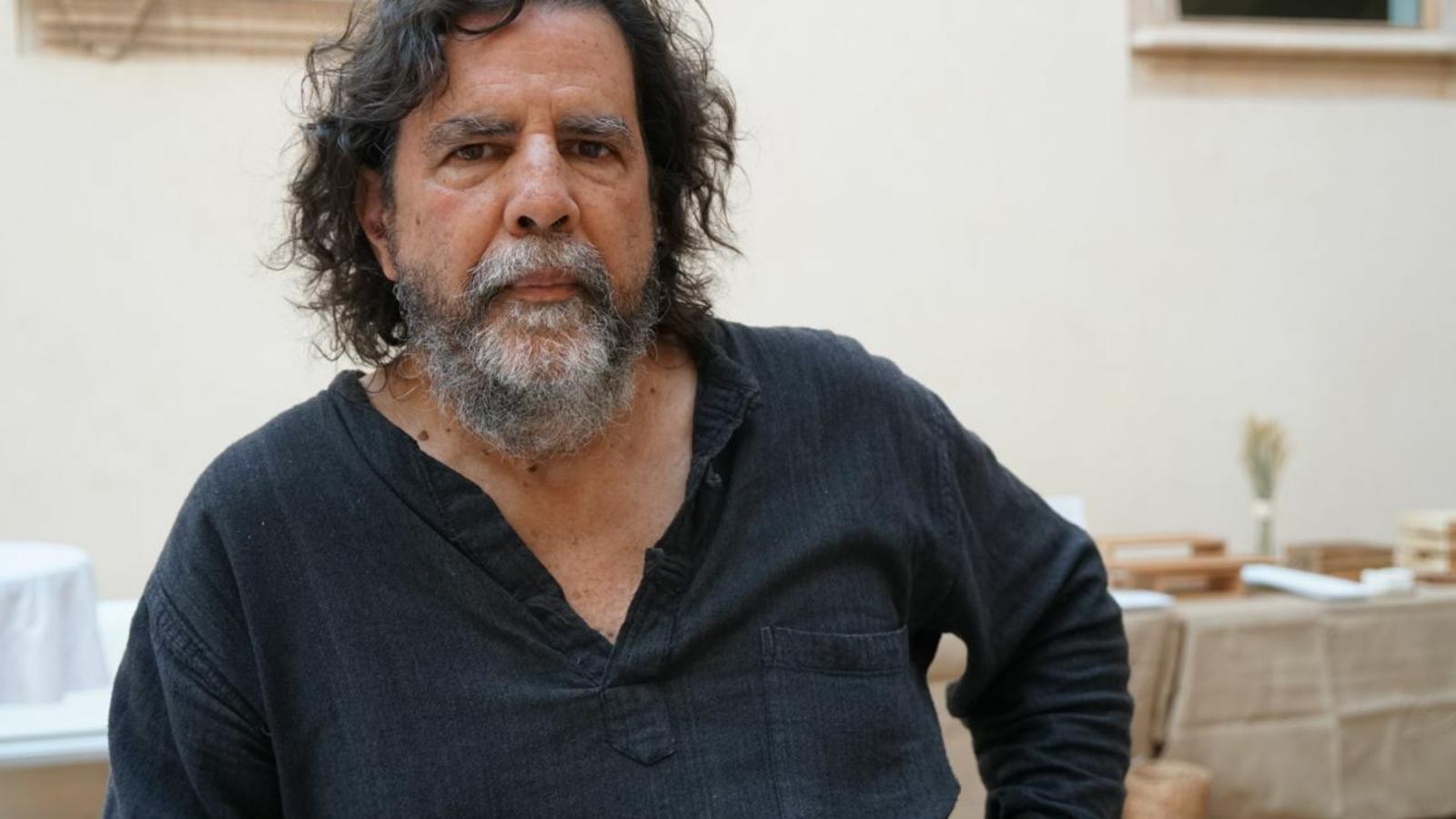
PalmaPalma will host this Saturday, May 23, a conference by the Puerto Rican sociologist and thinker Ramon Grosfoguel, one of the main international figures in decolonial thought. The talk, framed within the activities of the Climate Academy, will revolve around the concept of “climate colonialism” and the environmental and social consequences of armed conflicts in territories such as Palestine and Iran.
The event will take place at 11:30 AM at the headquarters of the Estudi General Lul·lià and is jointly organized with the Palestina Lliure collective. During the session, Grosfoguel will analyze the relationship between wars, extractivism, occupation, and ecological destruction, and will argue that these dynamics contribute to exacerbating the global climate crisis.
The conference will address issues such as pollution derived from conflicts, forced population displacements, and situations of ecocide that particularly affect the most vulnerable communities. It will also raise the need to incorporate a decolonial perspective into the climate emergency, linking social justice with the defense of territory and ecosystems.
The organizers propose the meeting as a space to reflect on the climate crisis beyond the strictly environmental dimension and to focus on the models of power and domination that, according to their arguments, lie behind many of the current ecological impacts.
A professor in the Department of Ethnic Studies at the University of California, Berkeley, Ramon Grosfoguel is a member of the Modernity/Coloniality group and one of the most influential voices in decolonial and postcolonial studies. He has published numerous works on migration, world-systems, and the decolonization of power and knowledge, and argues that the effects of colonialism continue to be present in contemporary cultural, political, and economic structures.

