Remember that you did it because you liked it (and that was the success)
I wanted to know what the obsessions of my generation are, and for that, I went to look for those in charge of fossilizing them: the artists. Specifically, six. They are Anna Picornell, Lluïsa Febrer, Mariona Jaume, Miquel Mas, Josep Alorda and Lluís Garau.

-
CAT -
CAST -
DE
PalmaI wanted to know what the obsessions of my generation are (that is, I wanted to confirm my suspicions). And, for this reason, I went to look for those responsible for fossilizing them: the artists. Specifically, six. And if time and space were not limited, the list would be much longer. They are Anna Picornell, Lluïsa Febrer, Mariona Jaume, Miquel Mas, Josep Alorda, and Lluís Garau. In these conversations, with all of them, I tried the same thing: to know what they feel, to prospect their souls, and to discover what obsesses them. Because – when we are sincere – obsessions are the only thing that truly makes us vulnerable, that betrays us as we are, genuinely, from the subconscious and without morals. I wanted to extract them “with a dessert spoon”, as Lorena G. Maldonado says, what this generation of artists feels. And what turns out to make them mortal, like the rest of humanity, is the same doubt, intrusive and inopportune: why do we do what we do and if that is success.
Why do we do what we do? Why did we start doing it? If we ask ourselves this question, is it because it is no longer worth our while to do it? Liking to do something and, at the same time, being good at it can be a very difficult curse to manage. To profit from a talent is to turn a hobby into an obligation, comparison, and ambition, the opposite of what we all really want: a good and peaceful life, and – as far as possible – to have moments of doing nothing. But forcing ourselves to do what we like is easier. Here lies the trap. “Do what you love and you will never rest again.” Congratulations: when you complain about having to do what you used to love in exchange for remuneration, you will feel like the most wretched worm in the universe. And you will forget why you did it, just as you will forget all the things you did because you liked them.
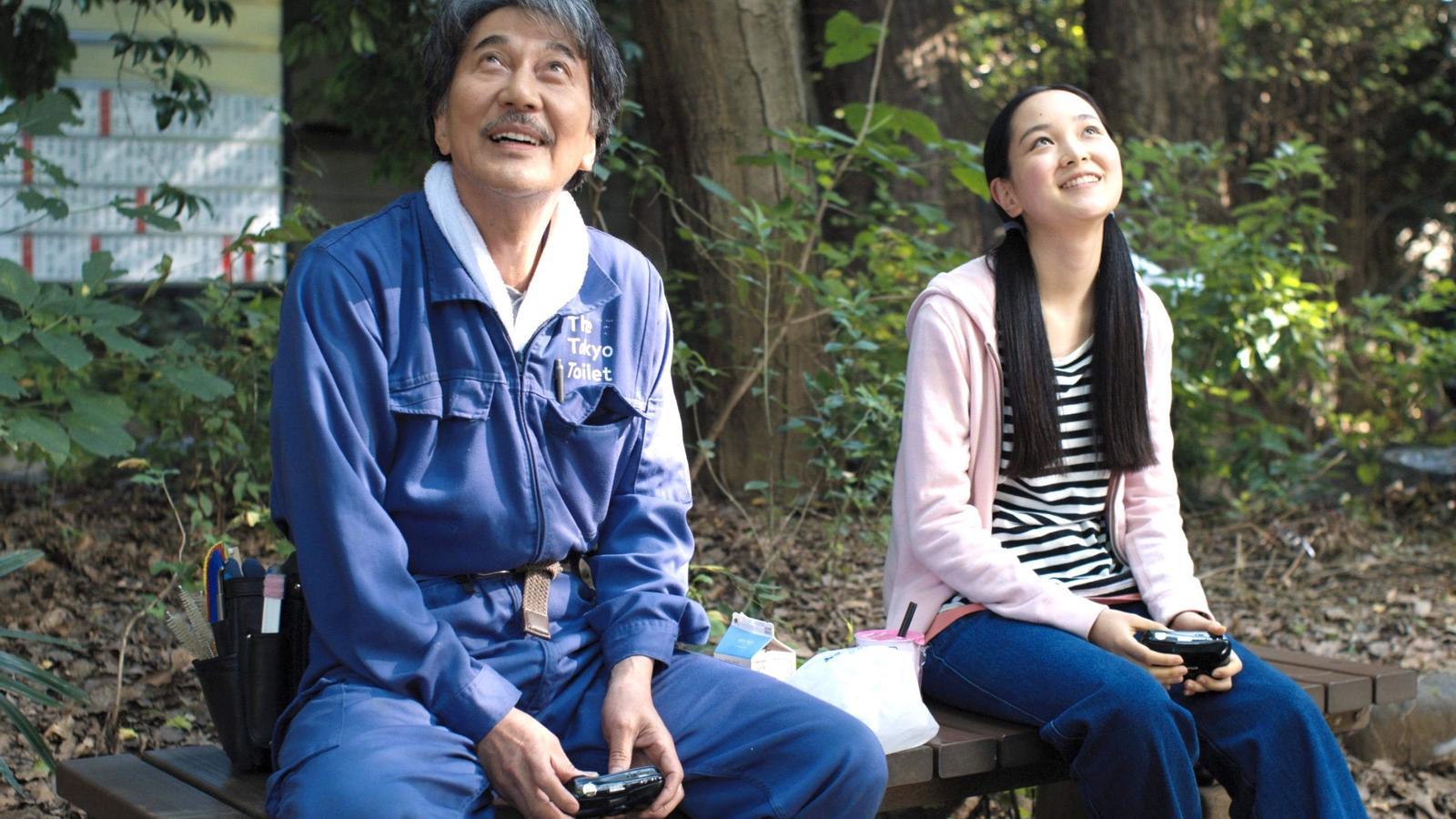
But remember that you used to invent and write stories for everyone you loved, because it was the only audience you knew. Remember that you used to dance with your friends in the schoolyard just for the adrenaline rush of feeling like Beth, from Operación Triunfo, or the Spice Girls, in Wannabe. Remember that you used to make bracelets, bookmarks, and postcards, because your fantasy was to have a shop or a printing press, or both. That you weren't eager, that the result didn't matter, because all you sought was the pleasure of laminating, sticking, stapling, and punching. What satisfaction, like an office worker: with many different devices at your disposal. Just remember the feeling. The key was in the uselessness of it all, like Hirayama's photos of trees in Perfect Days, all apparently the same.
At what point has what we liked become what separates us from doing what we really want to do? I think it was just when we started doing it on demand and wholesale, in exchange for misery; when production became more important than creation. So now we produce much more than we will ever be able to consume, because we have created this machine that needs gasoline. Now, overproduction forces us to seek strategies: to sell ourselves, in short. Now, that we do what we like, we do what we do to be consumed, and only because we like it.
So I don't know if this was success. I've been trying to decipher it for a while, success; this entelechy, such a perfect balance that it doesn't exist. And in this search, I find definitions that I keep, to accompany me:
Success, according to Samantha Hudson
“In recent years, we have been inoculated with the poison of media transcendence, of numbers. This cannot be. One must configure what one considers success in one's own measure. We cannot allow ourselves to all chase phantoms, drown in our expectations, and get frustrated. I believe there is no greater success than ceasing to worry about failure. Unfortunately, one must live, one must earn money, and one must face the world. But, if from our core the only thing we pursue is conventional success, then we will have failed.”
Success, according to Isa Calderón
“I say ‘no’ more often than ‘yes’. People think this can put you at a disadvantage. And I think it’s the opposite: you become more cultivated the more unattainable you are. I’m very happy with what I do. Success isn’t appearing in many places or doing many things: now I do a podcast, now I do a series, now I write a book. No. People are mistaken. Then, I have colleagues who are messed up, exposed, who have an opinion on everything: it must be exhausting, they must have an egomania that doesn’t let them enjoy life.”
Success, according to Oriol Pla
“I believe it has nothing to do with the outside, it has to do with how you relate to the outside. For me, it would have been a failure to have been in New York and won [an Emmy], but to have had a bad time or been very nervous, not felt I deserved it and not enjoyed it. Success must be having the ability to live in peace with what you have to live. It’s sleeping soundly and waking up in a good mood, anything that leads you to that.”
