How was Miquel Brunet, according to his friend: “At the Porciúncula he met his musical father”
Biel Majoral, friend of the musician and producer, explains to us the best-kept secrets of his childhood

-
CAT -
CAST -
DE
PalmaHe is a man who deeply loves this land. He has some “wonderful tools to help the country”. “He puts his knowledge, talent and means at the service of everyone”. Sometimes “he gets discouraged thinking about the future, when he sees that the struggles we have fought for may end up in nothing, with the language, the land, the country. I tell him that we must take care of our surroundings”. The speaker apologizes: “I am sorry, I cannot criticize him at all”. It is Biel Majoral, teacher of teachers, musician and activist, who introduces us to the pianist and musical and audiovisual producer Miquel Brunet (Bunyola, 1961).
They met many years ago, when Miquel began to study Teaching at the UIB: “He was my student. Perhaps he had thought about being a teacher, but music captivated him and he disappeared to go wander the world with Els Valldemossa. He was attentive, interested and sensitive to the things of the land, the culture, the language and the country”, he points out.
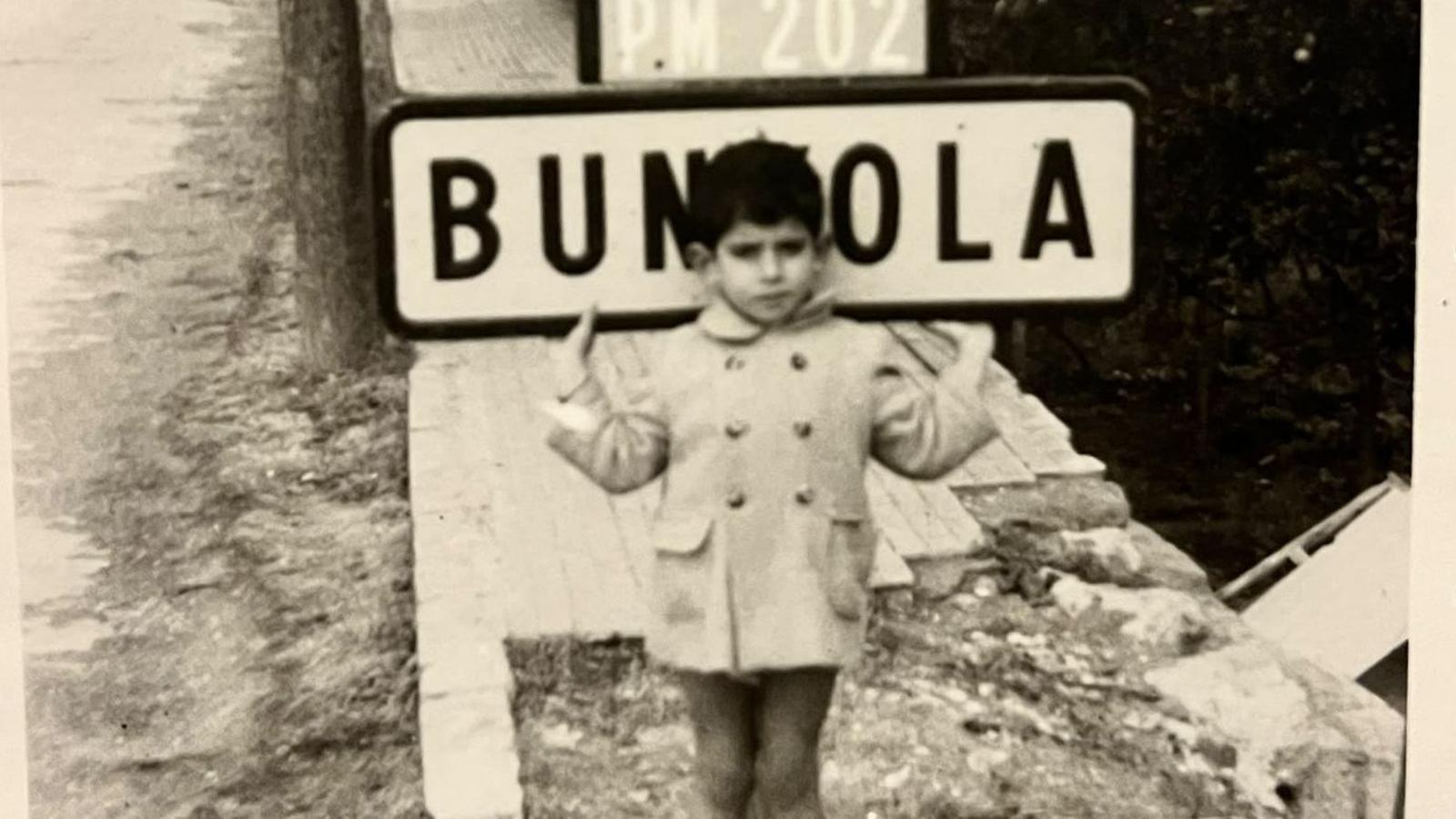
Before leaving with Els Valldemossa, Brunet’s life passes through Bunyola. His father was the caretaker of the Alfàbia gardens, where Miquel grew up, in that magical place that seemed like a fairy tale. He knew the paths so well that he sometimes acted as a tourist guide with the few words in French that his father had taught him, admired by the cosmopolitanism of the foreign visitors.
At 10 years old he arrived in Palma, at the La Porciúncula school: “There he met people who have made Miquel Brunet who he is today. One was the friar Toni Mulet, who with other seminarians had the group Los Cuatro de Asís, which introduced more current and cheerful elements into the Church, as well as contact with American folk music”. Mulet was Brunet’s “musical father”, who encouraged him to study piano and with whom he discovered electric guitars, Hammond organs and amplifiers.
In 1978 he began with Els Valldemossa, a group that has performed concerts all over the world. “The work that Miquel did with Els Valldemossa has not been sufficiently recognized. I was a friend of Rafel Estaràs and we spoke about the importance that Brunet had within the group, of which he was the director”, states Majoral, with whom Brunet reunited years later.
He describes the pianist and producer as a “serious, nervous, kind and perhaps a bit shy” person. In the professional sphere, he asserts that “he is a perfectionist and does not accept poor taste”, but highlights his “extraordinarily delicate way of treating musicians: when you record with him, he never tells you that you did it wrong. If a take does not quite work, he suggests doing it again and says ‘that way you will have more to choose from’”. He explains that “he is not a show-off”, but that, when he has to step up or speak in front of a microphone, “he gives excellent speeches without having prepared them”.
Miquel likes to keep his house “very clean” and share a table with friends: “He always has the table set and the doors open”. Biel also highlights the relationship of mutual support with Magdalena, of many years, which he considers “extraordinary”.
“I am envious that they love him so much!”, says Biel about Miquel’s involvement with Bunyola, where he always takes the initiative and manages to bring many people together. He also admires that “he has no limits when it comes to putting his knowledge at the service of others”. He remembers when they recorded Cançons republicanes together at ONA Estudis. Of all his works, he highlights Ferments, which he considers “brilliant and very important”, and from which, according to him, many have taken ideas without mentioning the references. Miquel, however, does not claim prominence or recognition. “He works, sows and lets others reap the fruits. I feel a deep gratitude towards him”.
