Three illegal chalets within a protected space: seven years waiting for their demolition while they do tourist business there
Terraferida denounces before the ADT the situation of three dwellings in Felanitx and demands that the procedures for their demolition be carried out once and for all
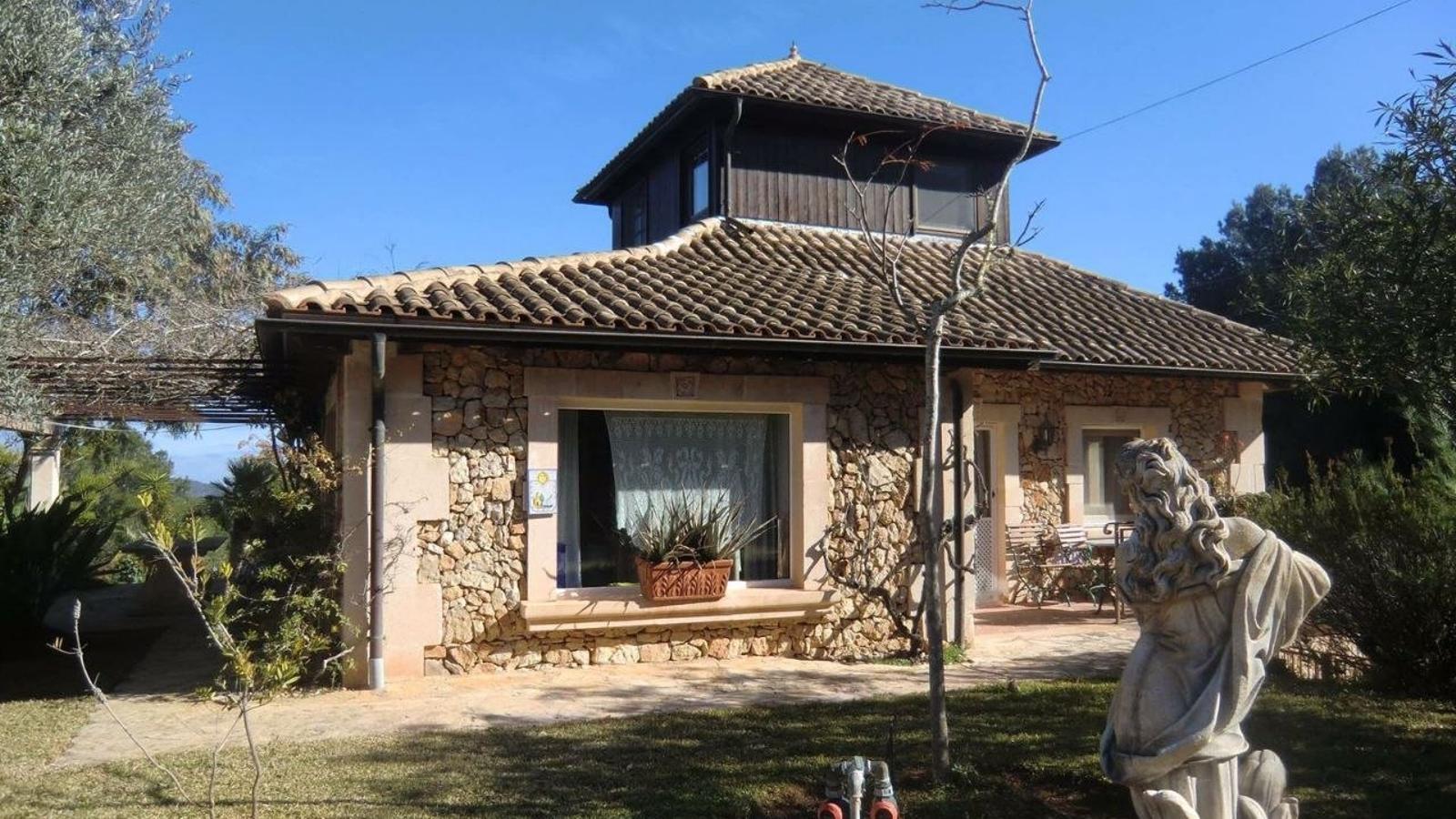
Three illegal dwellings remain undemolished within the ANEI of Sant Salvador, in Felanitx, even though administrations ordered their demolition years ago. The buildings, located in the Firella area, within the same plot, have been exploited as tourist accommodation for years and, according to Terraferida, are still being rented out to visitors.
The environmental organization has filed a new complaint with the Agency for Territorial Defense (ADT) to demand action on the three constructions, located on plot 157 of polygon 27, within one of Mallorca's most important protected natural areas.
The case is not new. The first constructions date back to the early nineties and, at the end of that decade, the Felanitx City Council had already opened sanctioning proceedings against them. Years later, the GOB also denounced the existence of the illegal dwellings.
But the key moment arrived in 2017. That year, the ADT announced that it was initiating proceedings to demolish the three buildings. The public body already pointed out at the time that the dwellings, in addition to being illegal, were commercially exploited through tourist rentals.
Nine years after that announcement, the three houses remain undemolished.

Illegals, within an ANEI and with tourist business
The situation is especially significant because it is not simply a matter of constructions pending regularization. The three dwellings are located within the Sant Salvador Natural Area of Special Interest, a space that has environmental protection.
According to Terraferida, two of the three dwellings were already being rented to tourists for at least fifteen years and were advertised online. Now, the entity assures that it has received information from neighbors indicating that tourist activity has continued in recent years, despite the open proceedings and the demolition announcement.
Thus, while administrations have been accumulating files and procedures, the buildings have continued to generate economic activity. A situation that Terraferida considers especially serious because the tourist exploitation has occurred on constructions located within protected land and which the ADT had already planned to demolish.
The history dates back to the early nineties. According to the entity, the constructions grew within the same plot to form a small real estate and tourist complex that by the end of the nineties was already being marketed under the name Rohiba.
A demolition that is years overdue
Terraferida attributes the delay, in large part, to the different appeals and procedures filed by the property before the ordinary justice system. According to the entity, this route has allowed the process to be extended for years and has prevented the demolition announced by the ADT from being carried out.

The result is that a decade after the file was opened and nine years after the ADT announced the procedures to demolish them, the houses still occupy a protected natural space.
And the case has a particularly controversial offshoot: during this time, according to Terraferida, the dwellings have continued to be linked to tourist rentals.
The environmental organization denounces that these types of situations highlight the difficulties administrations face in carrying out demolitions when owners have the resources to keep administrative and judicial processes open for years.
The case of Sant Salvador therefore brings to the table a double contradiction: constructions declared illegal continue to occupy a protected natural space and, at the same time, have been able to be exploited for tourism for years.
Terraferida demands that the demolition be effectively carried out and that the protection of natural spaces not be limited to a declaration on paper. For the organization, protection is only effective when administrations have the capacity to prevent illegalities from consolidating and, above all, from ending up becoming profitable businesses.
