The Consell de Mallorca deploys five teams to prevent at-risk minors from entering the protection system
The new IMAS teams are working with municipal social services to act before cases of mild or moderate risk worsen and to prevent children and adolescents from entering the protection system.
-
CAT -
CAST -
DE
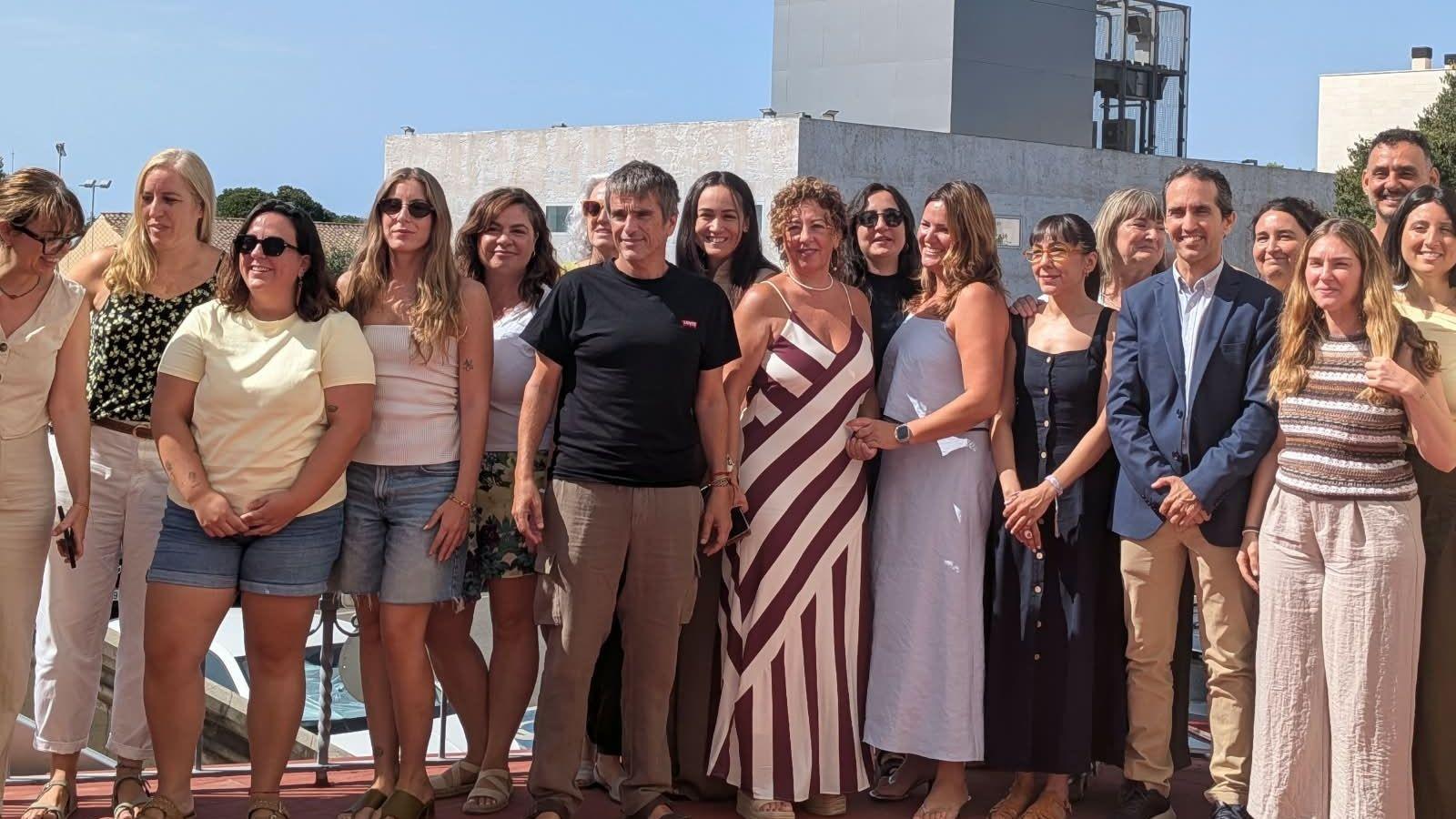
PalmaThe Majorcan Institute of Social Affairs (IMAS) has launched five Specialized Teams for Intervention in Risk Situations (EEISR) with the aim of assisting children and adolescents who are in situations of mild or moderate risk and, whenever possible, avoiding their entry into the child protection system. The teams began to be implemented at the end of last year and, after a training period, started their activities during the first months of 2026. This Tuesday, the president of IMAS, Guillermo Sánchez, and the insular director of Social Services, Childhood and Family, Apol·lònia Socias, presented their functioning after more than half a year of operation.
The initiative stems from the desire to intervene before risk situations turn into crises that require more intense protection measures. Sánchez has advocated for an intervention "based on proximity and prevention" to act on risk factors before they worsen. "We do not want to intervene only when a crisis has occurred, but to prevent it from happening," he pointed out. According to the president of IMAS, the main function of the teams is to work with children, adolescents, and their families to reduce risk factors and prevent them from needing more intensive protection measures.
Strengthen municipal social services
The five teams will be distributed throughout Mallorca, with the territory divided into five districts, and will work in coordination with municipal social services. Their function will not be to replace municipal professionals, but to strengthen them when a case requires more specialized intervention. "The entry point remains municipal, but now we have specific teams that allow us to delve deeper into cases that need it," explained Sánchez.
Municipal social services will be responsible for detecting and making an initial assessment of situations. When they deem it necessary to refer a case, the EEISR will conduct a comprehensive assessment and work jointly with municipal professionals to develop and monitor the intervention plan. Each team consists of four professional profiles: a social worker, a psychologist, an educator, and a social integrator. In total, the teams comprise 27 professionals, to whom coordinators and legal and administrative technicians are added.
Intervention may include psychological, educational, and family support and is adapted to the needs of each case. Socias emphasized that professionals act "on all dimensions affecting child development," with individualized attention. "Our ultimate goal is to guarantee children's rights, prevent risk situations from worsening, and promote their continued development in a safe environment," stated the island director.
Among the situations that can be addressed by the new teams are problems related to parental competence, family conflicts, situations of social vulnerability, and mental health problems within the family unit. They can also intervene in cases of gender-based violence with sons or daughters, situations of disability or dependency, and suspicions of mild or moderate abuse. Socias gave the example of a minor with excessive screen use and parents who have "difficulty controlling them." In these cases, the professionals' action aims to intervene in the family situation before the problem worsens and may require protection measures.
Avoiding institutionalization
The ultimate goal of the project is to strengthen early intervention, preserve family unity, and reduce situations where a child or adolescent has to enter the protection system. "Protecting also means helping families regain their capabilities and giving them tools so they can offer their children a safe environment," Sánchez remarked. Therefore, he argued that it is fundamental "to intervene in time and work in a coordinated manner".
Asked about the current situation of the IMAS child protection system, Socias assured that there is no child or adolescent under guardianship who does not expressly need it. "All those who are under legal measures are because they have to be. The idea is to act so that they do not have to arrive there," he pointed out. Since their implementation, the teams have had a "good reception" from the municipalities of Mallorca. However, Sánchez warned that it is still too early to make a quantitative assessment of the project and pointed out that we must wait for it to be fully deployed before offering concrete data on the number of cases attended and the results of the interventions.
