The recipe for Easter crespells: easy, homemade and perfect for making with children
A step-by-step guide to prepare the most traditional Easter sweets in Mallorca, with tips so they turn out crispy and good from the first try

-
CAT -
CAST -
GER
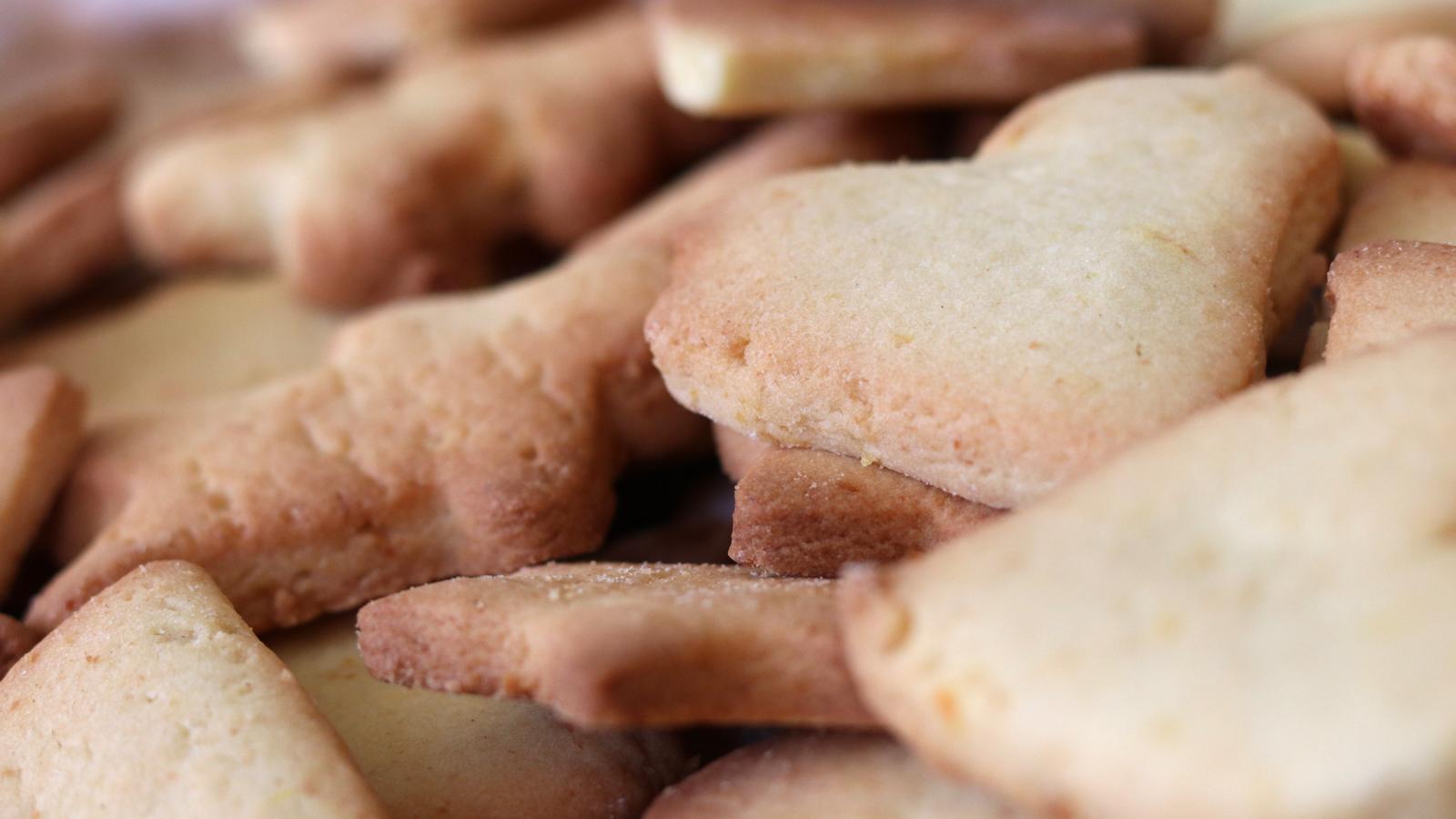
PalmaMaking crespells is one of the most deeply rooted traditions of Holy Week in Mallorca. Beyond the recipe, it is also a shared moment: floured hands, molds of various shapes, and children starting in the kitchen almost as if it were a game.
Below you have a homemade recipe for crespells, clear and easy, with all the steps and tips so that they turn out well the first time.
Ingredients (for a large batch)
- 1 kg of flour
- 400 g of lard
- 400 g of sugar
- 8 egg yolks
- 1 cup of olive oil
- 1/2 cup orange juice
- Zest of an orange
- Lemon zest
- 1 pinch of vanilla sugar (or ground cinnamon)
Step-by-step preparation
In a bowl, mix the thyme, sugar, zest, vanilla, oil and orange juice. Work it with your hands until the thyme is well integrated.Add the egg yolks and mix well until you obtain a homogeneous paste.Gradually add the flour until the dough no longer sticks to your hands. It is important not to overdo it.Roll out the pasta with a rolling pin on a lightly floured surface. It should be of medium thickness.With molds of different shapes, cut the dough and place the fritters on a baking sheet.Bake them at 180 ºC for about 20 minutes, until golden brown.Let them cool and store them in an airtight container. They keep for weeks.Tips for making them turn out well
- Don't make the dough too thin, because it can break.
- Add the flour little by little to prevent it from becoming tough.
- Knead the scraps again to use all the dough.
- Making them with various molds makes them more fun, especially with children.
Common errors
- Add all the flour at once.
- Stretch the dough the pasta.
- Remove the crespells from the oven too soon or leave them in too long
A sweet with history
Crespells have been part of the Mallorcan recipe book for centuries and are one of the great protagonists of Easter Week. Although the origin is not entirely clear, various theories link them to Jewish tradition or to similar medieval European recipes.
Be that as it may, today they remain very much alive in the island's kitchens, with recipes that are passed down from generation to generation and that turn the kitchen into a space for family gatherings.
To better understand the history and tradition of this sweet, you can consult this article.

