Sweet closings
We explain to you how to prepare small cakes at home

PalmaThe kitchen filled with a white light, as if flour had taken the place of light.
On the table, the ingredients would soon take the form of small boxes where desires were kept that only the palate could discover. The smell of lard mixed with the aroma of freshly opened jams. Then we would stretch the dough to then rejoin the scraps that had been left over in a repetitive and continuous exercise. By the smell from the oven, we knew it was time to take them out and let them cool before gluttony won us over.
Easter gastronomy will recover ingredients that had been limited by Lent, such as animal fats, eggs, and meat. A large part of the preparations from this time of year are box-shaped or filled pasta, such as panades, formatjades, and rubiols, a characteristic that allows them to be preserved, transported, and shared easily. One of Mallorca's most unique sweets, characteristic of Easter celebrations, is the formatjada de Pollença. It is a sweet piece of dough in the shape of a flower, about 20 centimeters in diameter, made with lard, sugar, oil, water, flour, and egg, and is usually filled with jam, especially quince, angel's hair, apricot, or brossat. It often features stripe decorations that highlight the petals. Its origin is unclear, and it is believed to have arrived in Pollença during the conquest by Jaume I. The formatjada is directly related to the crespell, a sweet that has been documented since 1424 because it was part of the bakery products manufactured by the island's bakers. Another close relative of the Pollença formatjada would be the Menorcan pastisset, despite notable differences.
Distinctive of Menorca
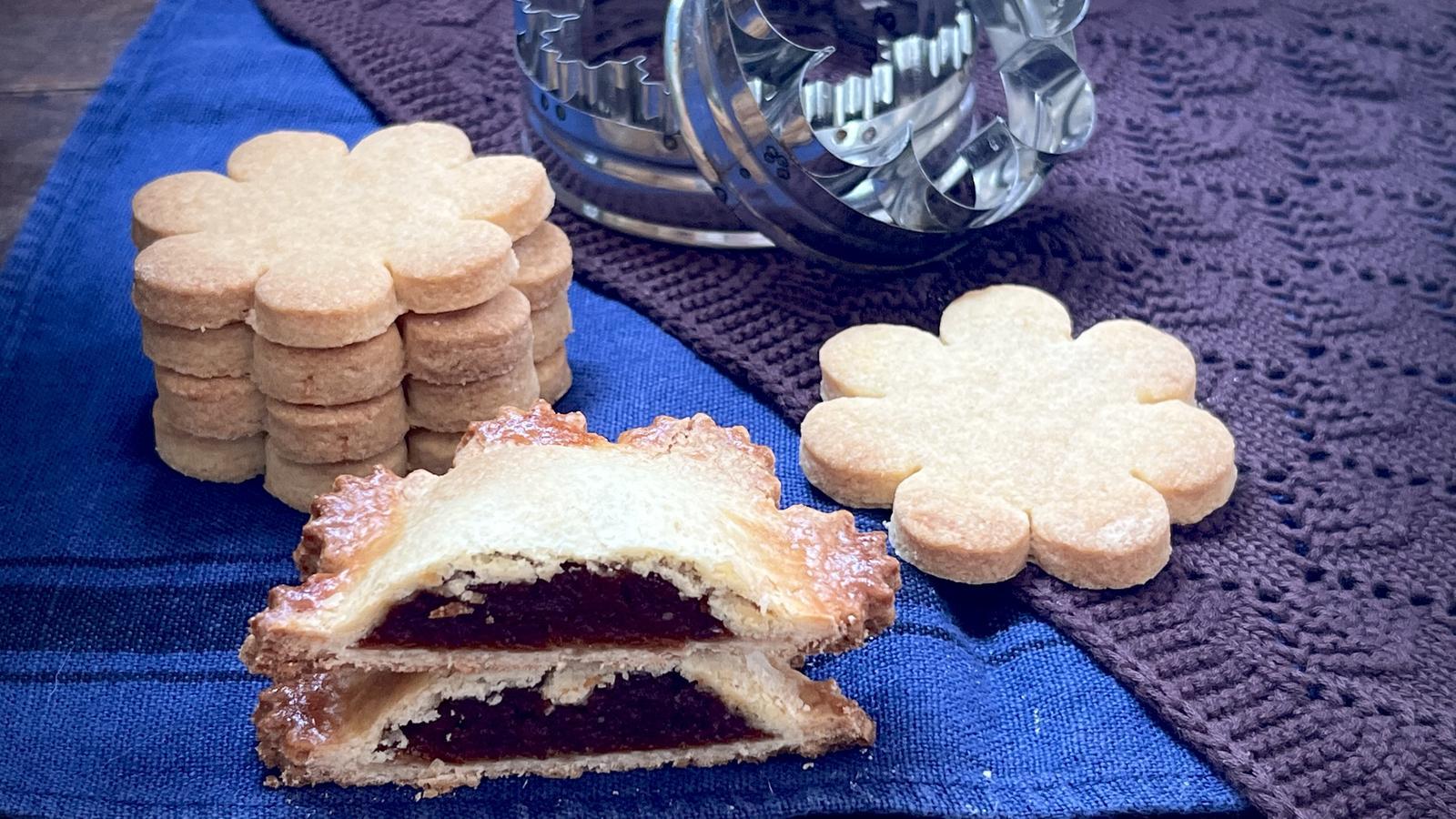
Pastissets are the most distinctive dry sweet pastries on the island. They are shaped like a flower or rosette that can have five, six, and seven petals (it seems the oldest ones had nine). It is speculated that they have Sephardic roots transformed by Christian culture. Originally they were made with eggs, sugar, flour, and cow's lard; a fat that was replaced over time by pork lard. Their texture is dense and slightly sandy because not many liquid ingredients are involved in their preparation, unlike the formatjada. In the filled version, they are filled with angel hair jam, quince paste, or pumpkin. The pastisset is not related to Easter festivities; they are not tied to a single specific festival, but traditionally appear at various important moments of the calendar such as Christmas, Carnival, Sant Antoni, and Sant Joan festivals, as well as weddings and other family celebrations. It was also customary for families to celebrate the formalization of an engagement by serving pastissets, filled or empty, accompanied by sweet wine to toast the newlyweds.
The recipes we can find in Menorcan recipe books are almost similar, only the proportion of one ingredient or another varies. Pedro Ballester collects three variants of the pastisset in De re Cibaria : plain or empty, with preserve or full, and the sweet pie, which is made with the same ingredients as the previous one, but only the shape changes, larger. In this case, a cake mould will be lined with a sheet of pastry, filled with jam (preferably apricot, according to Ballester) and covered with strips of pastry forming a lattice and a band around it.
For today's recipe, I have adapted the pastissets that Àngels Arguimbau passed on to me and to which I want to dedicate the article. In my case, I added a little sweet wine to moisten the pastry.
We will mix the lard with the egg yolks, the grated lemon zest, the sweet wine, and the sugar. Once we have a homogeneous cream, we will add the flour. We will roll out the dough we obtain and, with a mold, we will cut out the shapes we desire. Once we are finished, we will join the scraps and repeat the same operation until we have used up all the dough.If we want to make filled pastissets, we will roll out a part of the dough. It should be thin. We will place a spoonful of jam on top and cover it with another thin sheet of dough. We will press it with our fingers and cut it with the mold. We will place the pastissets in a baking tray and bake them at 160 degrees for about 10-15 minutes, or until we see that they have taken on color. We will let them cool and dust them with powdered sugar before serving.
l 500 g of flour l 250 g of sugar l 250 g of lard l 4 egg yolks l 1 grated lemon l 40 ml of sweet wine l jaml powdered sugar
