A trip of going and returning
We explain to you how to prepare these traditional desserts

-
CAT -
CAST -
DE
PalmaRice was already known in the Mediterranean in the times of classical antiquity, but it did not become a relatively common food in much of Europe until the Middle Ages. The Greeks became aware of it following the expeditions of Alexander the Great to India (327-325 BC), while the Romans also incorporated it, in a limited way, into their food culture. During the first centuries of our era, it arrived in Rome through the trade networks that connected the Mediterranean with the East, especially via the Red Sea and Egypt routes. It was an exotic and relatively expensive product, used mainly for medicinal purposes and in some culinary preparations, rather than as a popular staple cereal.
From the 8th century onwards, Islamic expansion contributed decisively to spreading rice cultivation across different Mediterranean territories, especially the Iberian Peninsula and Sicily. In al-Andalus, the cereal found favorable conditions in wetlands and territories with irrigation systems. By the 10th century, there are already documentary references to its cultivation, and Andalusian agronomic treatises from the 11th and 12th centuries describe the techniques for sowing, irrigation, and harvesting.
Menjar blanc
In medieval cuisine, it was used both in meat dishes and in sweet preparations and others of a medicinal nature. Its incorporation into European gastronomy coincided with the circulation of other oriental products, such as sugar and spices. This tradition of cereals cooked with milk and sweetened includes the muhallabia, an aromatized and thickened milk cream, which shares with rice pudding the same family of preparations, although we cannot consider it the direct origin. This same gastronomic family includes the menjar blanc, documented in the Llibre de Sent Soví, from the 14th century. The medieval recipe incorporated rice flour, almond milk, sugar, and shredded chicken breast. We can also relate other dishes to it where the base is formed thanks to a cereal and milk, such as "ordiat" and "avenat", where barley or oats, respectively, were boiled with almond milk, minced or strained with a cloth, and sweetened with sugar.
In Mallorca, rice pudding is documented in the 18th century in the recipe book of Friar Jaume Martí Oliver. Its presence in a good number of the pamphlets attributed to or derived from this religious figure's collection suggests that it was a well-known and recurring preparation. Simple to make, it did not require very expensive ingredients and could be flavored with the same spices used in other sweets. The recipe mentions that the resulting paste could also be used to make fritters if eggs were added.
Surprisingly, rice pudding disappears from later recipe books. Perhaps its simplicity made it unnecessary to transcribe the formula, or perhaps it simply stopped being prepared, as happened with so many other dishes that faded from culinary memory. Over time, however, this preparation would return to our kitchens, not so much through the continuity of a local tradition as through the incorporation of recipes arriving from elsewhere, especially from the Iberian Peninsula, where rice pudding has maintained a much deeper-rooted presence. Thus, a sweet that had been part of our gastronomic repertoire in the 18th century has ended up returning via a different path, hand-in-hand with other culinary customs.
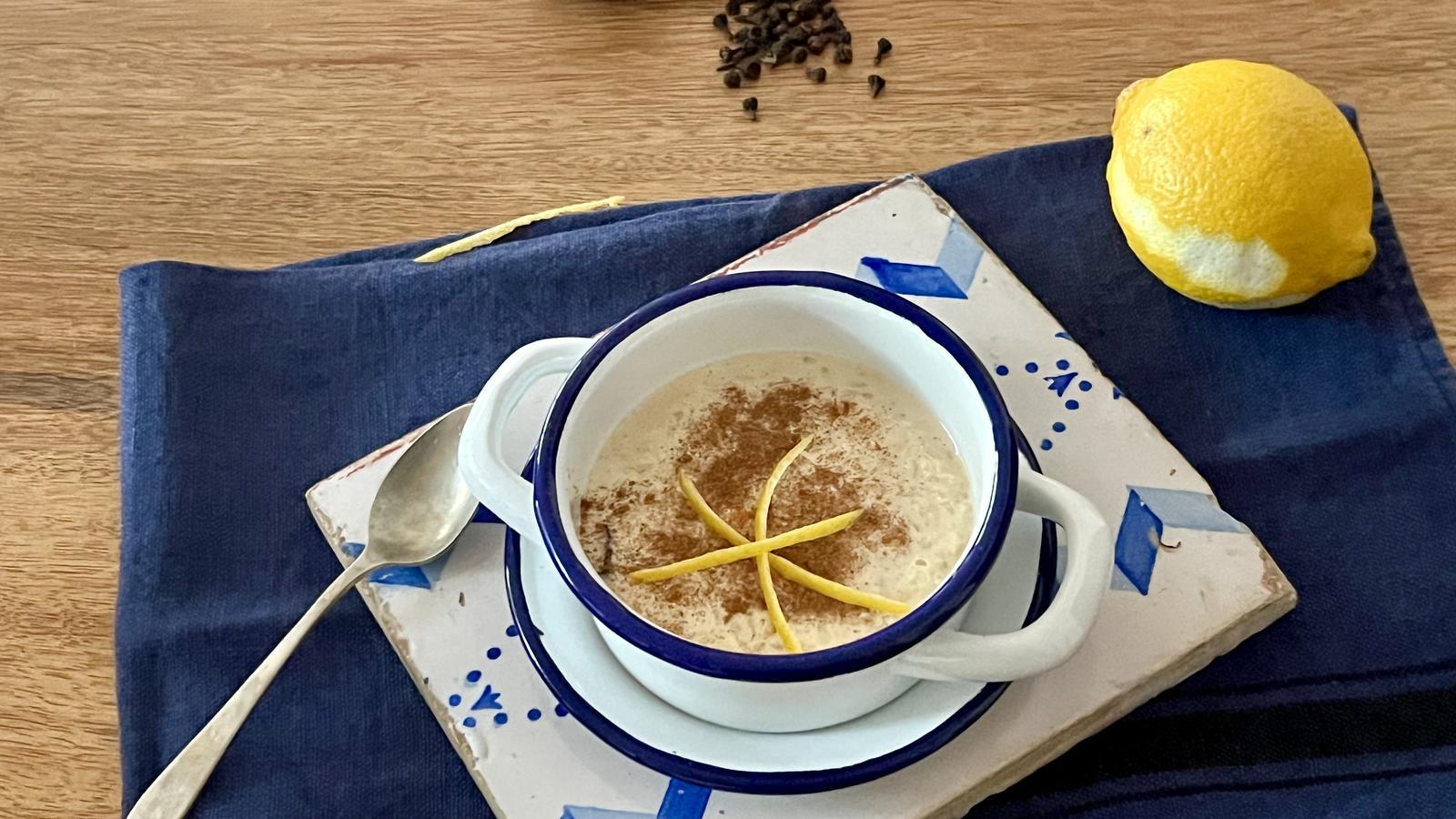
We will put the milk on the heat with all the flavorings. It is important that the fruit peel has no white part at all. When the milk boils, we will add the sugar and the rice. We will lower the heat and let it boil until it is cooked. From time to time we will stir the contents of the pot so that the rice releases its starch. A thick cream should result. We will add milk in small doses if we consider it necessary.
l 1 l of milk
l 100 g rice
l 70 g sugar
l lemon peel
l orange peel
l 1 cinnamon stick
l Cinnamon flower (optional)
l vanilla (optional)
