Tickets for benefactors and guests
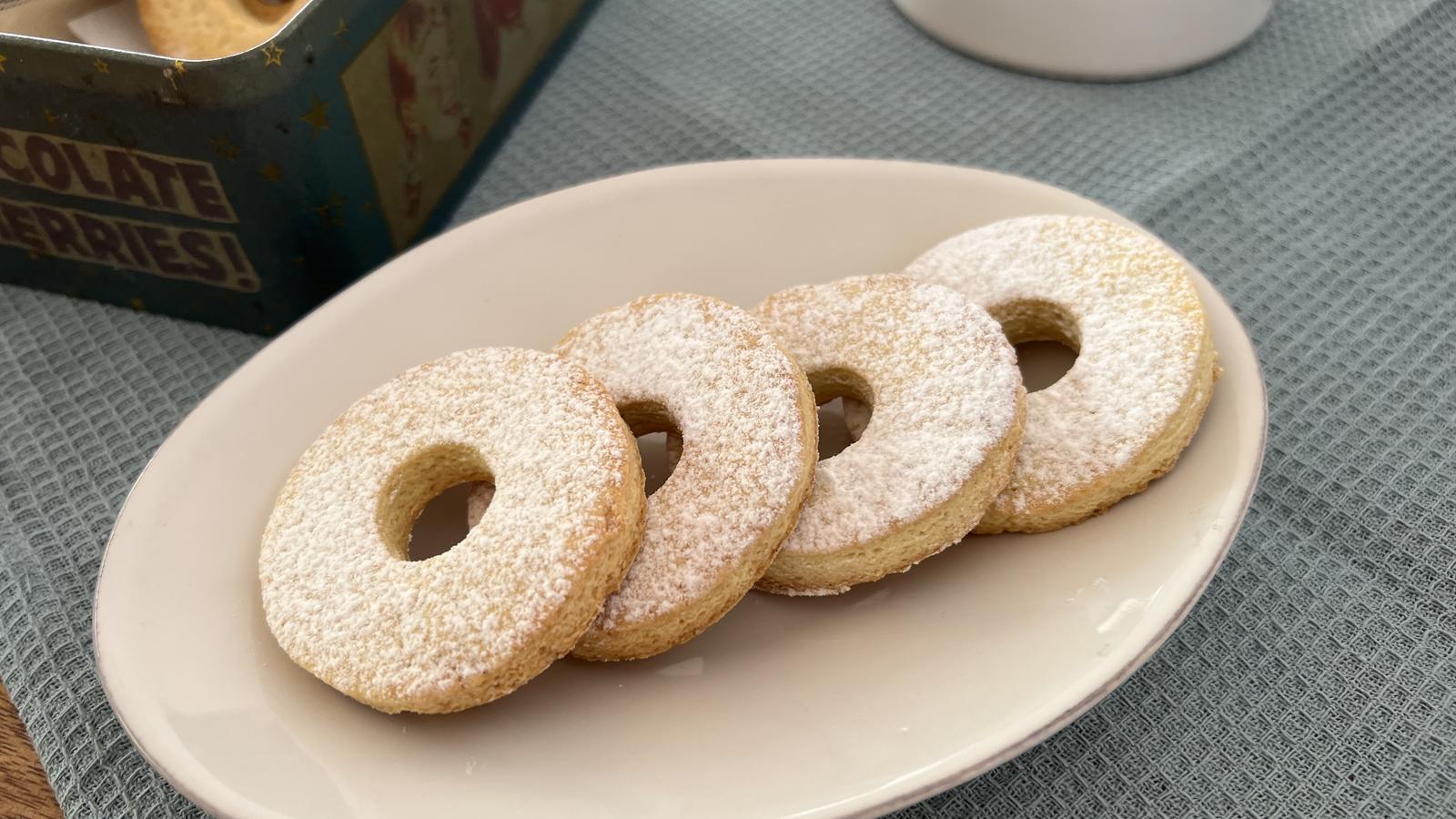
We explain how to prepare nun's doughnuts at home

PalmaDoughnuts constitute one of the most widespread types of traditional pastry within the peninsular sphere. This fried dough, generally in the shape of a ring or a closed horseshoe, made with flour, fat, eggs, and some flavorings, refers to a much older origin, to preparations of doughs fried in oil, often sweetened with honey or sugar, already documented in the classical world and which later developed in medieval cuisine.
The rosquilla in the Balearic Islands was introduced and consolidated through the convents of enclosure in Palma, Maó, and Ciutadella during the 17th and 18th centuries. However, this introduction acquired its own characteristics that differentiate it from the rest. While in many Hispanic regions fried versions predominated, in our islands, the oven-baked rosquilla was mainly developed. On the other hand, its preparation responded to a dual functionality: on one hand, they were sweets that allowed for prolonged preservation and, on the other, they became a gift intended for benefactors, visitors, and families linked to the convents.
In the 18th century, the assimilation of these pastries into Mallorcan gastronomy must have already been fully effective, as suggested by their presence in various documentary sources from the era. On August 20, 1886, the lawyer Joaquim Fiol i Estada wrote in his diary about the exchange he made with his cousin, Mr. Bartomeu Ripoll (Lord of Bàlitx d’Avall, Doctor of Civil and Canonical Law), to whom he gave six sweets (of sponge cake), six rostilles (rosquillas), and six esses in exchange for six young partridges and a small jar of apples that the other gave him. The variant rostilla, from the effect of roasting, would indicate the type of cooking of the pastry. Another text where it is mentioned and should be noted is the Manuscrit D, from Can Vivot, a collection of recipes from the first half of the 19th century which constitutes a version of fra Jaume Martí Oliver's recipe book. It is a sweet made with flour, eggs, and sugar, kneaded with the help of lukewarm water. Due to the low fat content, we can assume that they were hard-textured pastries. They contrast with the saboyard rosquillas from the Receptari Llabrés (19th century), which are much more attractive and tastier than the previous ones because lard is added and they are flavored with anise. Once the shape is made, they will be decorated with a glaze of egg white and powdered sugar, before being baked.
In the case of Menorca, the history of 'rosquilles' (ring cakes/biscuits) presents a significant peculiarity, as until relatively recent times there does not seem to have been a clear distinction between them and 'galetes' (biscuits/cookies). The same preparation could be designated indistinctly according to the context, size, or function. The word 'galeta' could encompass any dry dough baked in the oven. For Pedro Ballester in De re Cibaria (1923) the difference would be that 'galetes' would resemble bread more and 'rosquilles', on the other hand, would have a very thin shape.
Table pastries
Over time, the influence of social practices linked to the consumption of tea and chocolate, especially among the well-to-do classes of Menorca in the 18th and 19th centuries, contributed to consolidating table pastries where rosquillas acquired a more recognizable presence, although often without completely abandoning their generic identification with biscuits. At the snacks of the nobility and wealthy households, the sweets and delicacies offered acted as elements of representation and distinction, and their abundance and quality reflected the resources and positioning of the host family.
For today's recipe, I have started with the nun's rosquillas from the recipe book Cocina señorial de Menorca. El recetario de los Salort de Ciutadella (1860-1917), by Bep Al·lès. These are very simple pastries that I have made with the help of a mold. If you don't have one, you can use a glass and make the hole with a finger.
Cream the butter until soft and add the sugar and eggs. Add the flour and knead until all ingredients are well combined. It is best not to overwork the dough. You can add a little anise if needed.Form a ball and flatten it. Make the doughnuts using a round mold and a smaller one to create the hole in the middle.Place them on a baking sheet and bake at 180 ºC for 15 minutes. Let them cool and serve them dusted with powdered sugar.
l 800 g of flour l 2 eggsl 200 g of sugar l 200 g of butter l powdered sugar l anise (optional)
